Guide
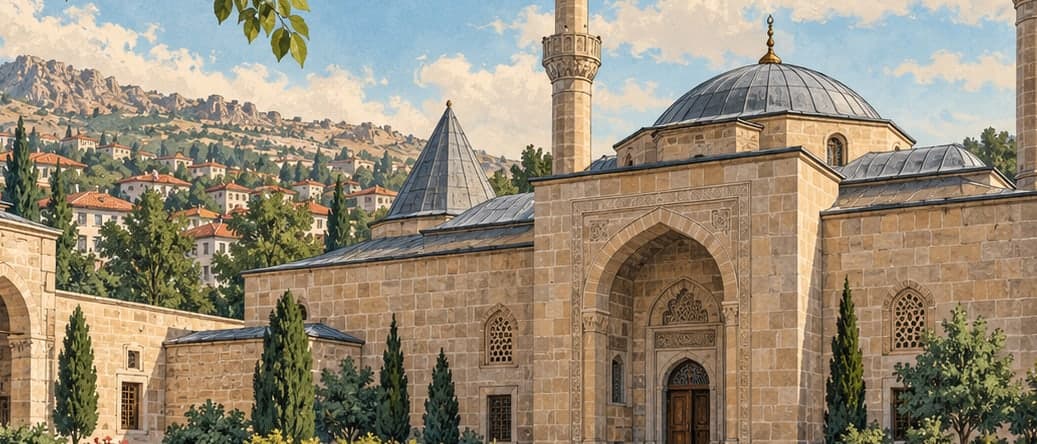
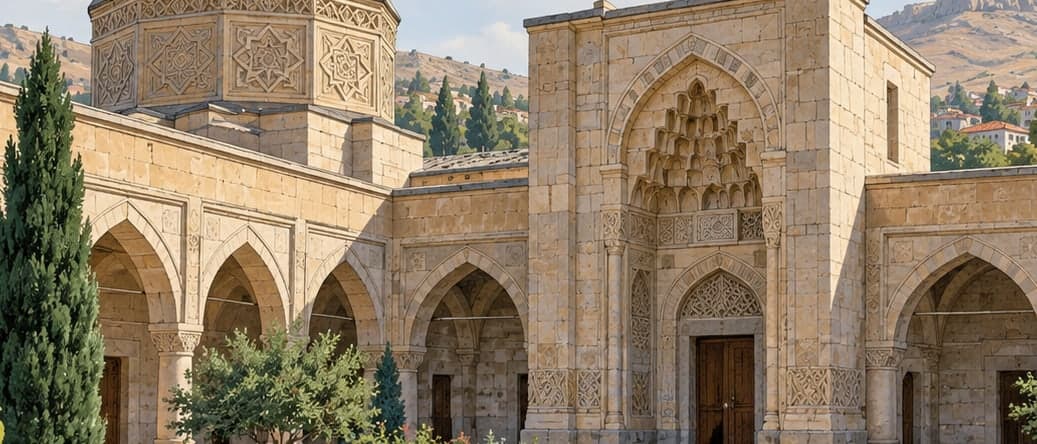
The Kırşehir Museum is a museum of archaeology and ethnography on Ahi Evran Avenue in Kırşehir. It was founded in 1997.
A mosque was used from 1936 to keep ethnographic objects, but no museum was established until 1997, and the excavations at Kaman-Kalehöyük did much to bring that about.
The museum was rebuilt in 2008 through economic and cultural cooperation between the Turkish and Japanese governments and formally opened on 10 July 2010. It keeps and displays a great many of the works uncovered in the Kaman-Kalehöyük excavations.
The two-storey building covers 264 square metres and was part of the Kırşehir culture complex, having served before as an art gallery. It holds two display halls and a store.
The works here run from the Early Copper Age to the present. The ground floor shows archaeological material and coins, and the ethnographic objects are on the upper floor; among them a section is given to Ahî Evran, known as the founder of the Ahi brotherhood in the thirteenth century.
Works from the excavations at Kalehöyük, Yassıhöyük and Büklükale are displayed here. Those excavations were carried out by archaeologists of the Japanese Institute of Anatolian Archaeology, and the collection has now reached about five thousand pieces.
The oldest iron object in the world was recovered at Kaman-Kalehöyük and the evidence for it is displayed in the museum. What may be the oldest glass in the world was also found at Kaman more recently; it is estimated to be 3,600 years old, that is of about 1600 BC.