Guide
Neşet Ertaş was born in Kırşehir in 1938. His father, Muharrem Ertaş, was among the finest masters of the Abdal manner of singing the Avşar and Turkmen bozlak — a kind of long-form melody. One of the most important representatives of the minstrel tradition, Neşet Ertaş recorded close to twenty albums over his life. He carried the Abdal way of playing and singing into a different register and produced a great many works whose words and music were his own.
His technique on the bağlama and his manner of singing türkü and bozlak have been made the subject of theses and studies in universities and conservatories. He received the Grand National Assembly's award for outstanding service in 2006, was declared a Living Human Treasure by the ministry in 2009, and was given an honorary doctorate by the state conservatory of İstanbul Technical University in 2011. He died on 25 September 2012.
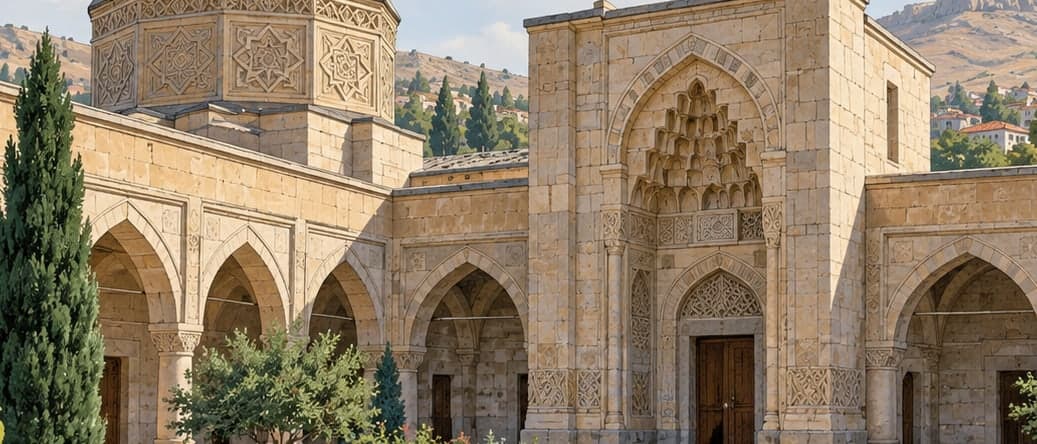
The building that houses the culture house was used as the governor's residence and was restored in his memory. It stands on Atatürk Caddesi in the centre of Kırşehir.
Inside, the minstrels from Dede Korkut down to the present, and the figures who have held a place in people's affections, are introduced in order. Information is given about a great many musical instruments across that span, and their sounds, along with works by the singers, can be heard digitally. Visitors can also listen to a türkü from Neşet Ertaş himself, through a digitally designed statue of the man they called the Plectrum of the Steppe.