Our compilation for Ordu, not an official route, and it moves between the coast and the hills behind it more than once.
One entry is a district rather than a site. Perşembe holds the Cittaslow title, and when the Black Sea motorway opened, the strip of coast it sits on was left aside — which is the point of going: beaches, Hoynat island, the Yasonburnu peninsula and its church.
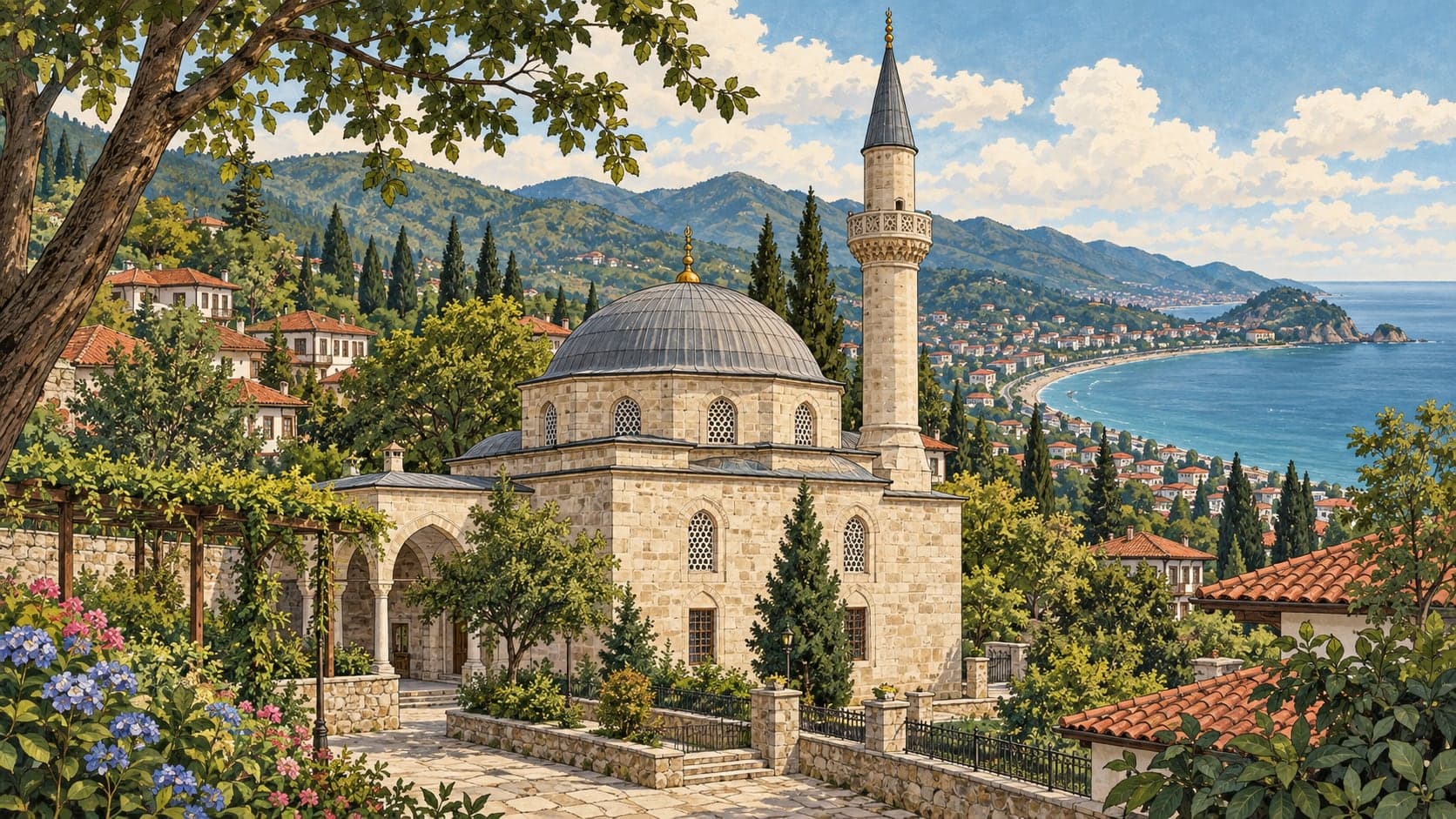
Altınordu, the city, holds two museums in old houses. The Ordu Museum is in an 1896 mansion on the road up to Boztepe, whose stonework the provincial directorate singles out — stone brought from Ünye, timber from Romania, a master builder fetched from İstanbul. The hazelnut museum, in a konak in the same quarter, follows one crop the whole way from planting to transport, with tools collected from people in the surrounding villages. Ünye, west along the coast, has its own museum of living heritage in a nineteenth-century house, and above the town the Asarkaya city forest, good for walking and for birds. Further west still, at İkizce, the Laleli mosque is built entirely of oak and is known as the mosque without nails.
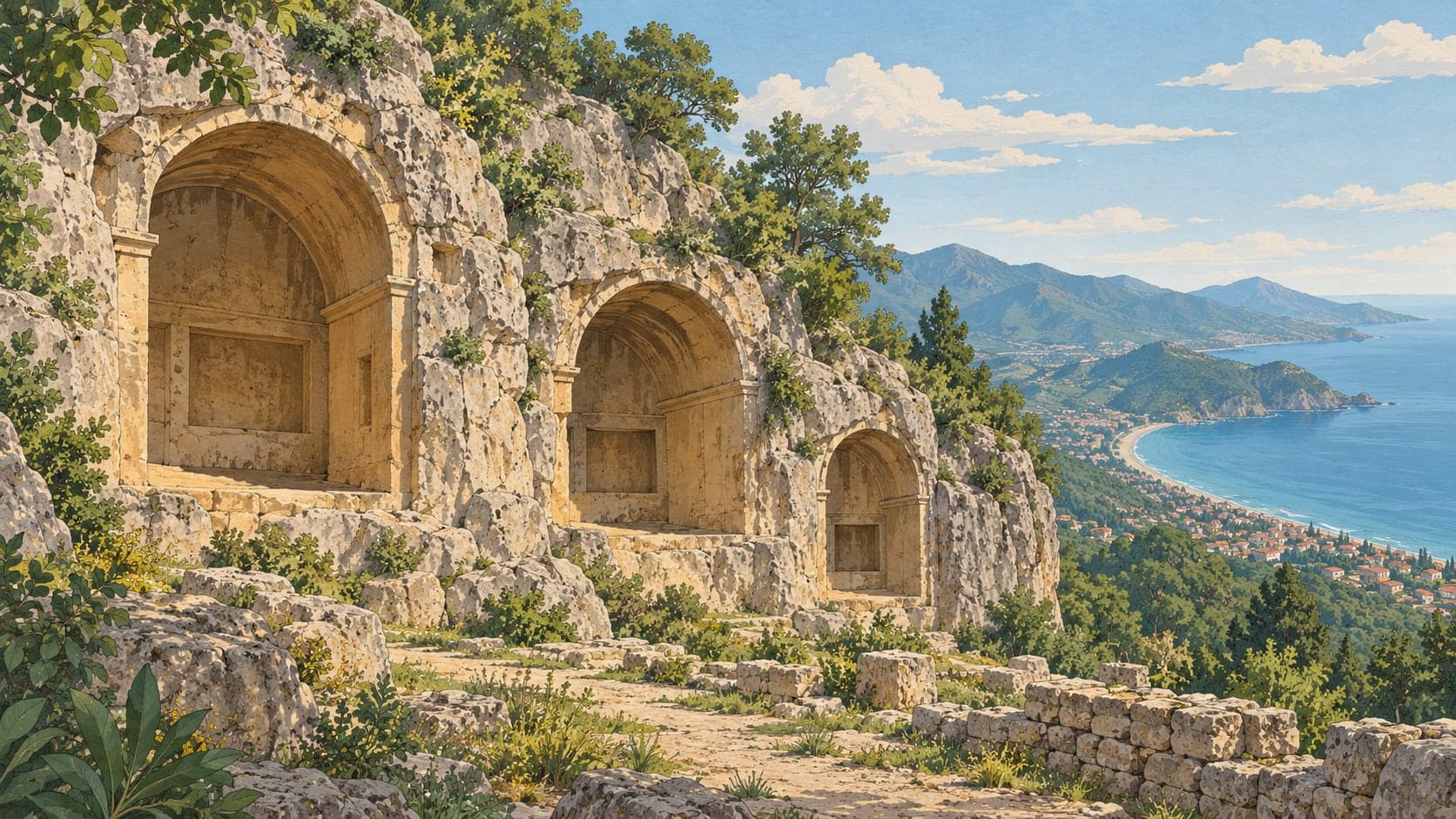
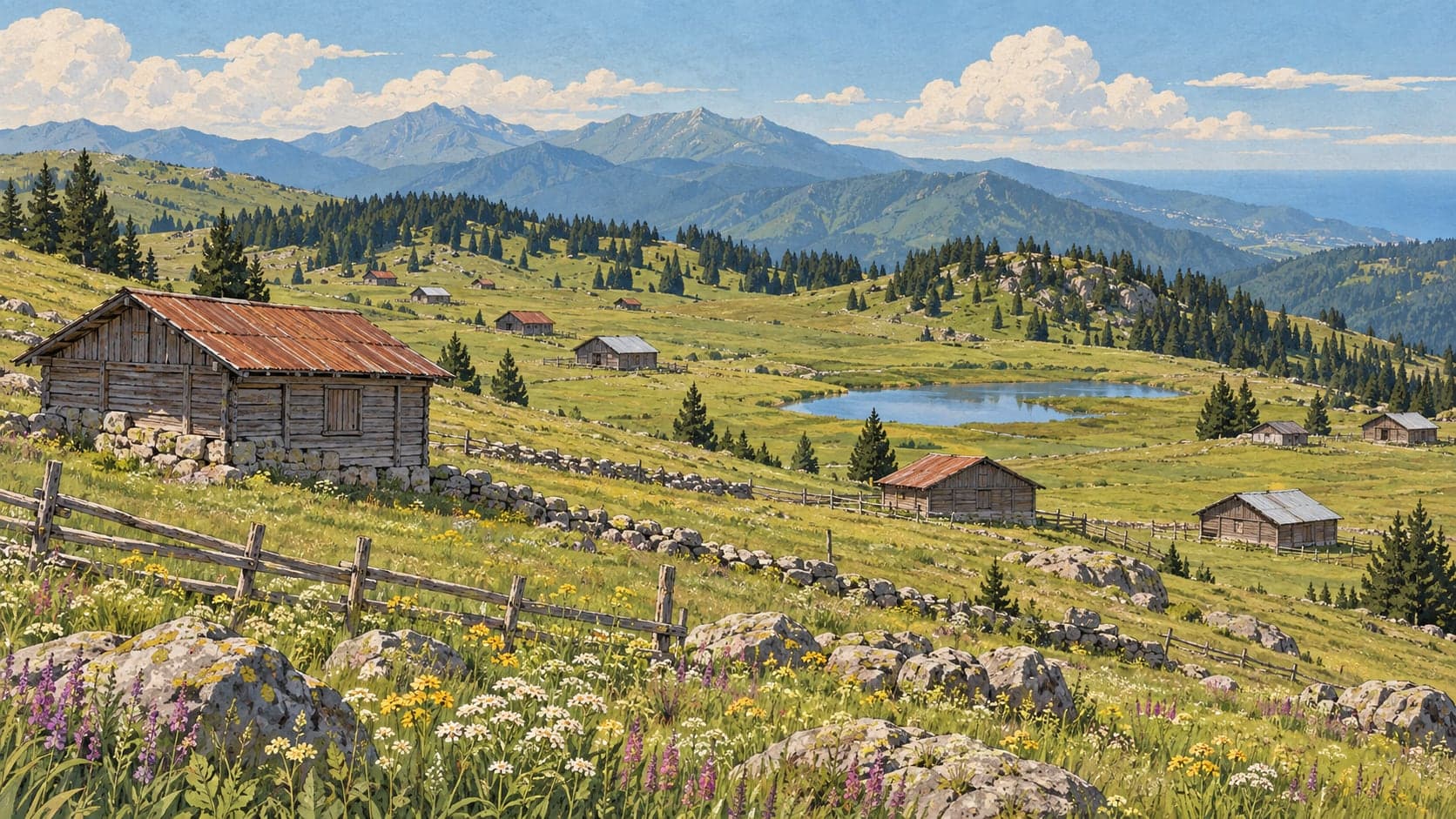
Inland the character changes. The rock tombs at Dikenlice, in Gürgentepe, were each cut into a single rock; Ulugöl, south-west of Gölköy, is mixed broadleaf woodland around a lake its own page says nothing about; and the Yeşilce and Topçam pastures at Mesudiye are high summer pasture country — four yaylas together, a rich flora, and the festival season rather than a single sight. Where our inventory holds no position for a place, the grouping is a shape rather than a schedule. What each place is, and who says so, is on its own page.