Guide
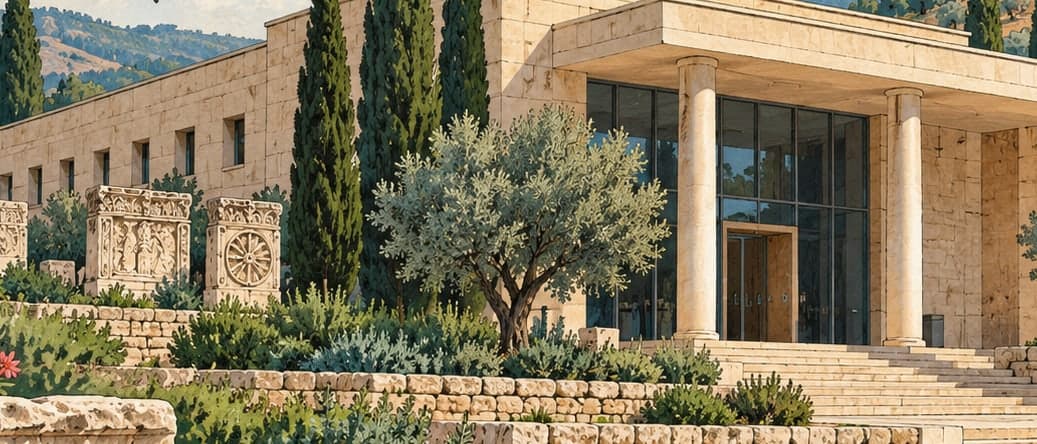
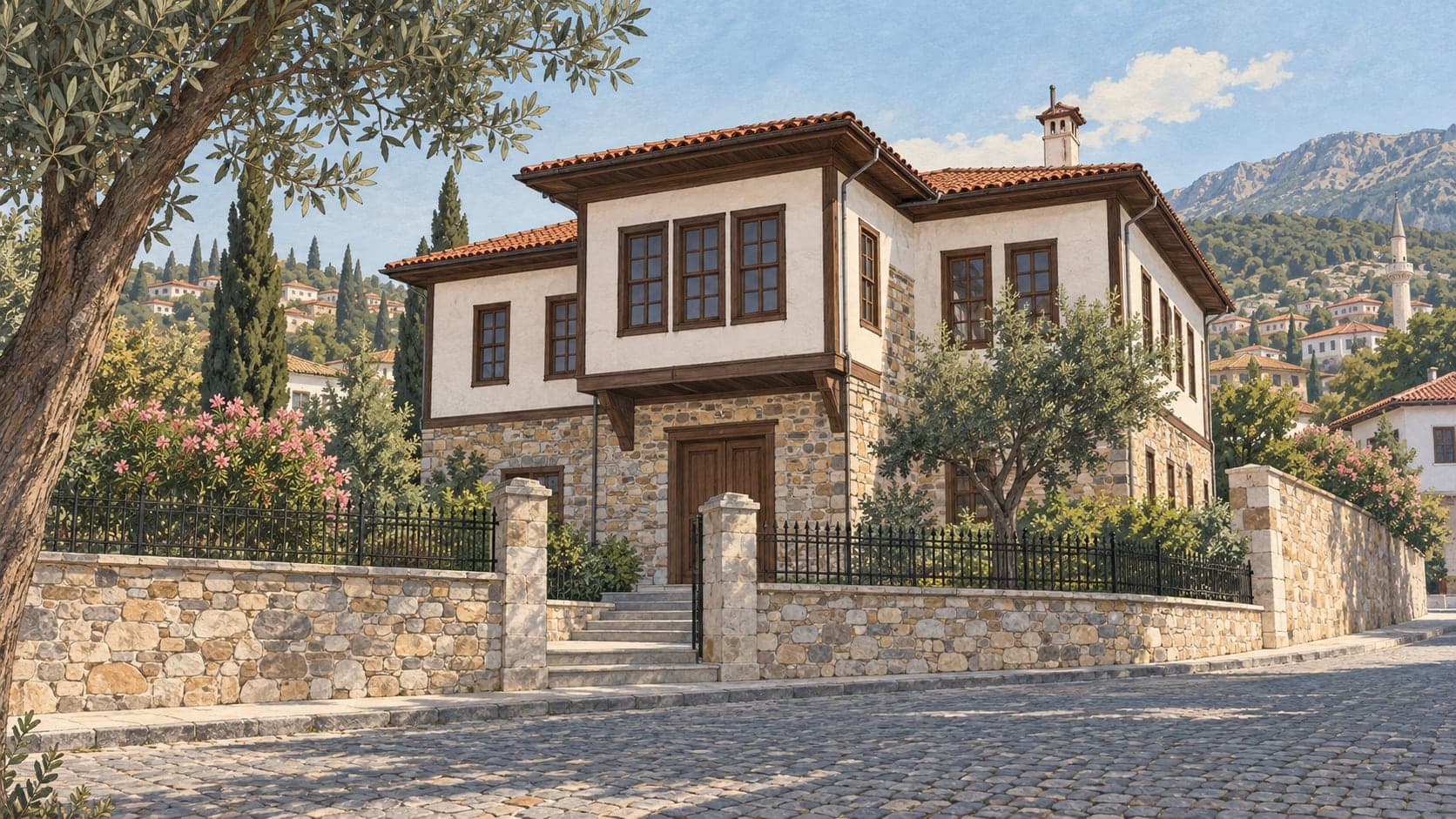
The Karacasu Ethnography Museum stands in the centre of the Karacasu district of Aydın and shows work that tells the social and cultural history of the area. It is attached to the directorate of the Aphrodisias Museum and opened in 2007.
After Karacasu was elected to the union of historic towns in 2005, work carried out jointly by the municipality and the Ministry of Culture led the municipal council to decide on a museum, so that the district might be studied ethnographically, documented and kept alive. A space of 537 square metres in the town centre, belonging to the municipality, was allotted to the ministry's use in 2005.
With the ministry's approval, ethnographic objects were transferred to the new museum from the museum directorates of Tire, İzmir, Burdur and Aydın. Pieces woven in the Karacasu area that the municipality held, and others given by local people, were added to the collection, and the museum opened on 29 June 2007.
The collection holds 622 items from the social and cultural past of Karacasu and its surroundings. Most of them are the products of crafts: leatherwork, weaving, pottery and smithing. About a third are shuttle weavings, used for sashes, covers, shirts, towels, pouches, the three-panelled dress and baggy trousers. Of the collection, 327 pieces are on display and 295 are kept in store, and some of the material is presented on mannequins.
Among the objects shown are Ottoman gravestones, ploughs for horses and oxen, a loom, iron cradles, jewellery of copper and brass, a collar used for collecting alms, a jeweller's scales, a candlestick, handmade wooden prayer beads from a dervish lodge, copper dinner services, hand mills, original state stamps and seals, and a handwritten Quran three hundred years old. Documents and objects keeping the memory of the first years of the republic are also held here.
The museum was closed for a month in 2018 for want of staff before opening again. According to figures from the Turkish Statistical Institute it had 299 visitors that year, which made it one of the least visited museums and sites in Türkiye.