Guide
Aphrodisias is an ancient city dedicated to Aphrodite, goddess of love and beauty, and it takes its name from her. It is known for how well its monumental buildings have survived and counts among the most important archaeological sites in Türkiye. It was inscribed on the UNESCO World Heritage List in 2017.
The city owes its present state to the excavations of the archaeologist Kenan Tevfik Erim between 1961 and 1990. Known in the Roman era for the cult of Aphrodite, it had another distinguishing feature: a school of sculpture built on the rich marble beds nearby.
Its history goes back to an early prehistoric settlement; as a city it was founded in the sixth century BC and began as a small village. The first temple of Aphrodite was built then too. Laid out afresh on a grid in the second century BC, the settlement in time became an important religious centre. In the first century BC it came under the protection of the Roman emperor Augustus and gained the monuments that still stand today. By the late third century AD it was one of the great cities of Rome's province of Caria. From the sixth century it lost its importance, and in the twelfth it was abandoned altogether.
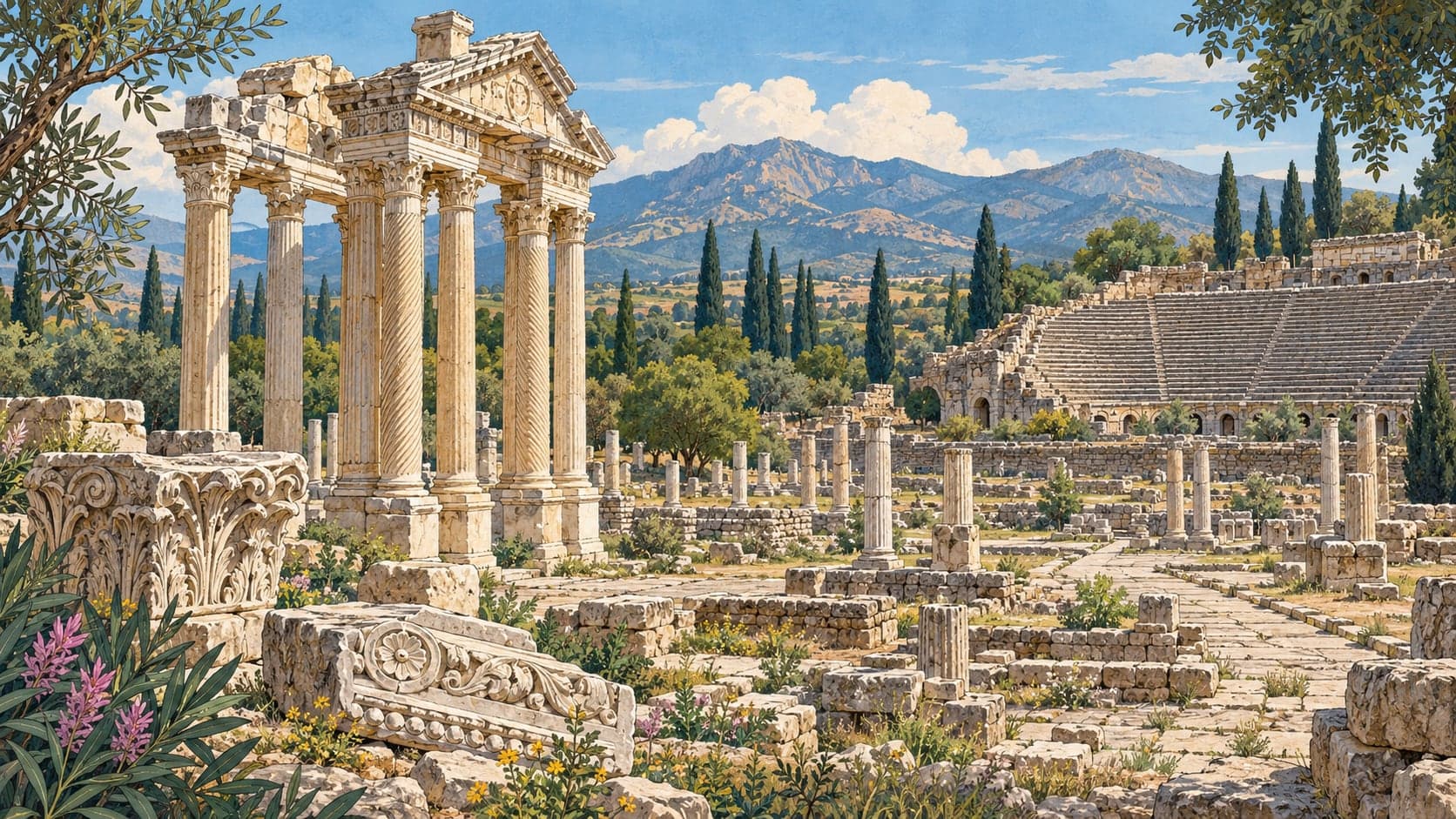
First among the things to see is the best preserved stadium of the ancient world: two hundred and seventy metres long, with seating for thirty thousand around it. The monumental temple gateway is another of the city's celebrated structures. The Temple of Aphrodite, converted into a church in AD 500, keeps its grandeur, and the white marble theatre seating seven thousand is worth the walk.
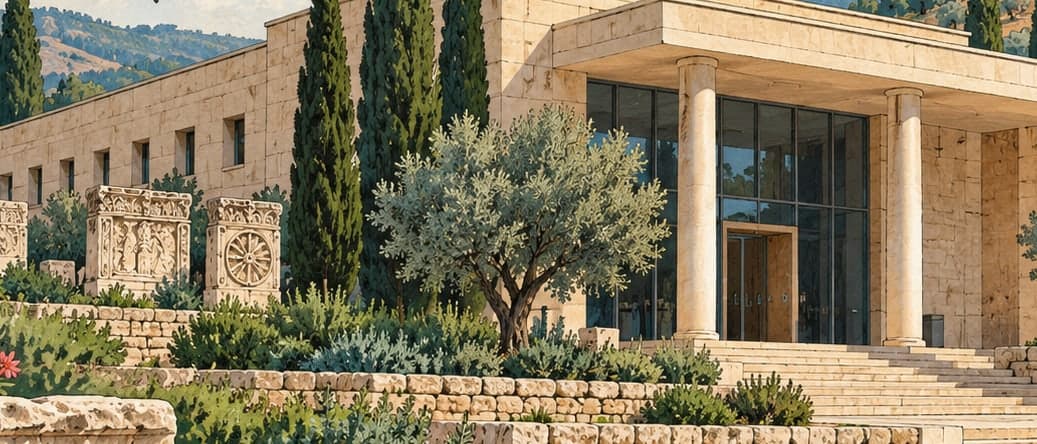
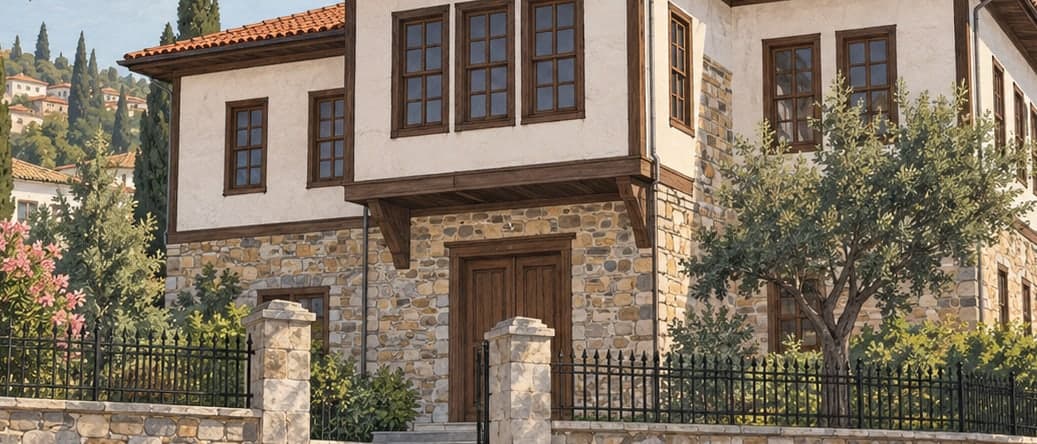
The Aphrodisias Museum stands at the entrance to the site, the two interwoven — a rare arrangement. The finds from the excavations are displayed here. The richest part of the collection consists of the statues, reliefs and sarcophagi of the Aphrodisias school of sculpture, running from the late Hellenistic period to the early Byzantine. Nobody lives any longer in the village of Geyre, cleared during the excavation, but a few surviving houses and the ceramic workshops in the district of Karacasu can still be seen. Nearby, the Sırtlanini Cave close to Karacasu, three hundred and forty-eight metres long and home to colonies of bats, is another stop worth making.