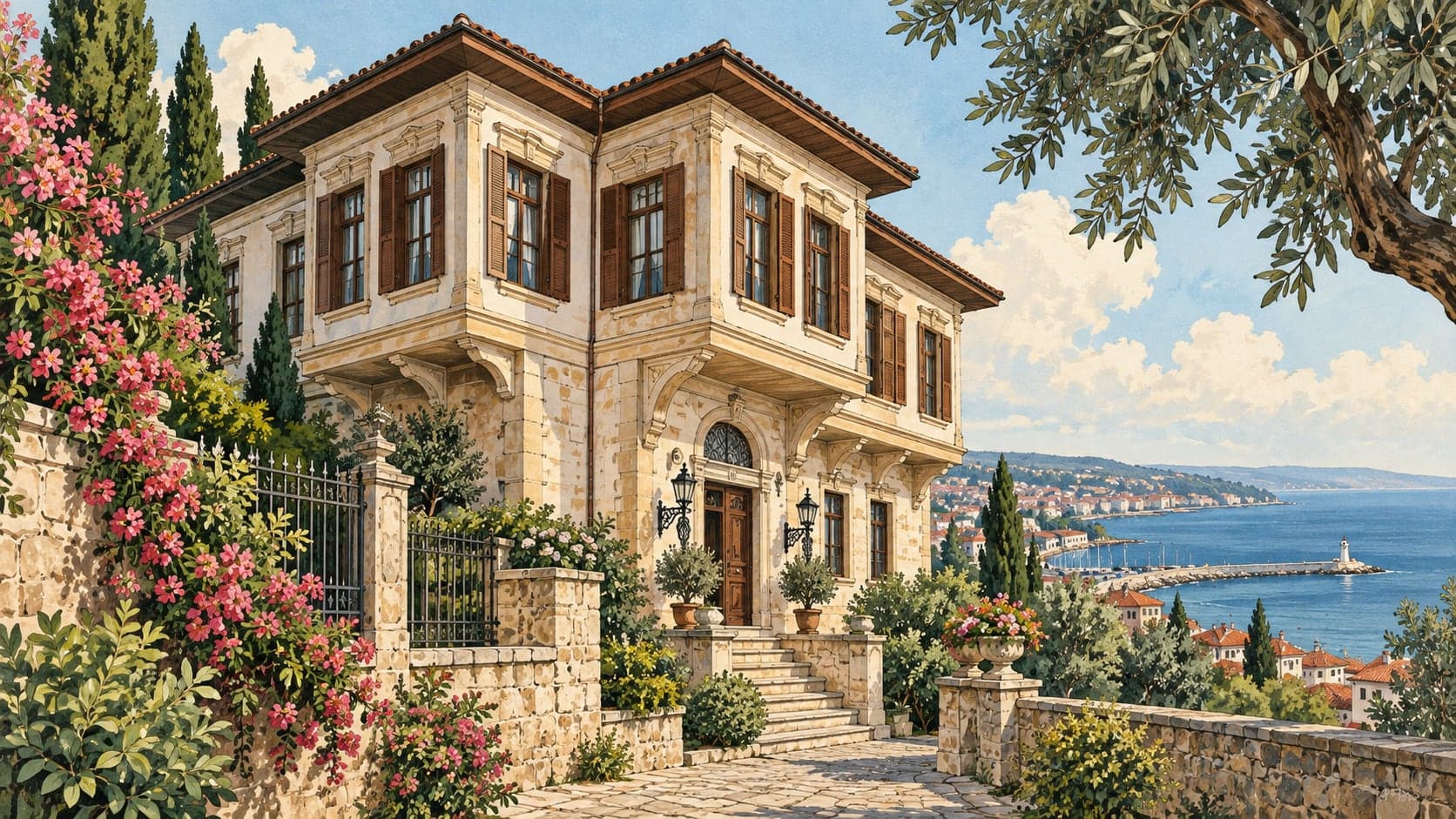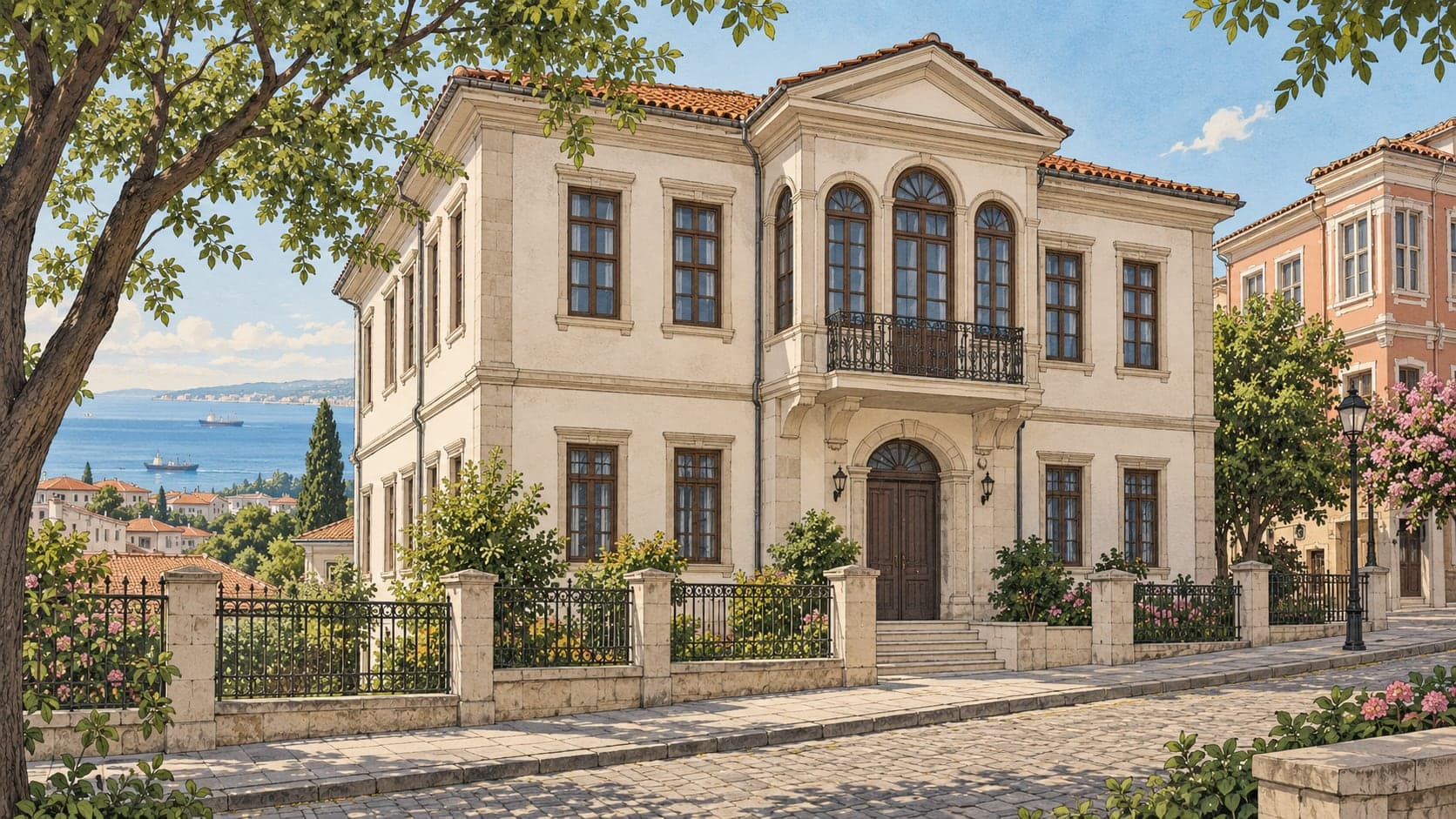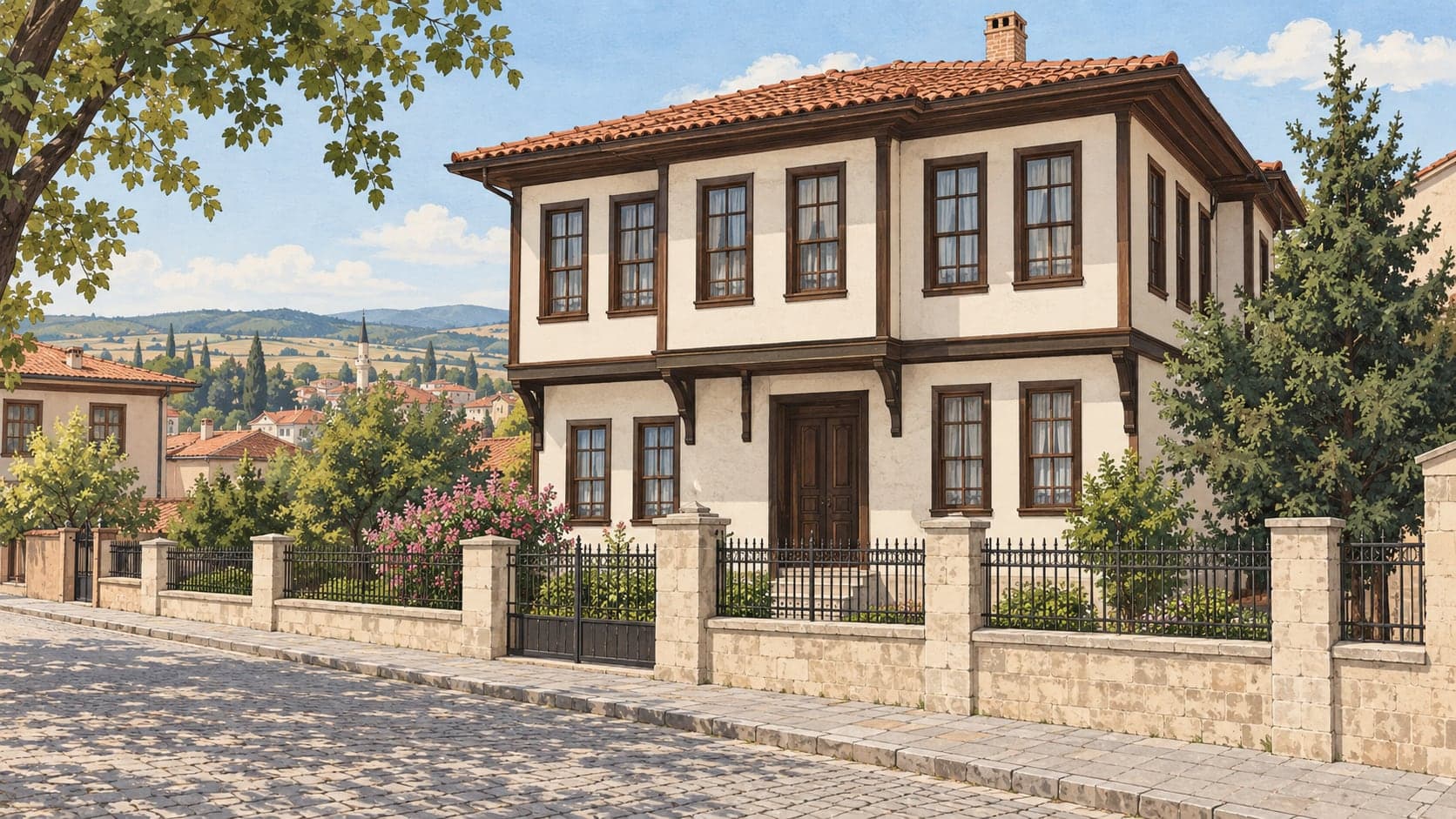
Our compilation for Tekirdağ, not an official route. Süleymanpaşa, the city, holds a pair that stand on the same street and are one stop rather than two. The Italian Mansion was built in 1841 by two brothers of a Genoese family who drew lots for the twin houses they raised; the photograph museum next door exists because of the 1923 population exchange — a family left for Greece, another arrived from Salonica, and a son of the first spent fifty years gathering old pictures of the town.
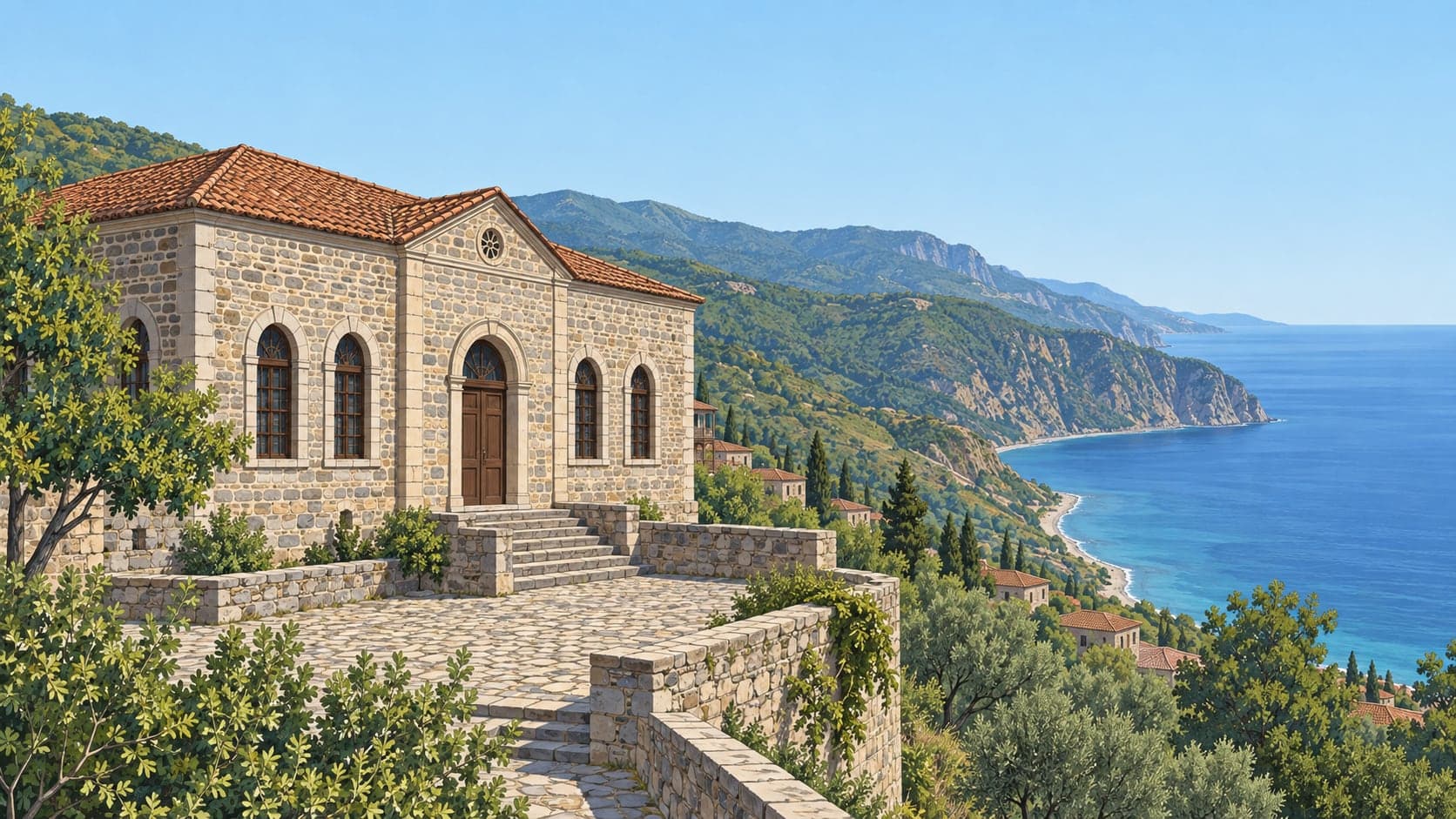
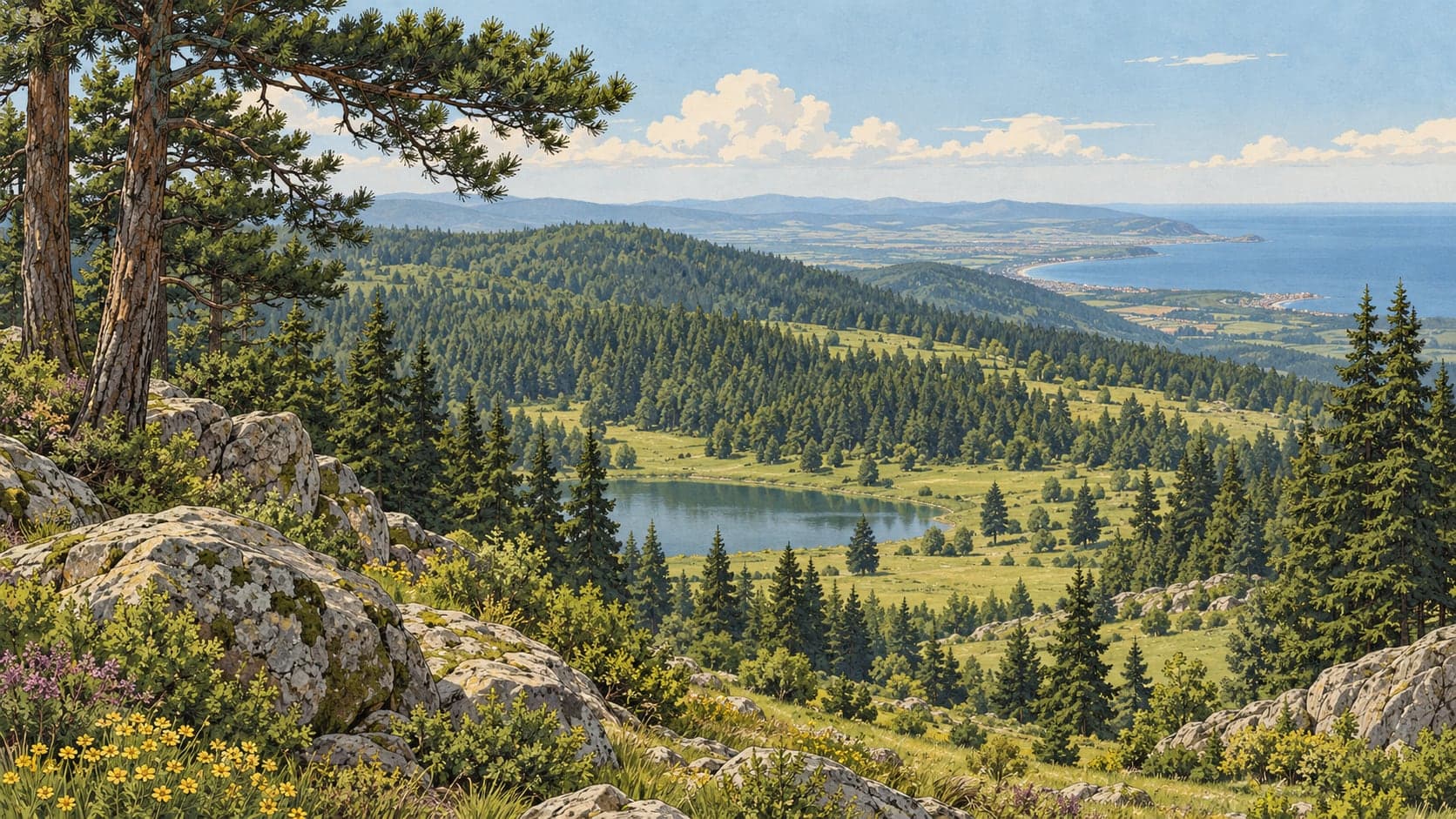
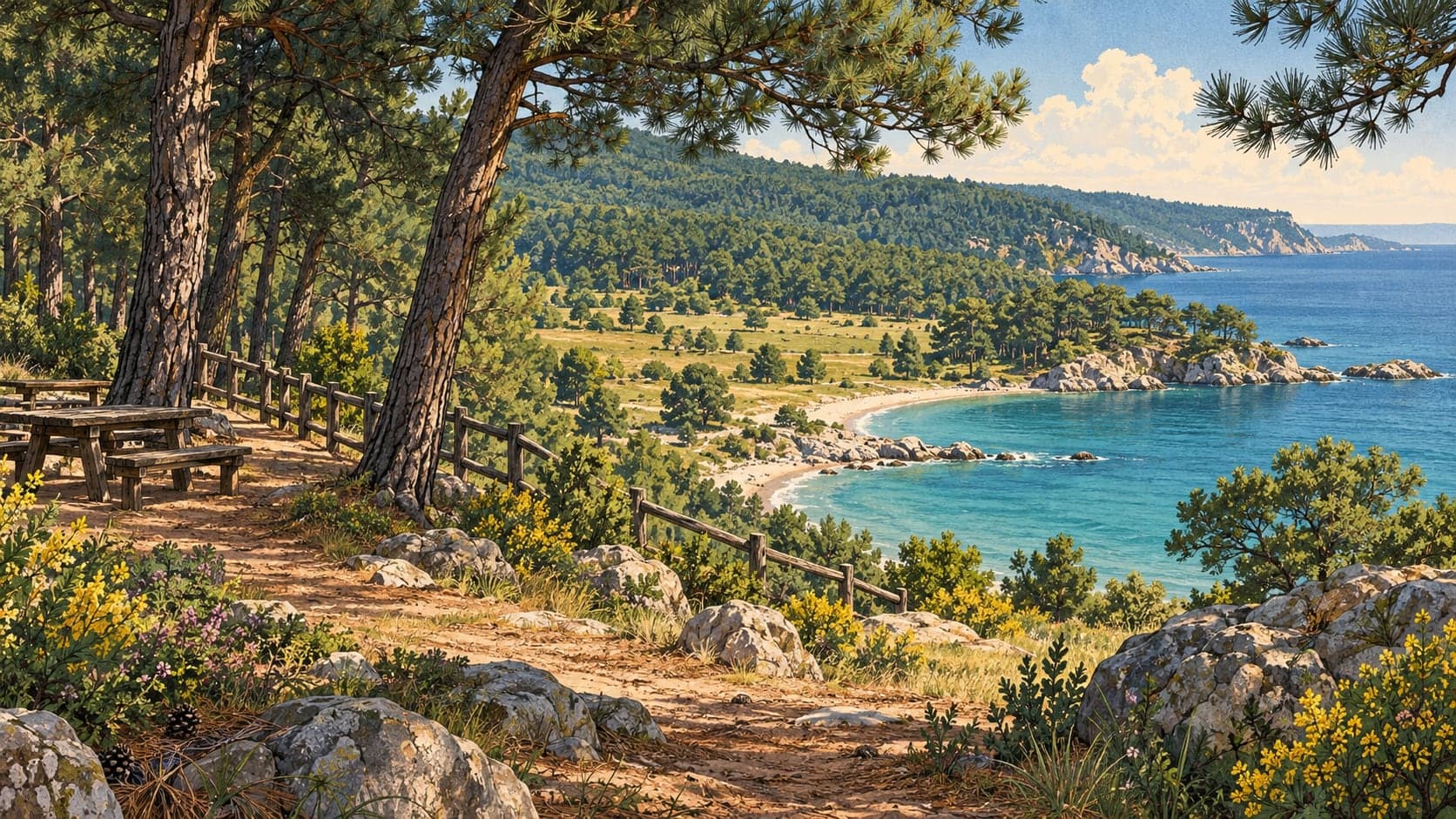
The Marmara shore west of the city is a run of its own. Uçmakdere is an old Greek village in Şarköy that has kept its settlement pattern and its way of living, between the Ganos mountains and the sea, with a launch site on the hill above. Kartaltepe sits high on the same ridge, and the altitude is its point — forest, sea and island in one view, with paragliding flown from it in season.
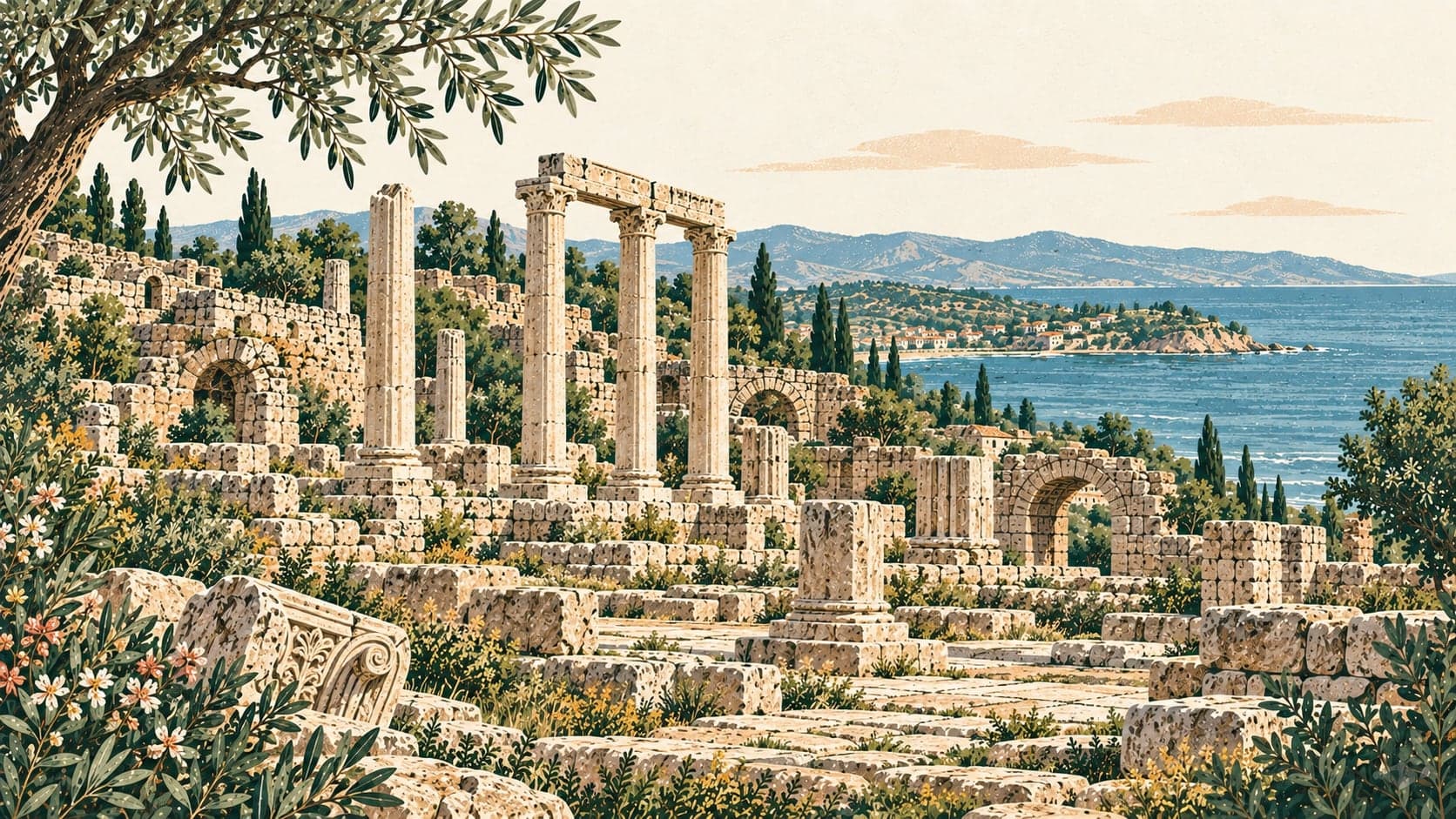
Inland and north, the rest stands apart. Perinthos, founded in the sixth century BC by settlers from Samos, keeps its walls best of all its remains; Diodorus, writing of a siege, said the houses on the acropolis slope looked from a distance like people seated in the rows of a theatre. Muratlı owes its existence to the same exchange as the photograph museum — the town was founded in the mid-1930s to settle Turks arriving from Bulgaria, and Atatürk came to see the migrant housing for himself in 1936. Çamlıkoy, up at Saray, is forest and dune with streams on two sides and the sea on the third.
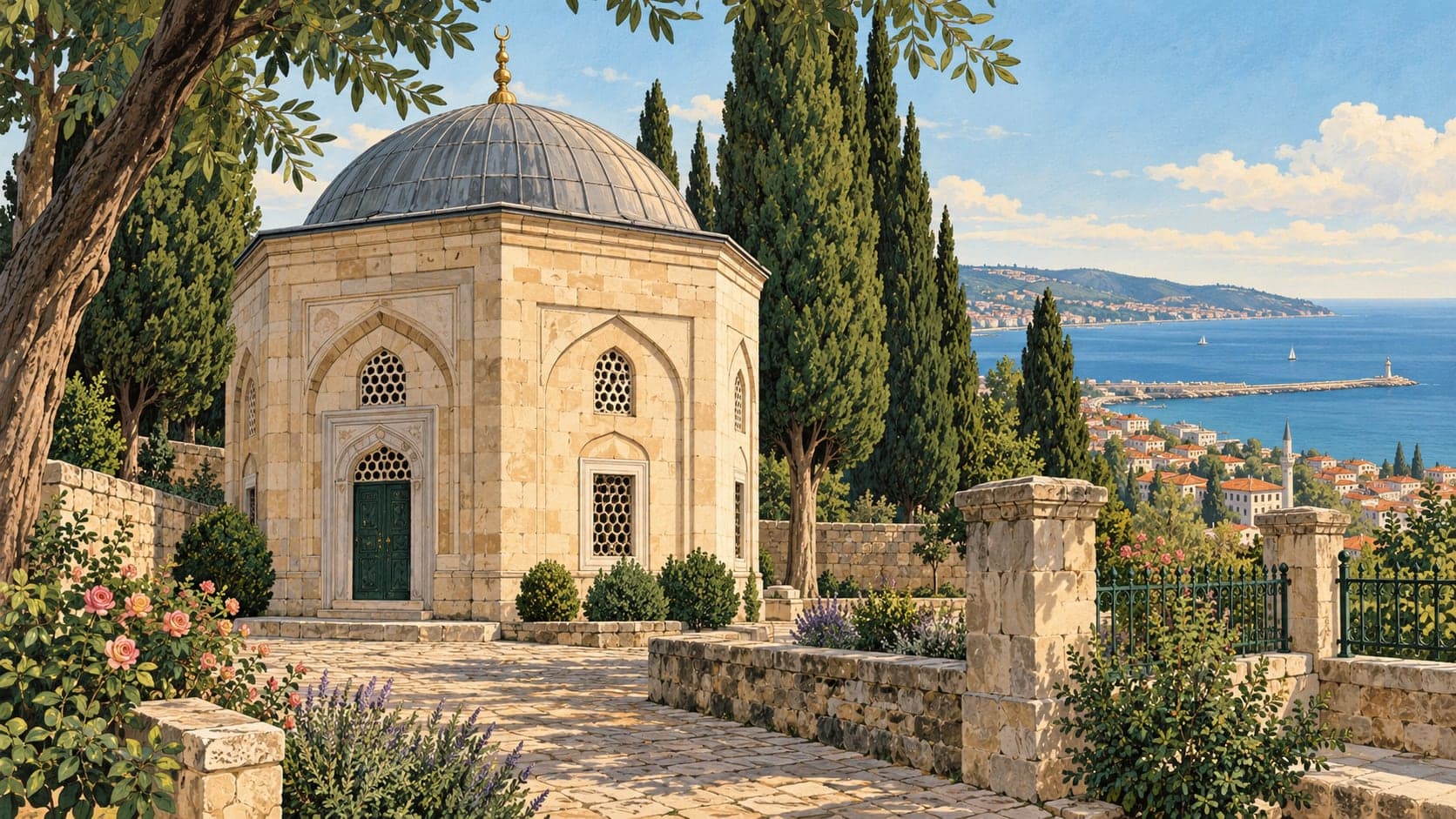
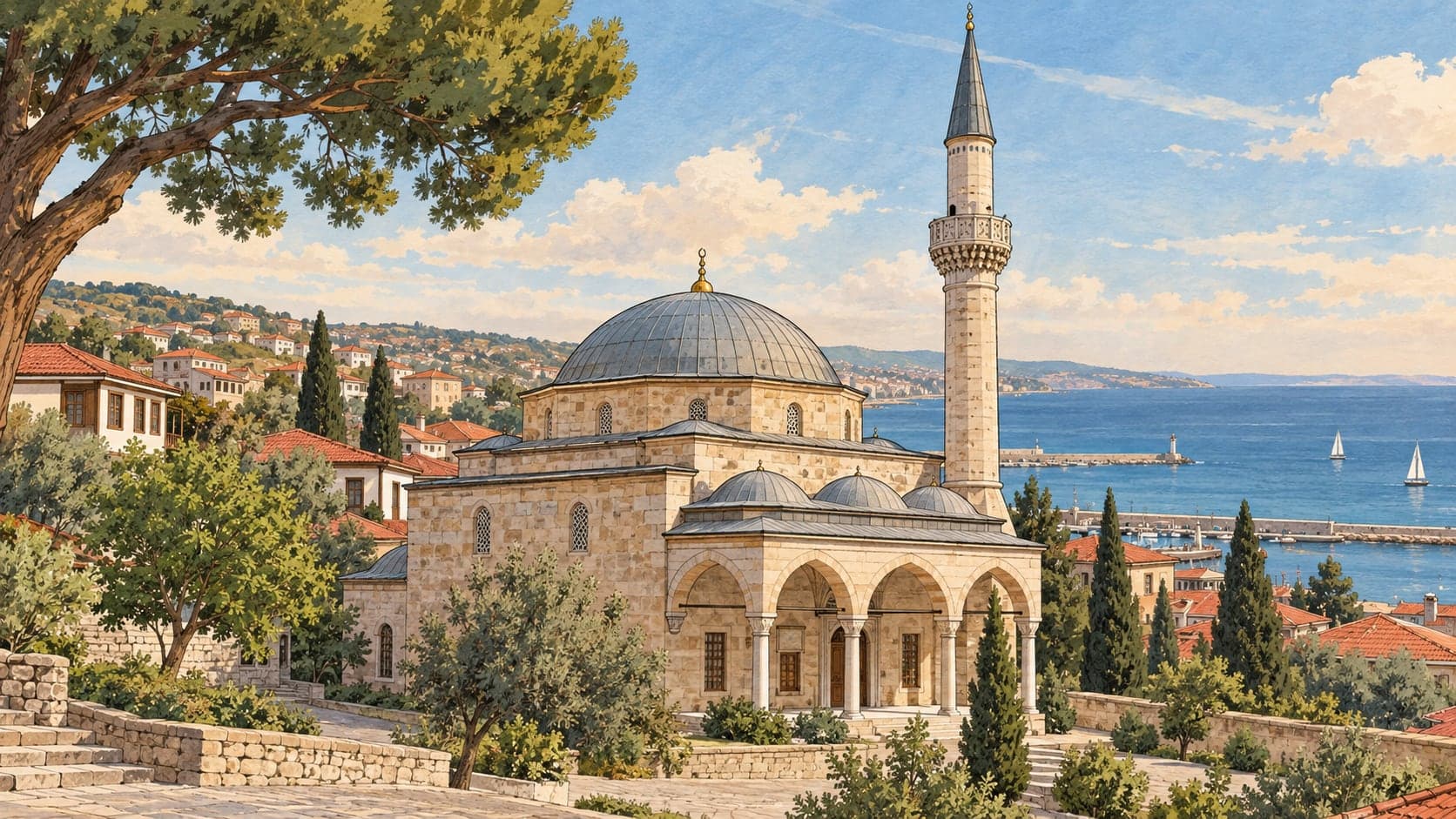
Hayrabolu, in the west, holds the mosque built by Çorumi Mustafa Bey in 1687 — look up at its southern corners for the birdhouses set into the walls — and the tomb of Sârban Ahmed, who served Süleyman the Magnificent as head camel driver before returning home to teach for seventeen years. Our inventory gives these two the same position; we have not merged them, and they are one errand. What each place is, and who says so, is on its own page.