Guide
Perinthos was founded in the sixth century BC by people who came from the island of Samos. It carries first- and third-degree archaeological site status.
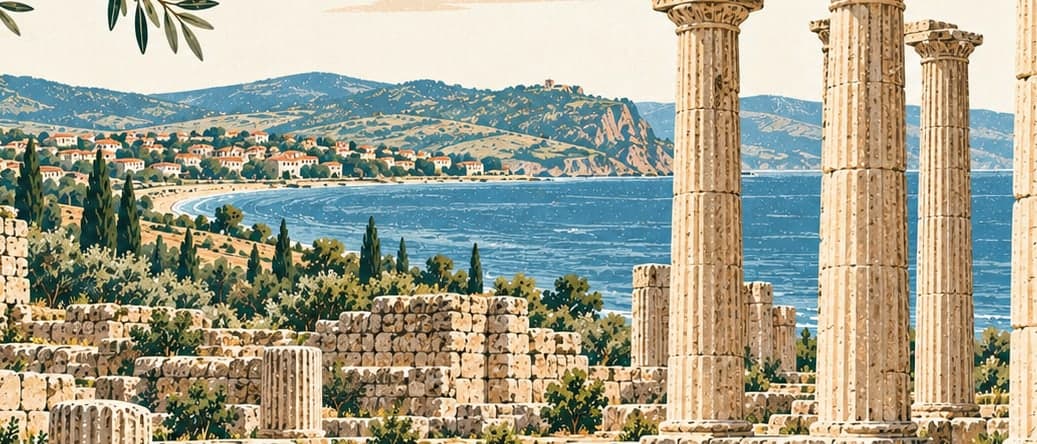
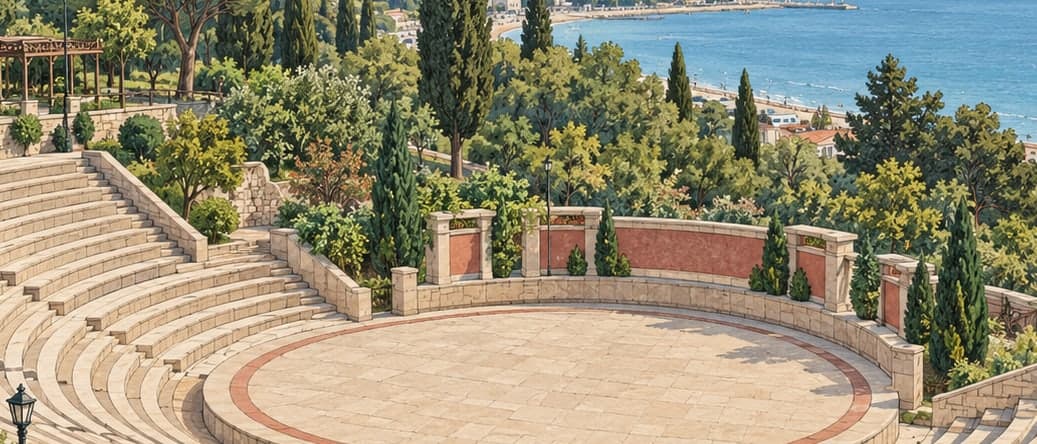
Diodorus, writing of Philip II's siege of Perinthos in the middle of the fourth century BC, says that the houses on the skirts of the acropolis looked from a distance like people sitting in the rows of a theatre.
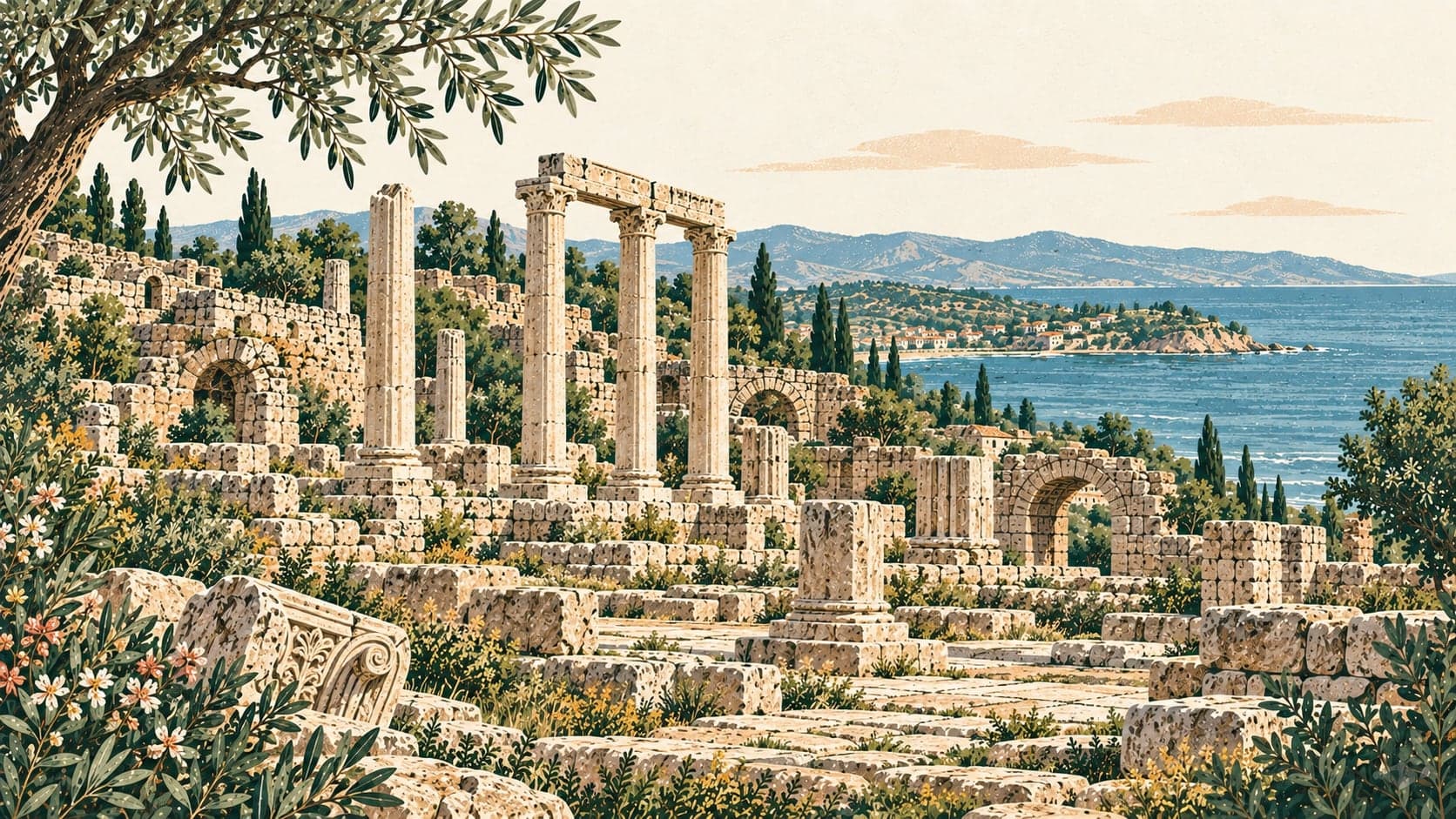
The walls are the monument that has survived in the best condition, enclosing the city from the north and west in two parts, the acropolis wall and the lower city wall. Those at the north-west corner of the acropolis are preserved in places to a height of six or seven metres. The northern lower-city walls in the quarter of Ereğli now called Kalekapı, by contrast, have been destroyed entirely by construction. The sea walls on the north of the peninsula overlooking the harbour survive in part to five metres. What can be seen at Ereğli today dates from the fifth century AD.
The southern slopes of the acropolis are so steep that no wall was thought necessary there; retaining walls were built only on the south-west, to keep the weight of the buildings from moving the ground.