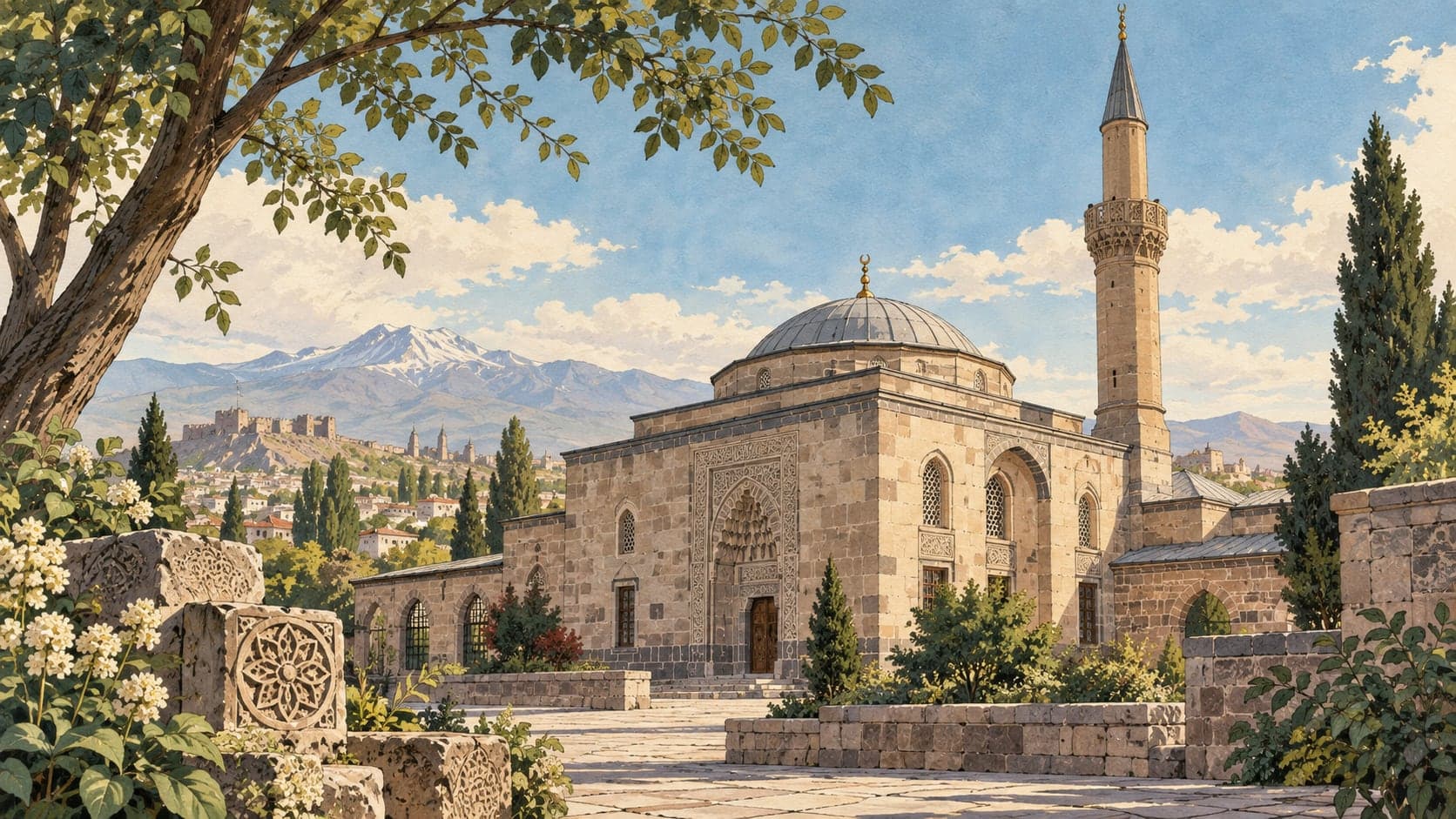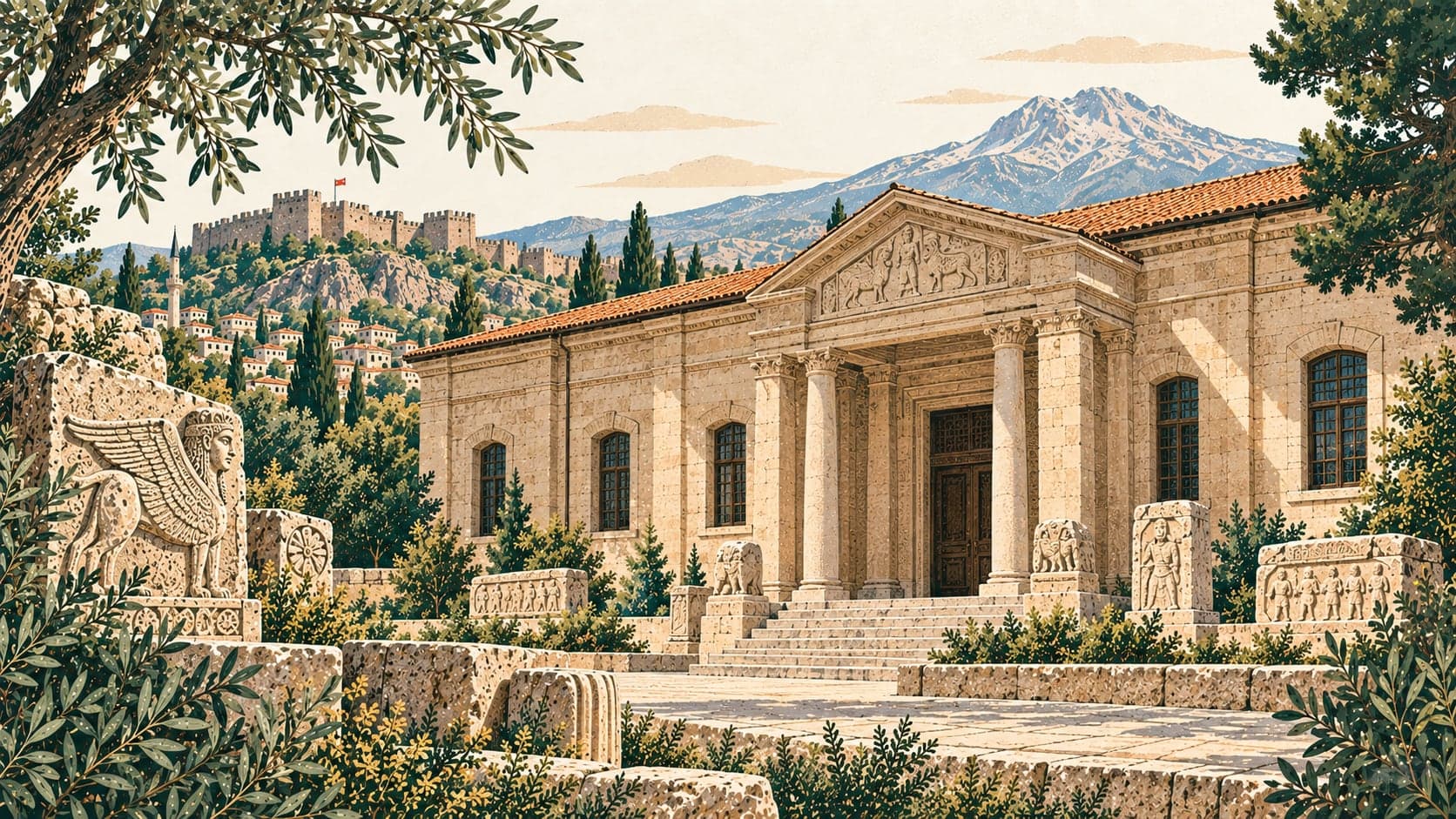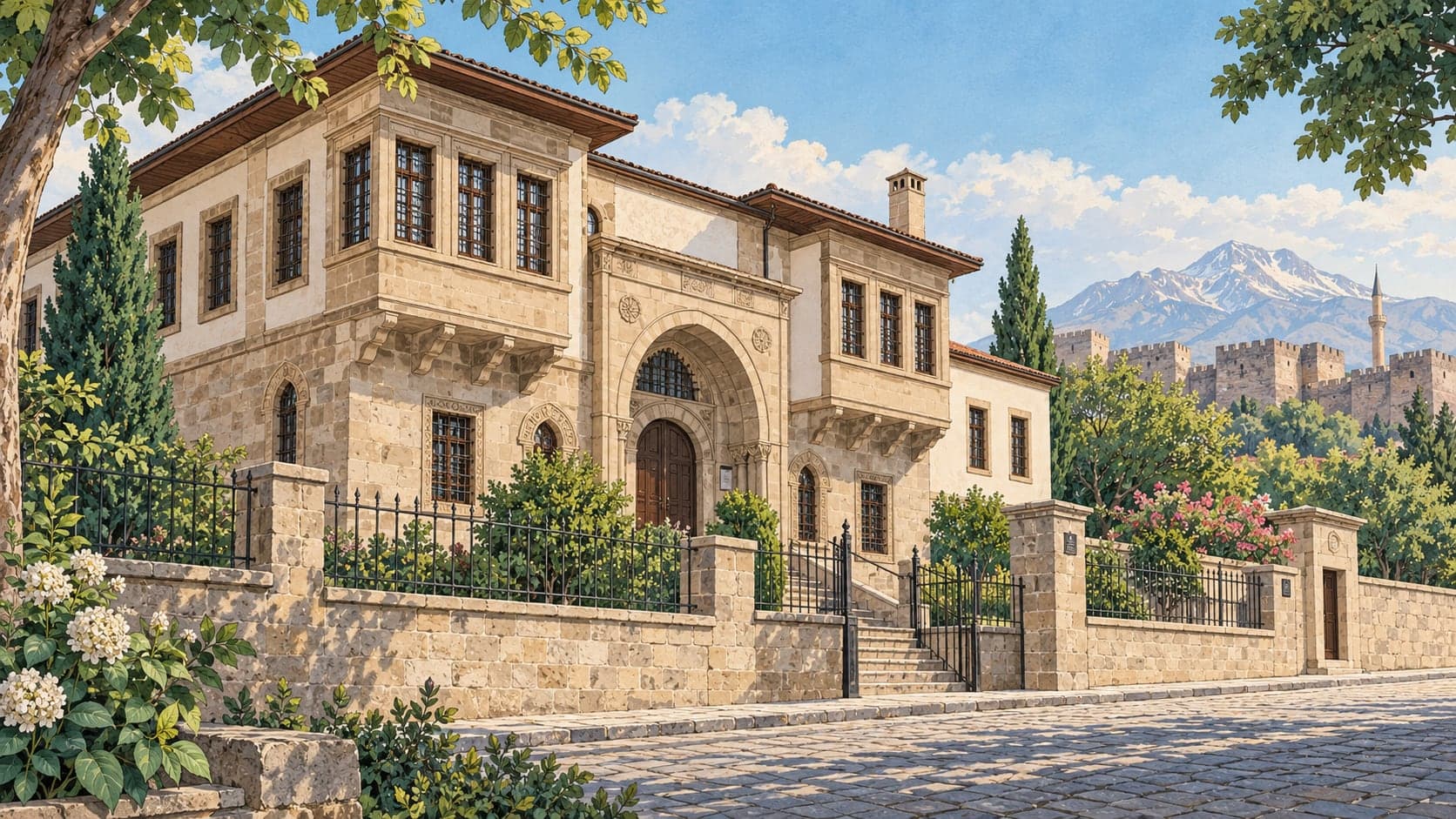
Our compilation for Kayseri, not an official route. The city end is compact enough to walk. The archaeological collection and the Güpgüpoğlu konak — a house begun in the fifteenth century and added to into the eighteenth, now the ethnography museum — stand close to one another, with the Gülük mosque, part of a Danishmend complex, nearby. Our inventory carries the ethnography museum as two separate records and we have not merged them; they are one visit.
Ağırnas, on the eastern edge of the city, holds the museum of the Koramaz valley, which tells the valley's seven settlements through a single story and reconstructed scenes rather than through cases of objects.
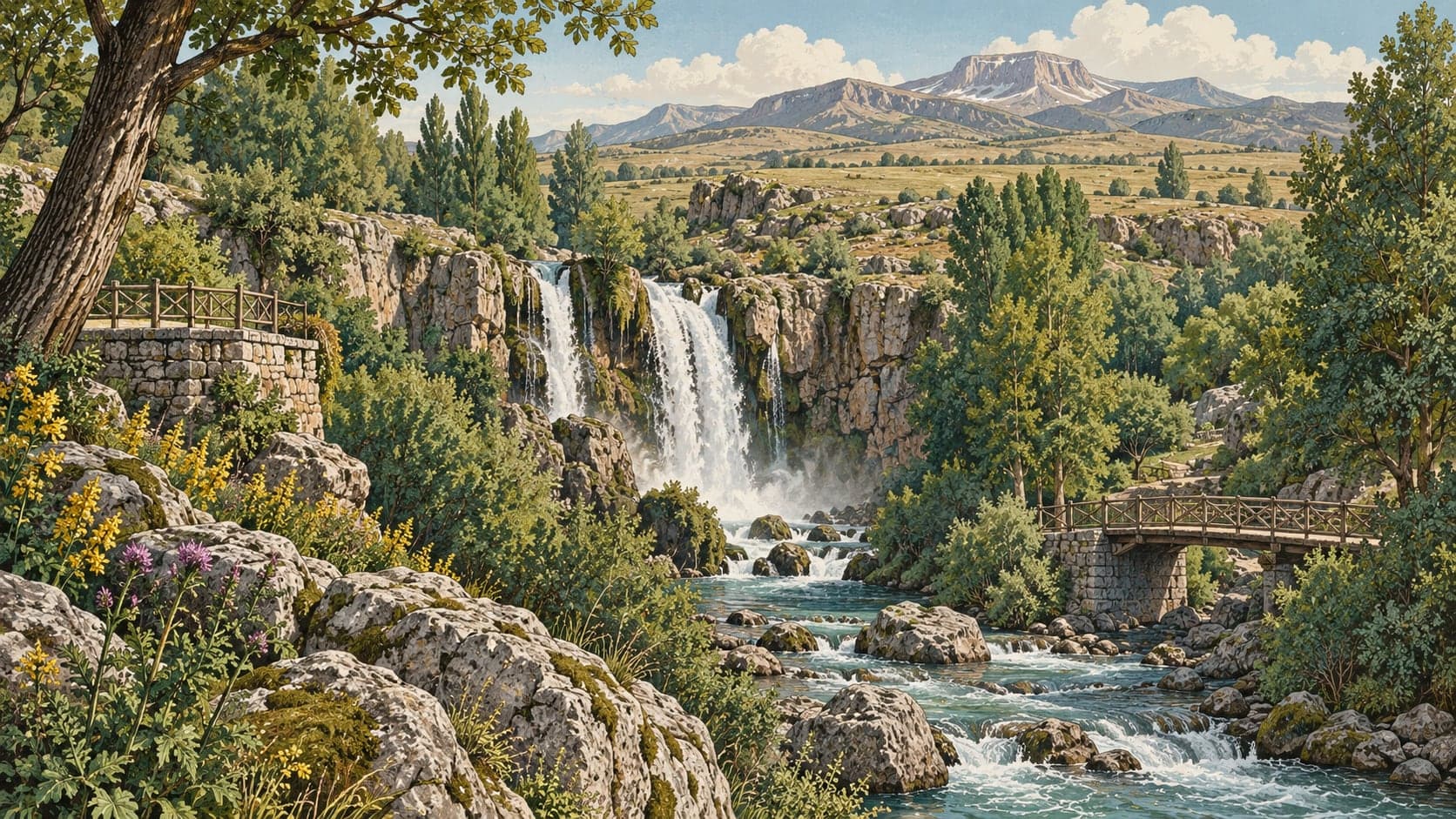
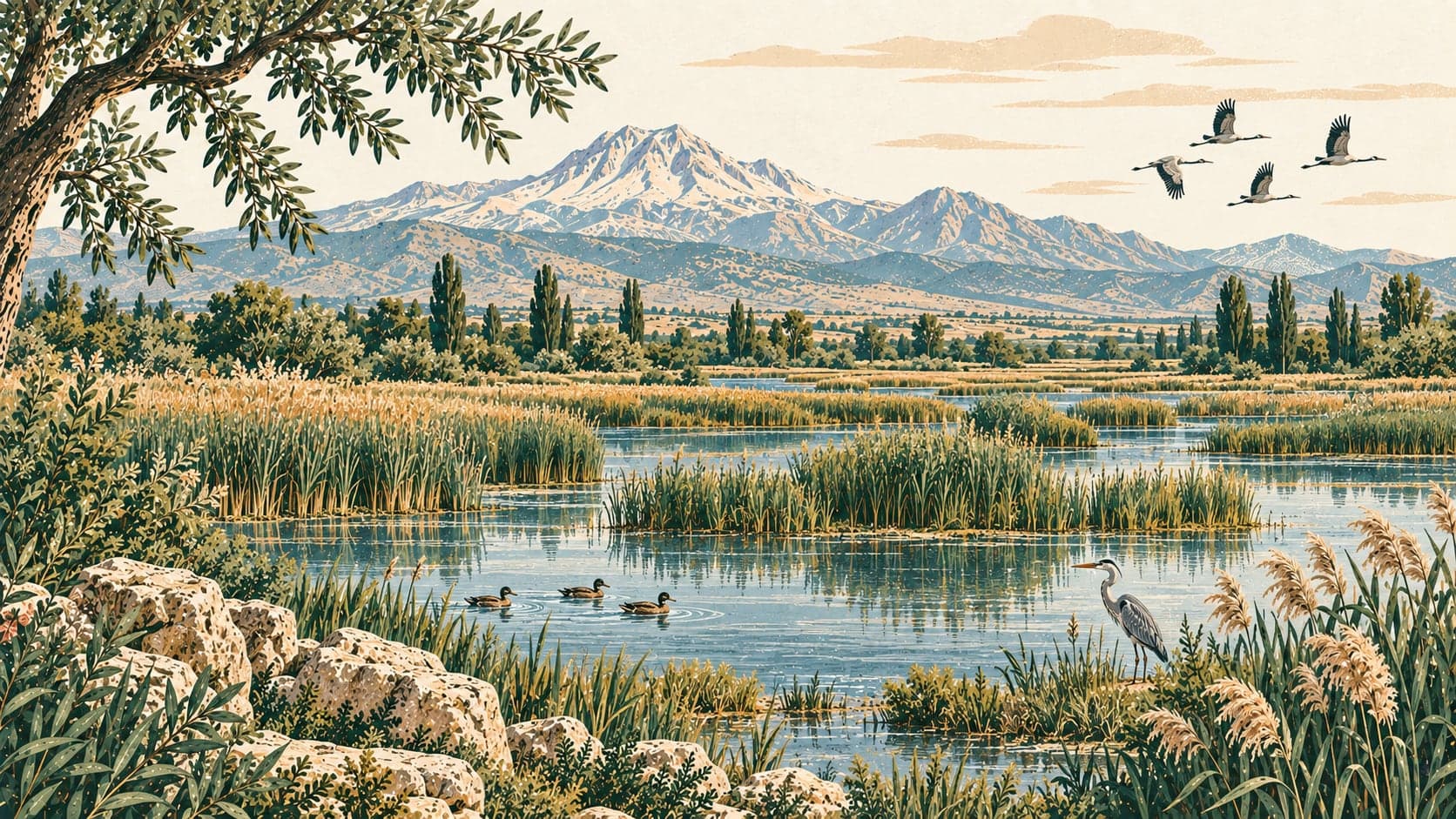
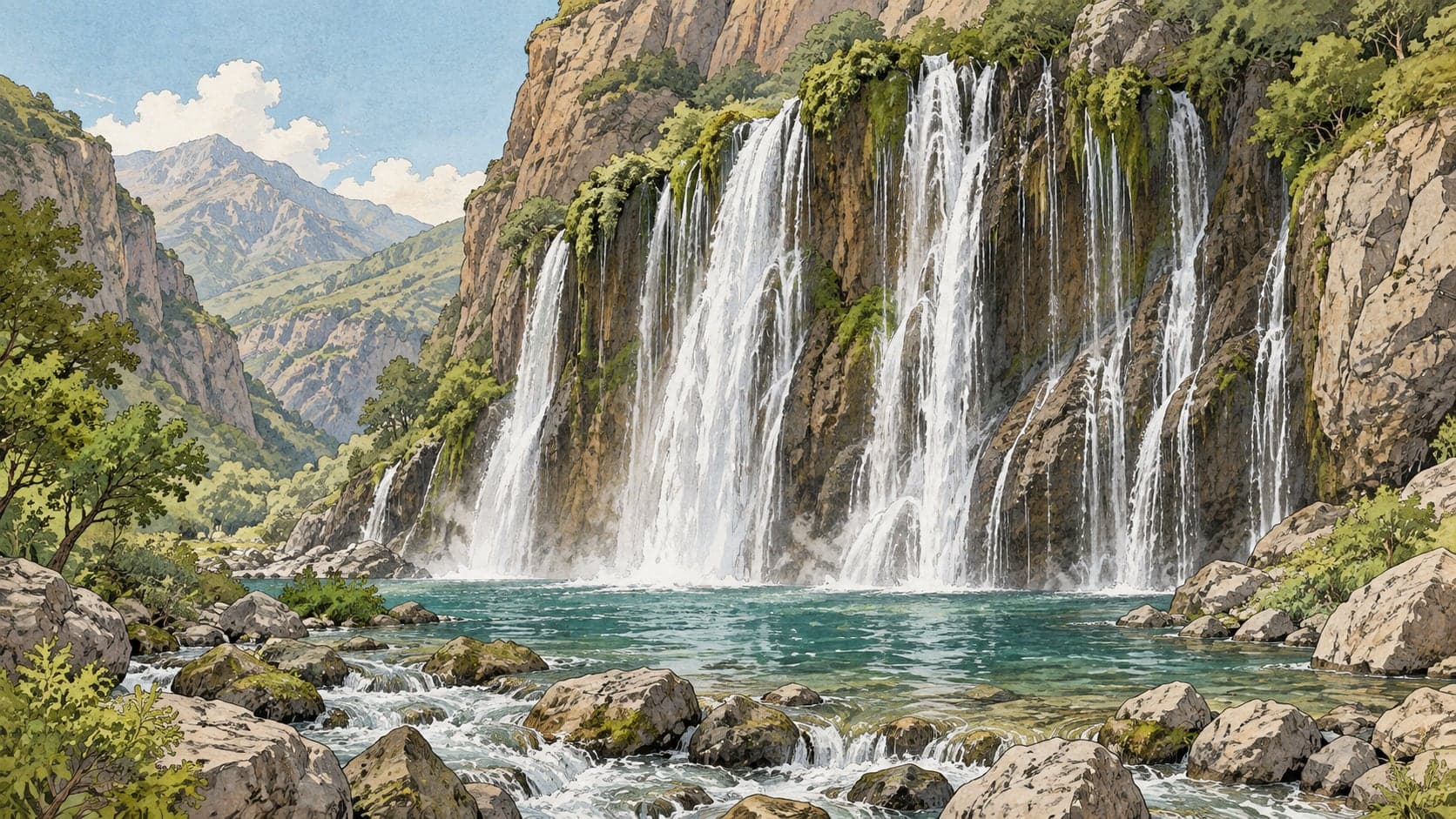
South and west of there the route opens out, and these are separate outings rather than additions. Sultan Sazlığı is among the country's most important wetlands, holding fresh and salt water together within the steppe and standing where two great bird migration routes cross. Yahyalı, in the far south, has both the Kapuzbaşı falls — spring falls, dropping in the same form as the water leaves the ground — and the Derebağ falls in a valley closed by mountains on three sides.
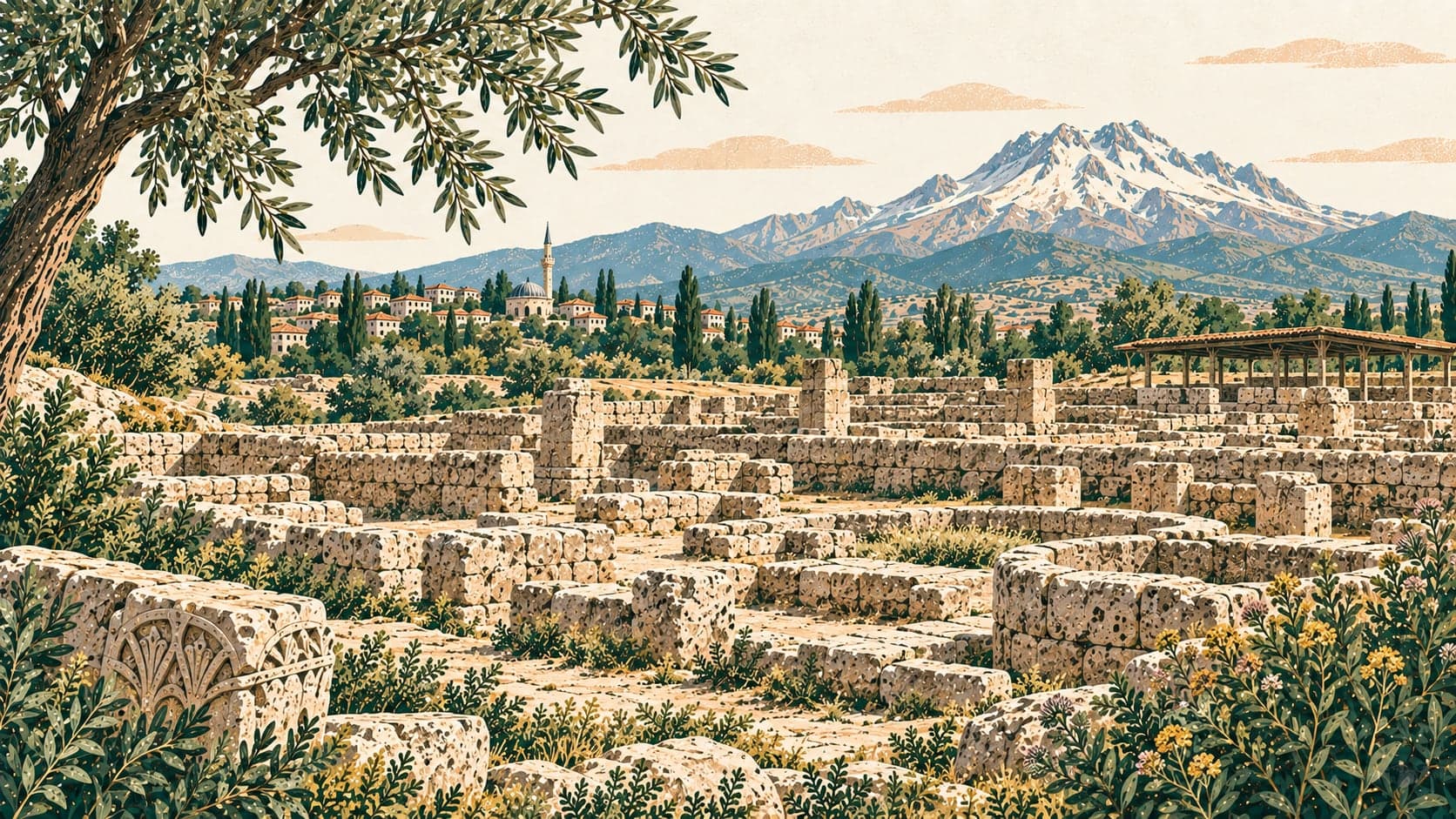
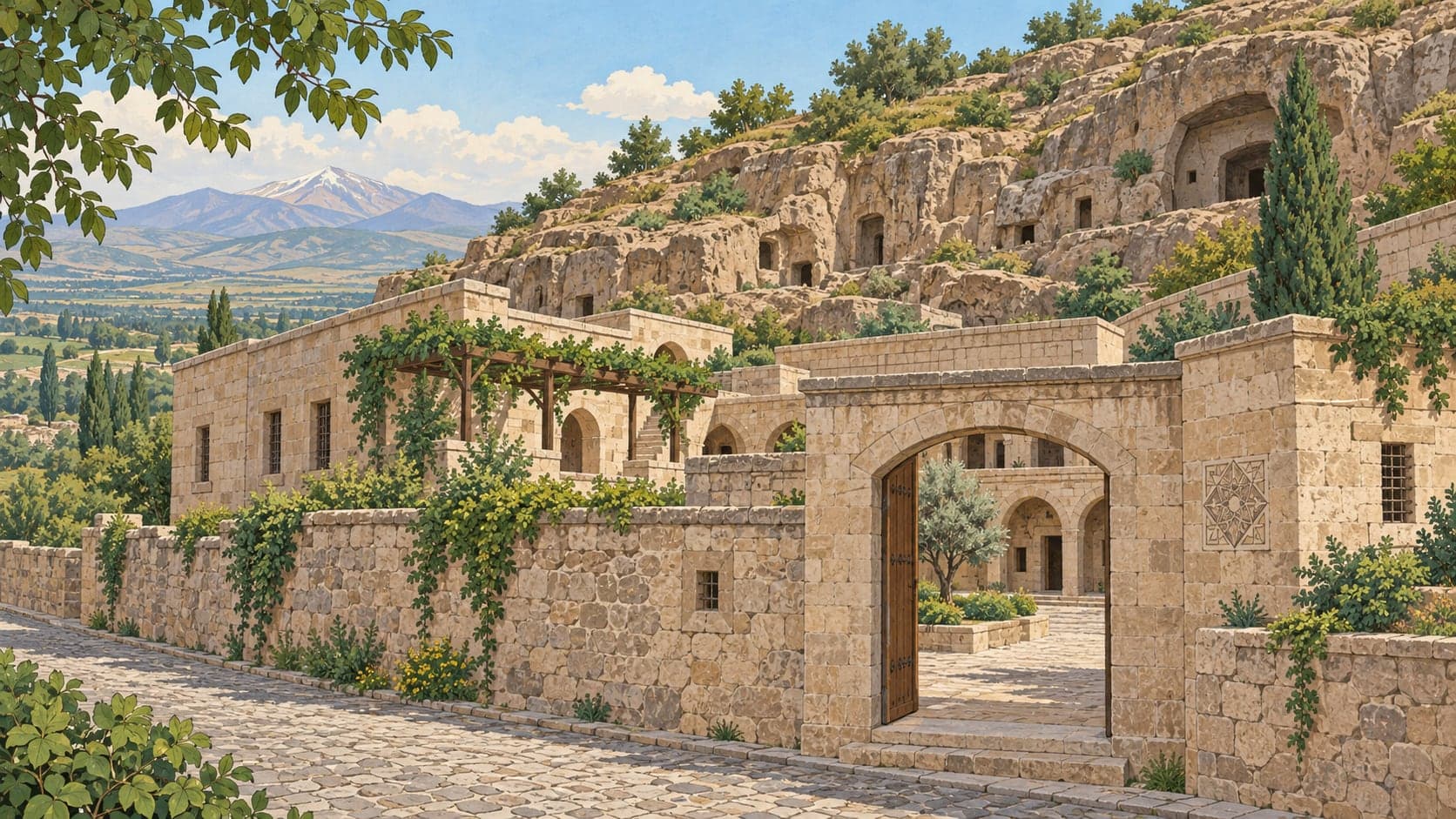
Örenşehir, in İncesu, is the quietest entry: a village whose caves, rock-cut tombs and carved cave walls make it an archaeological site. Our inventory holds no position for it or for the two museum records above, so read the grouping as a shape rather than a schedule. What each place is, and who says so, is on its own page.