Guide
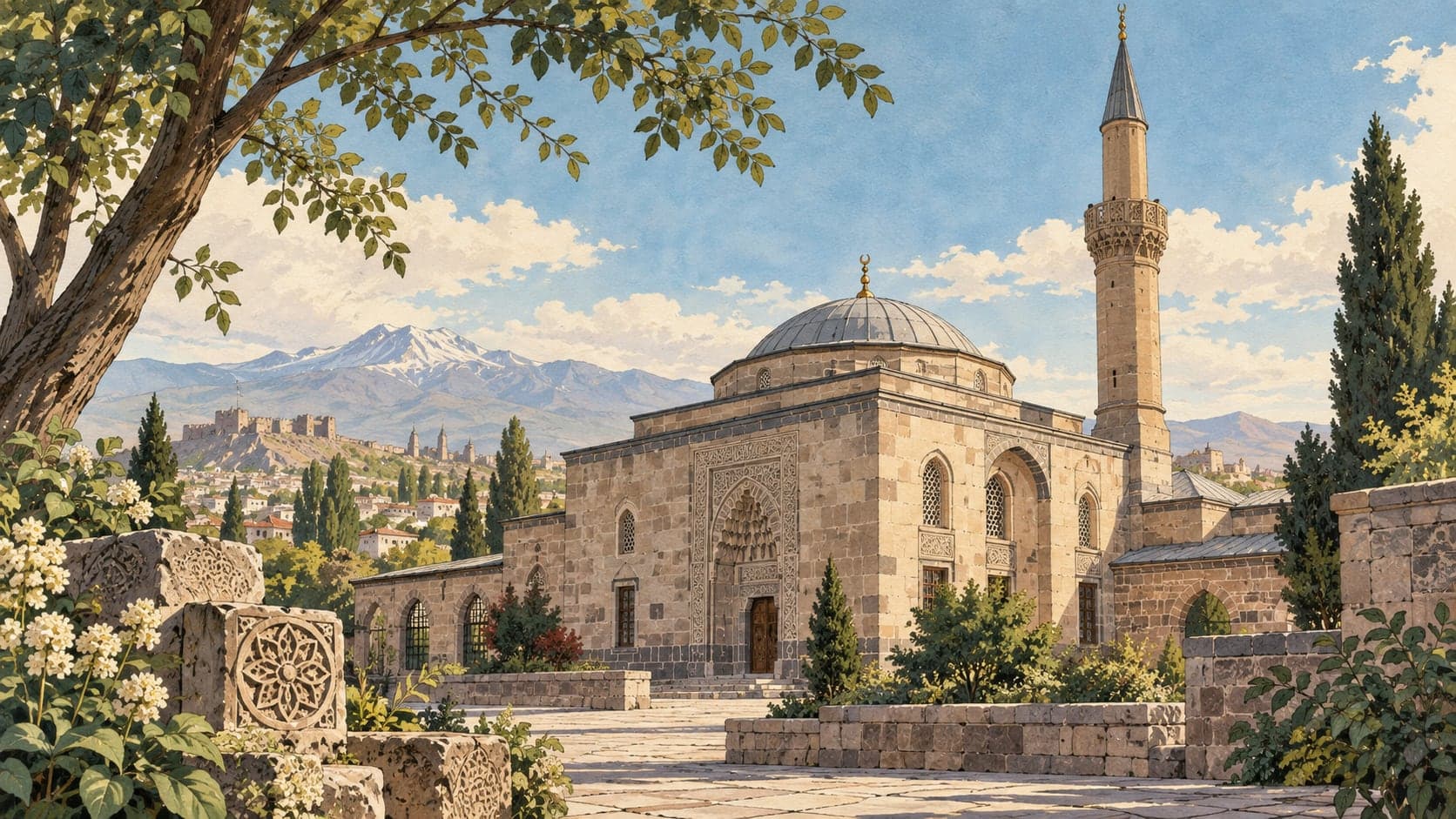
The Gülük Mosque stands in the neighbourhood of the same name in Melikgazi, Kayseri. It belongs to a complex raised under the Danishmends that also held a medrese and, beside them, a bathhouse that no longer exists. No inscription survives giving who built it or when, which is unusual for a building of this size and leaves its founding date open.
Two inscriptions do survive on the fabric. The older sits above a crown portal added later to the north-east face and records a repair: it names Atsız Elti Hatun, daughter of Mahmud son of Yağıbasan and niece of Sultan Mehmet Melik Gazi, and dates the work to the year 607 of the Hijra, 1210 in the common era, under the rule of Sultan Keykavus son of Keyhüsrev.
An earthquake in 1334 damaged the building and it was repaired again the following year by Külek, son of Alemuddin. The endowment deed drawn up with that repair sets aside land to cover the mosque's costs but says nothing about the medrese — probably because the medrese had come down in the quake and was not rebuilt, part of it being taken into the prayer hall instead. Its existence was only confirmed during restoration work in the 1970s, when soundings inside the mosque brought the buried sections to light.
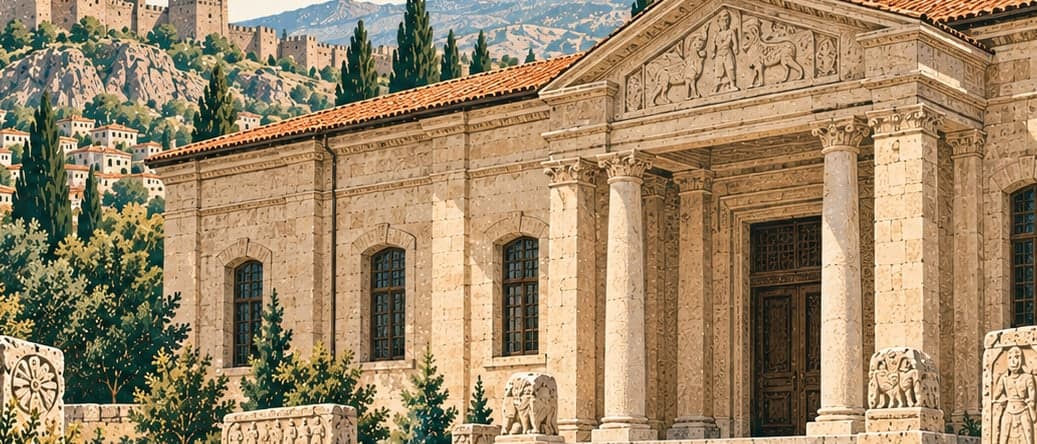
The whole occupies a broad rectangle of 34 by 25.5 metres, built of block stone, with the marks of its several repairs plainly visible. The north wall is the front for both mosque and medrese: the crown portal is at its north-east end, the mosque door about eleven metres west of it, and the medrese door some eight metres further along. The arch over the mosque door is made of nine dressed stones, with a rosette and the 1335 repair inscription above it.