Guide
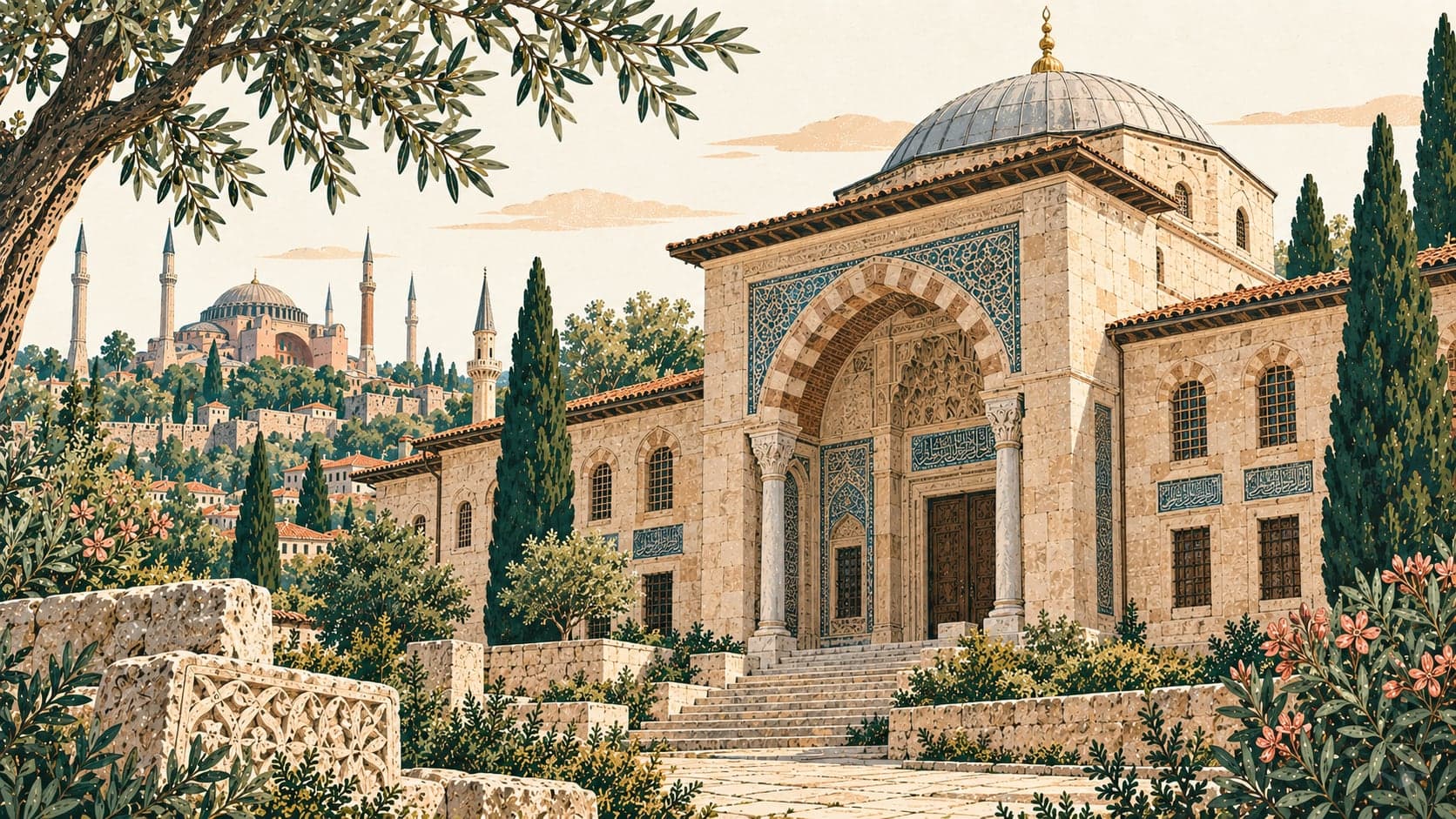
The Museum of Turkish and Islamic Arts, in the Fatih district of İstanbul, was the first Turkish museum to gather the arts of Islam together in one collection.
Work on founding it began at the end of the nineteenth century and was completed in 1913; it opened in 1914 in the soup-kitchen building within the Süleymaniye Mosque complex, one of Sinan's principal works, under the name Museum of Islamic Foundations. After the republic was declared it took its present name. Having stood for a long time in the Süleymaniye complex, it moved in 1983 to the sixteenth-century İbrahim Paşa Palace on the west side of Sultanahmet Square.
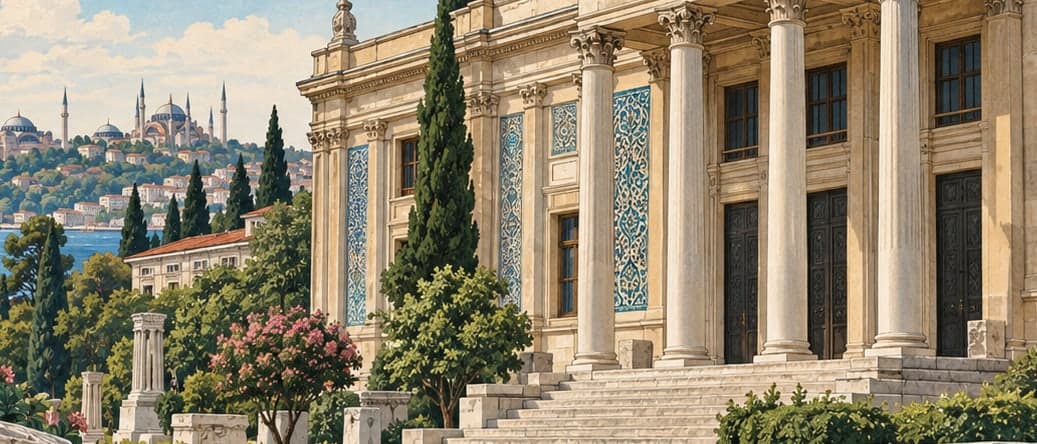
The İbrahim Paşa Palace is the only private palace outside those of the sultans to survive to the present day. Raised on arches, the building encloses a central terrace on three sides, and stairs lead from the terrace to the first part of the museum.
The rooms and halls show rare works made in different countries of the Islamic world: objects of stone and terracotta, of metal and ceramic, wood carving, glass and manuscript books, each among the most valuable examples of its period. In the wide glazed section holding the large halls are hand-woven Turkish carpets of the thirteenth to twentieth centuries, with the thirteenth-century Seljuk carpets and pieces of later centuries carefully displayed. The floor below the carpet section is given to ethnography, showing the daily life and work of the last few centuries.