Guide
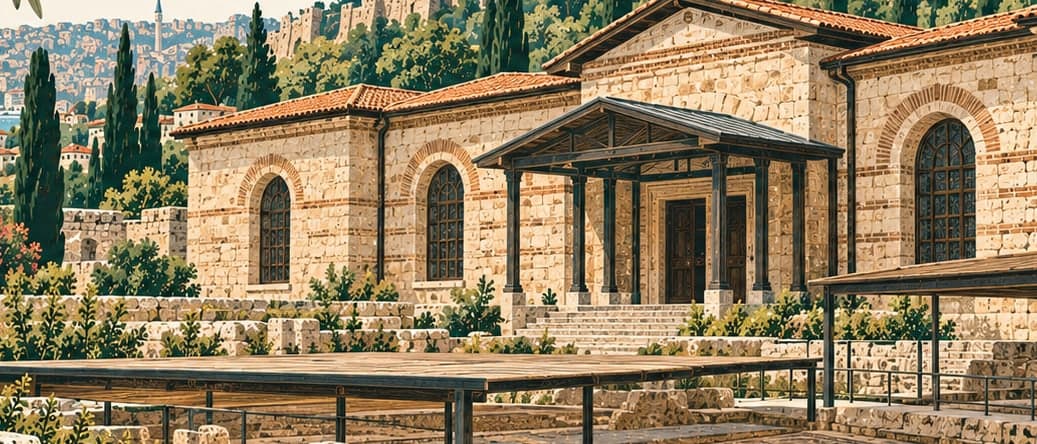
The portal calls Hagia Eirene the first church of Byzantium. When Constantine refounded the city he built a forum, a palace and a hippodrome in his own name, and in the 330s raised this church over Roman temples. The name means Holy Peace, and it also belongs to a saint of that century.
Her story is told as follows. Her real name was Penelope, and she worked to spread Christianity. Pagans threw her into a well full of snakes and she did not die; she was stoned, and tied to horses and dragged, and still did not die. At the end of these miracles her persecutors became Christians and Irene became a saint — and the emperor, the account goes, gave her name to the first temple he built for the monotheistic faith.
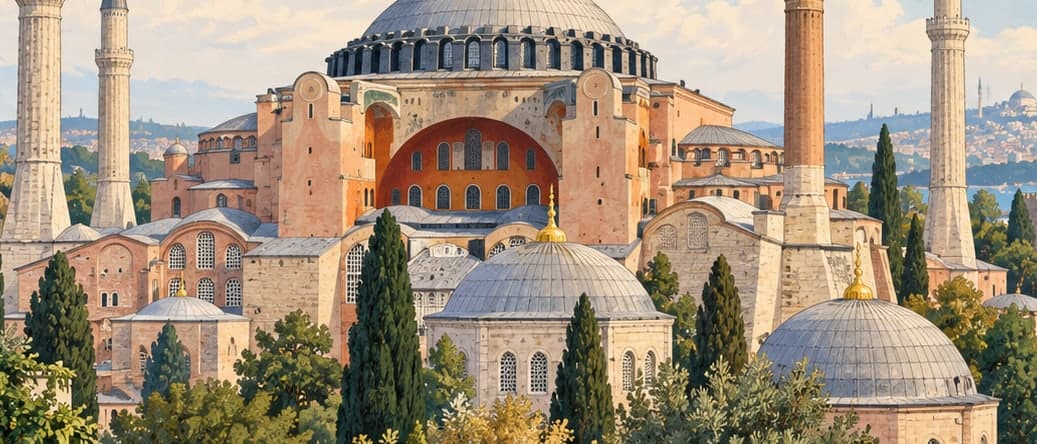
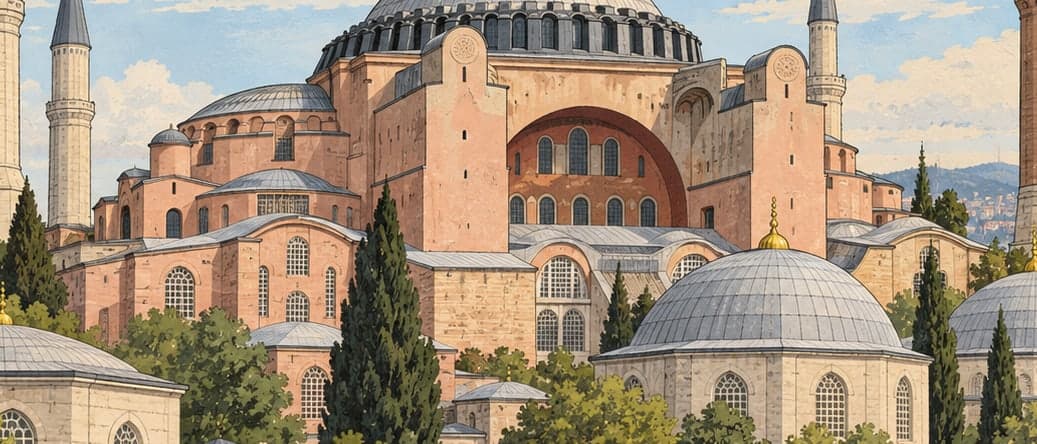
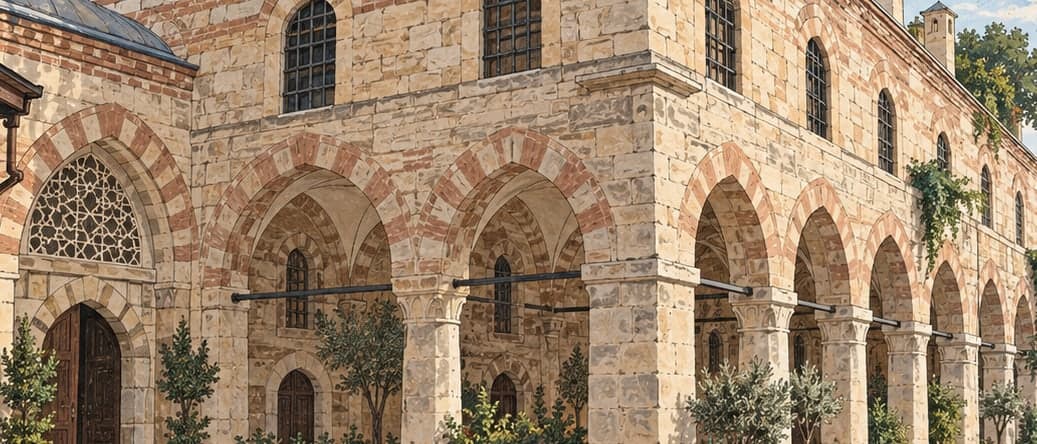
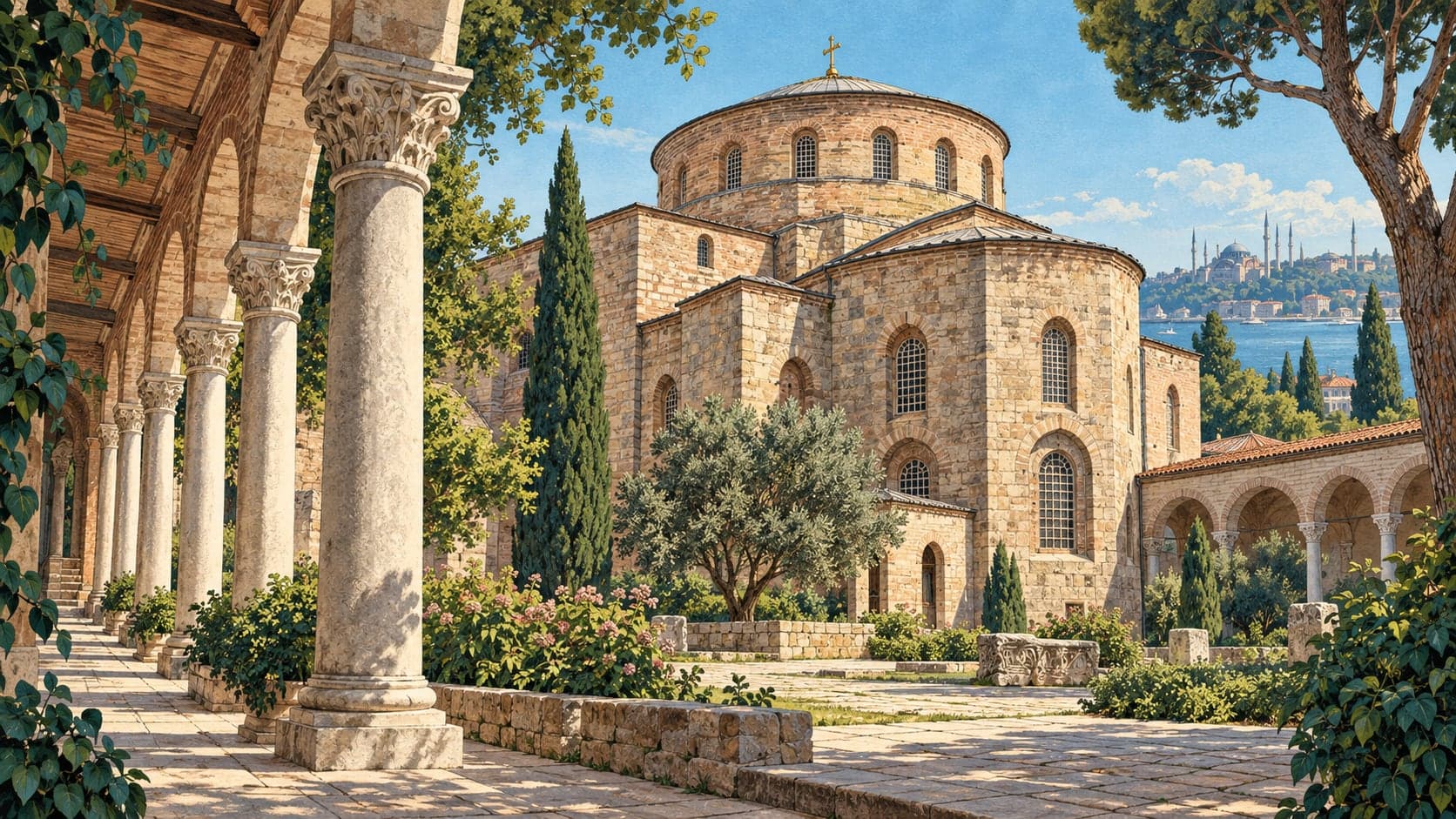
This is the only church surviving from Byzantium with an atrium, the colonnaded courtyard that stood at the centre of old Roman temples; in that respect it carries the features of the building it replaced. But the Hagia Eirene standing today is not the original. The first, of wood, burned in 532: when Justinian banned polytheism outright, the people rose, took refuge with Zeus and set fire to both Ayasofya and Hagia Eirene. He rebuilt them both. Hagia Eirene burned again in 564 and was repaired, and after the two fires came the earthquakes — so the church was repaired three times. Because icons were religiously forbidden in Byzantium during those repairs, the walls were left without decoration.
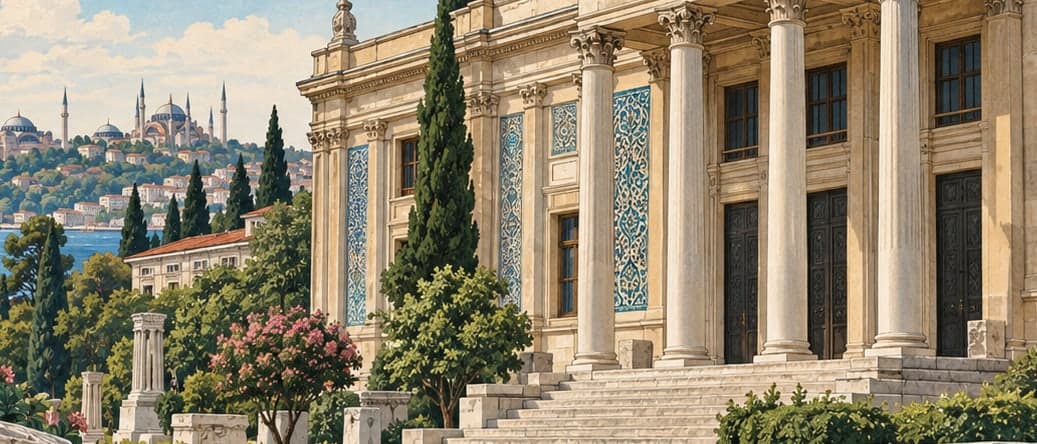
Mehmed II entered İstanbul and the building's use changed with the city. The outer walls of the Topkapı Palace, then going up, ran between Ayasofya and Hagia Eirene, and in time the church became the inner armoury where weapons were kept and repaired. When the arms in that store became antiquities, the first museum of the Ottoman state opened here in the nineteenth century; the double staircase up to the galleries was built then, along with the stair and the inscription of 1726 at the main door.