Guide
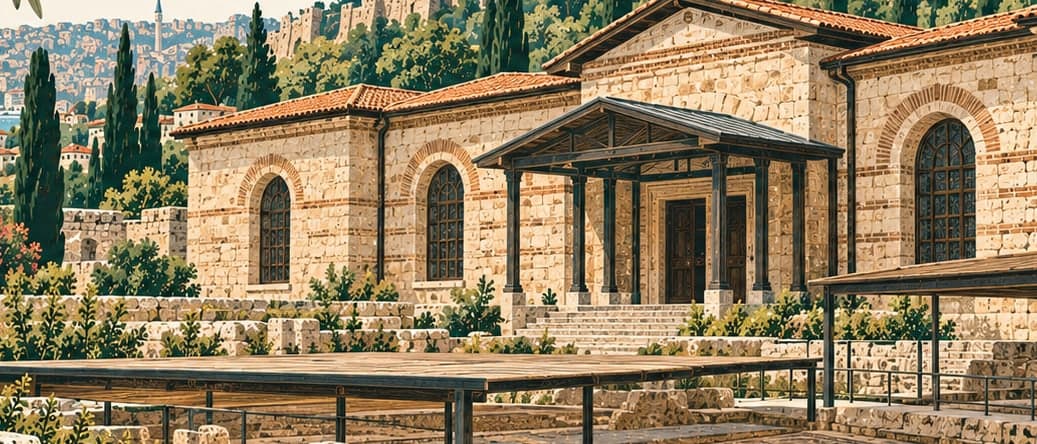
What our inventory lists as Arkeoloji Müzesi is one part of a complex of three: the ministry's record covers the İstanbul Archaeological Museums as a whole, made up of the Tiled Kiosk Museum, the Museum of the Ancient Orient and the Archaeological Museum itself. Expect three buildings on one site rather than one museum. Our inventory holds a separate record for the Museum of the Ancient Orient as well.
The ministry calls it the first museum in Türkiye, with close to a million objects brought from across the imperial territories. It dates the institutional beginning to 1869, when the Müze-i Hümayun, the Imperial Museum, was founded from the archaeological material gathered until then in the church of Hagia Eirene; the habit of collecting antiquities in the Ottoman court it traces back further, to the reign of Mehmed II.
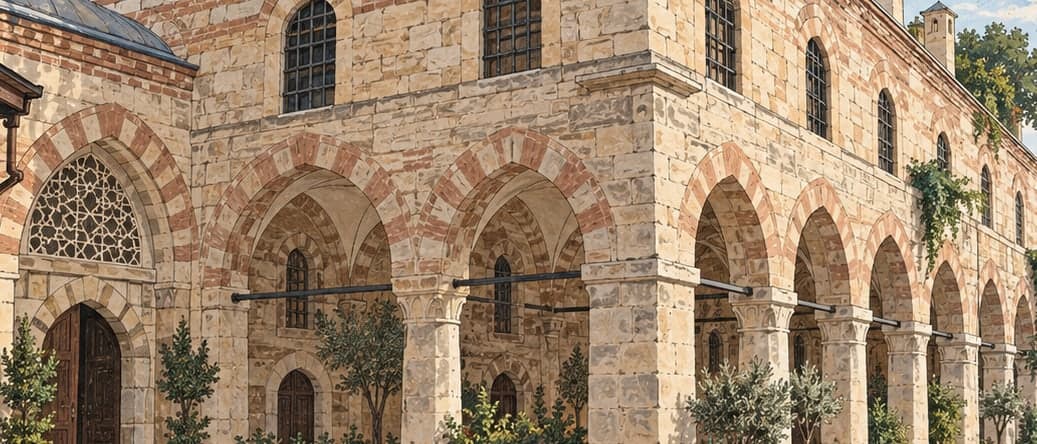
The Tiled Kiosk is the oldest building on the site, built in 1472 under Mehmed II and among the earliest surviving examples of Ottoman domestic architecture in İstanbul. When Hagia Eirene proved too small the kiosk was converted and opened to visitors in 1880. It now holds around two thousand pieces of Turkish tile and ceramic from the Seljuk and Ottoman periods, dated between the eleventh and the early twentieth century, among them a tiled mihrab from the 1432 İbrahim Bey almshouse of the Karamanids, the Ab-ı Hayat fountain of 1590, and a great deal of İznik and Çanakkale work.
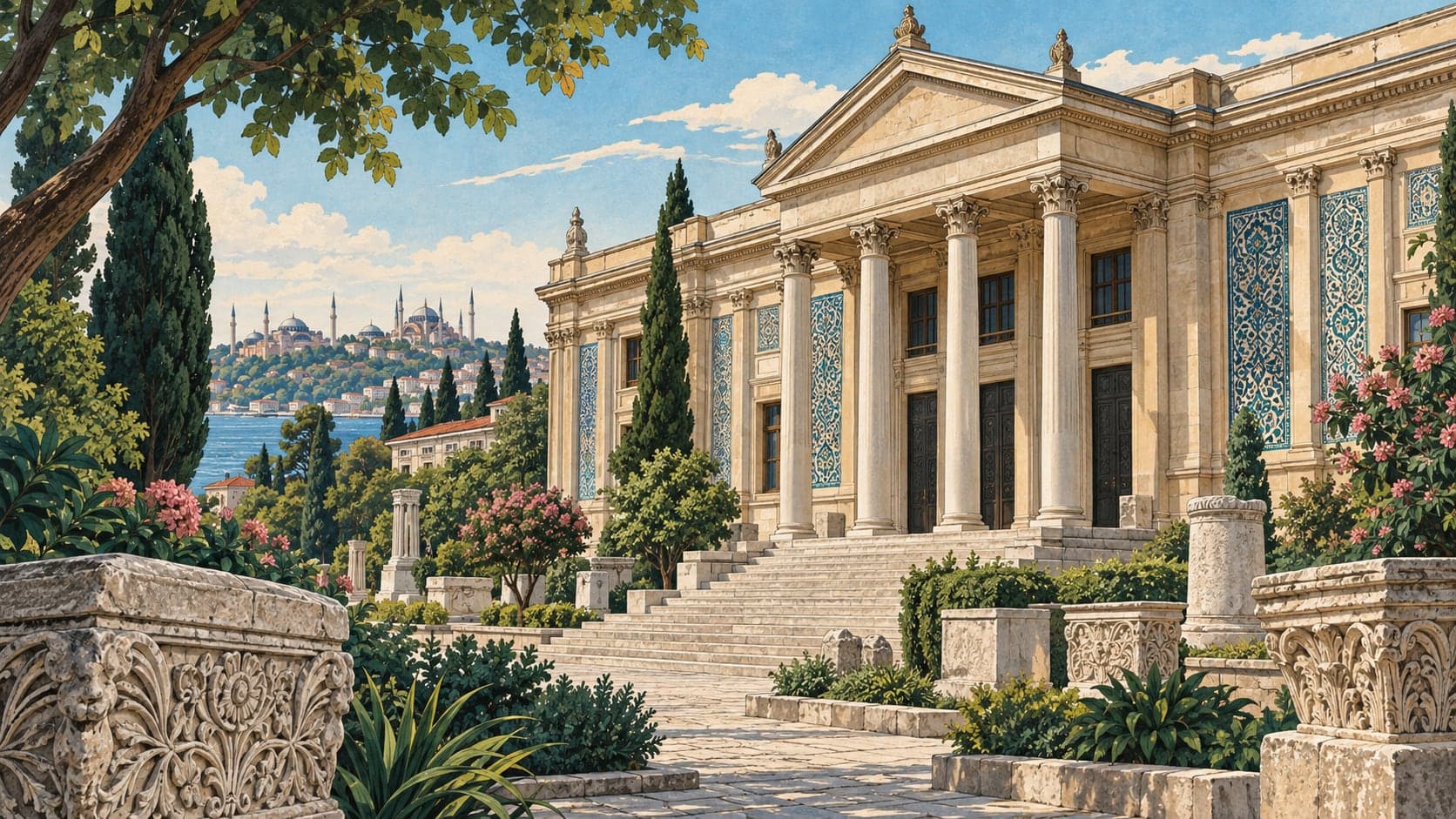
The Museum of the Ancient Orient occupies a building Osman Hamdi Bey had raised in 1883 as the Sanayi-i Nefise Mektebi, the academy of fine arts, designed by Alexander Vallaury; the Ottoman inscription above its entrance reads Asar-ı Atika Müzesi, the museum of antiquities, beneath the tuğra of Abdülhamid II. The Archaeological Museum, in a classical building with a later annexe, runs from prehistory to the Ottoman period and holds the sarcophagi the complex is known for — Alexander, the Mourning Women, Lycia, Sidamara and Tabnit — alongside ancient sculpture. The site is reached from the Gülhane stop on the Kabataş-Bağcılar tram line; from the Anatolian side, the Kadıköy-Eminönü and Üsküdar-Eminönü ferries connect to that line.