Guide
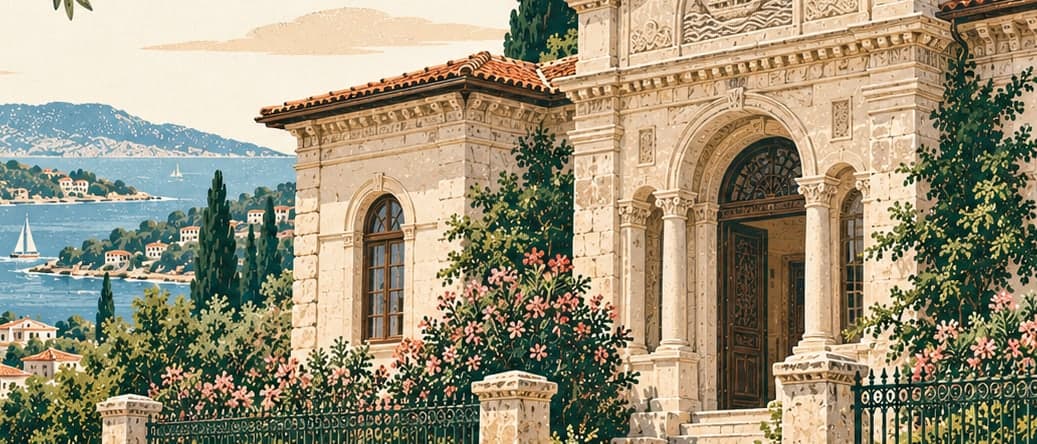
The Sait Faik Abasıyanık Museum is a house museum on Burgaz Island in İstanbul, in the house where the writer lived. It has been open since 1959 and holds objects, photographs, letters and postcards from his life. It is among the most visited house museums in Türkiye and has been in the care of the Darüşşafaka Society since 1964.
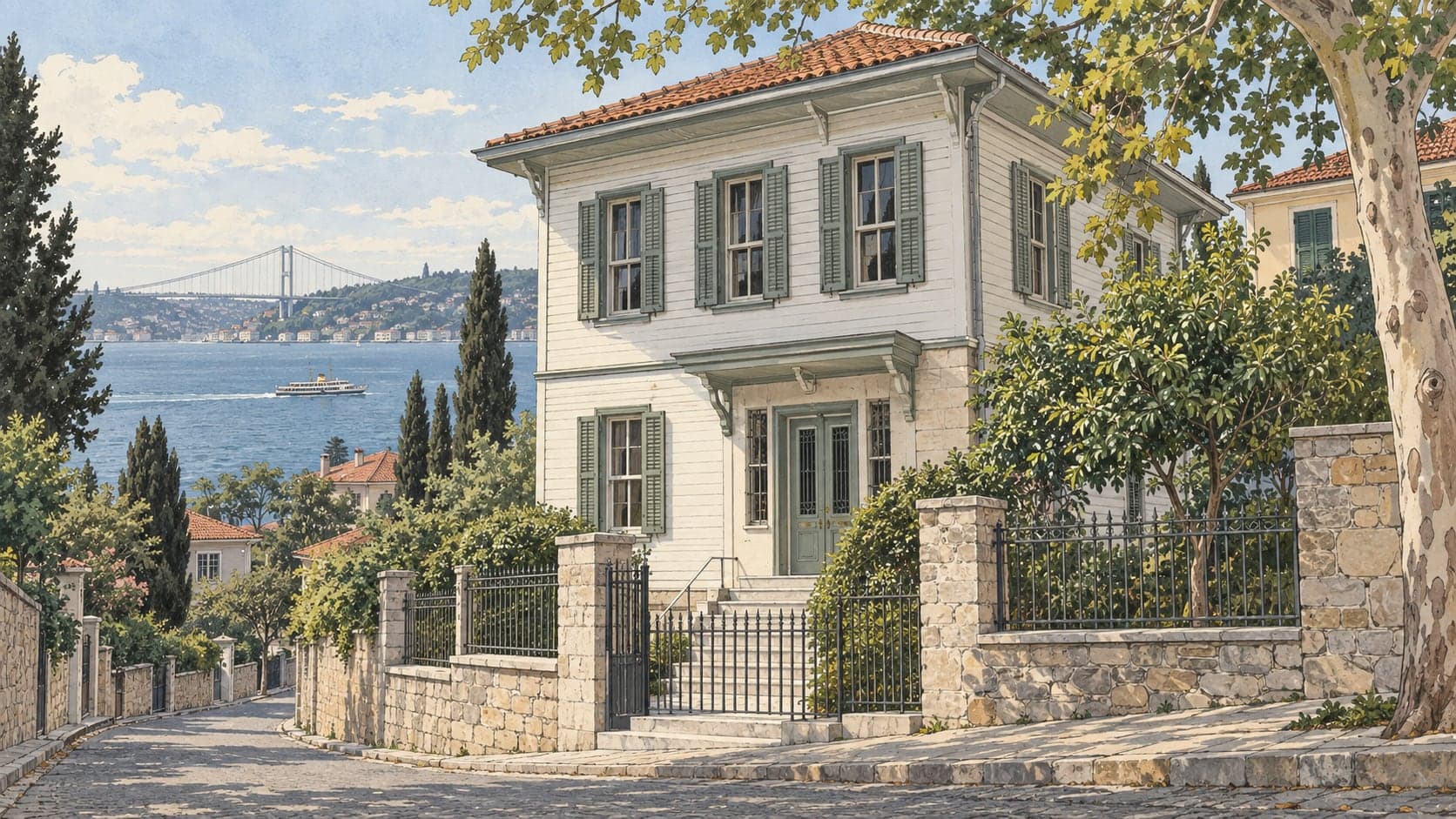
The house, at 15 Çayır Street on Burgaz, is where the writer's mother Makbule Hanım went on living after the death of his father Mehmet Faik Bey in 1939. The writer spent winters in Şişli and summers on the island with his mother, and after his illness appeared he spent most of the last ten years of his life in this house. It was turned into a museum at his mother's wish after his death.
In her will, drawn up on 8 November 1954, Makbule Abasıyanık left most of her property, the copyright in her son's works and the house on Burgaz to the Darüşşafaka Society on condition that it be made a museum. The reason lay with the writer himself: before his death in 1954 he had gone to a literary matinée held at that school, was much moved by it, and suggested to his mother that they leave their property to the institution.
The museum opened on 22 August 1959. When the will passed to the Darüşşafaka Society in 1964, the society took on the upkeep and repair of the house.
The opening caused some argument in literary circles. Orhan Seyfi Orhon objected that, with so many important writers in Turkish art, the work should have begun with Sait Faik. Answering him, Aziz Nesin wrote that founding such a museum mattered a great deal and that this one was setting a precedent.
The museum was closed for four years between 2009 and 2013 for restoration and renewal. It was laid out again along contemporary museum lines and reopened on 11 May 2013.
In keeping with Sait Faik's wish there is no charge for entry. It can be visited on Wednesdays, Thursdays, Fridays and Saturdays between 10.30 and 17.00, and it can also be toured virtually.
A research workshop on Sait Faik was set up within the museum in 2014 by Canan Cürgen, Zafer Yalçınpınar, Tekin Deniz and Şükret Gökay, with the aim of arriving at new findings about his writing and his life. Besides going through and digitising archives, the workshop carries out cognitive mapping, interviews and discourse work around the ideas in his writing.