Guide
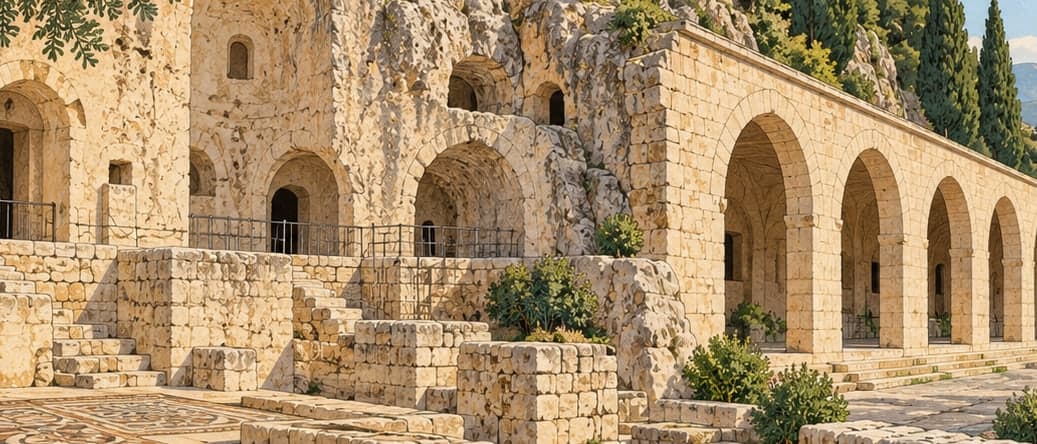
This museum exists because of a hotel. In 2009, digging for one in the middle of Antakya turned up archaeological remains, and rather than lift them out the decision was taken to keep them where they lay and build the display around them. The Ministry of Culture and Tourism took the site over in 2019 and opened it to visitors.
What the excavation cut through was roughly 2,300 years of continuous settlement. The city was founded around 300 BC by Seleucus I, one of Alexander's commanders, who named it for his father Antiochus, and it went on being one of the significant cities of the eastern Mediterranean under Rome, Byzantium and the Ottomans. Those layers sit on top of one another and sometimes run into one another, and the museum shows both the layers themselves and the objects taken from them.
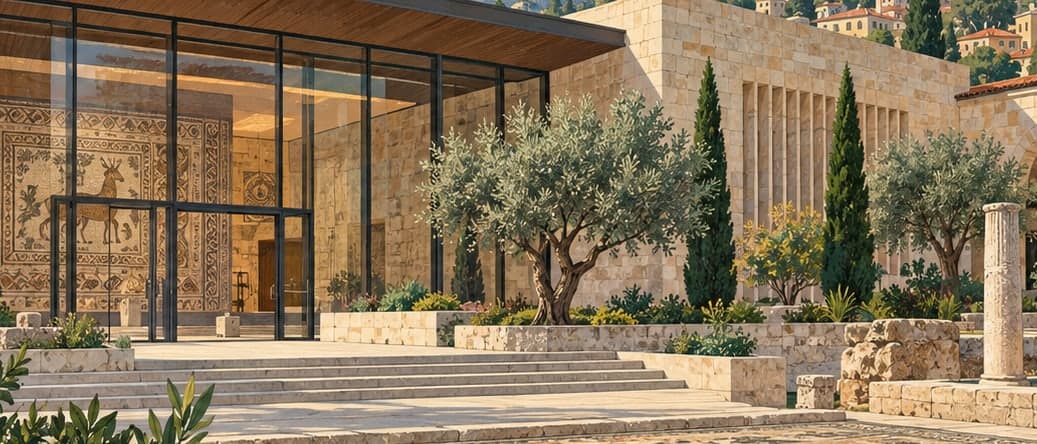
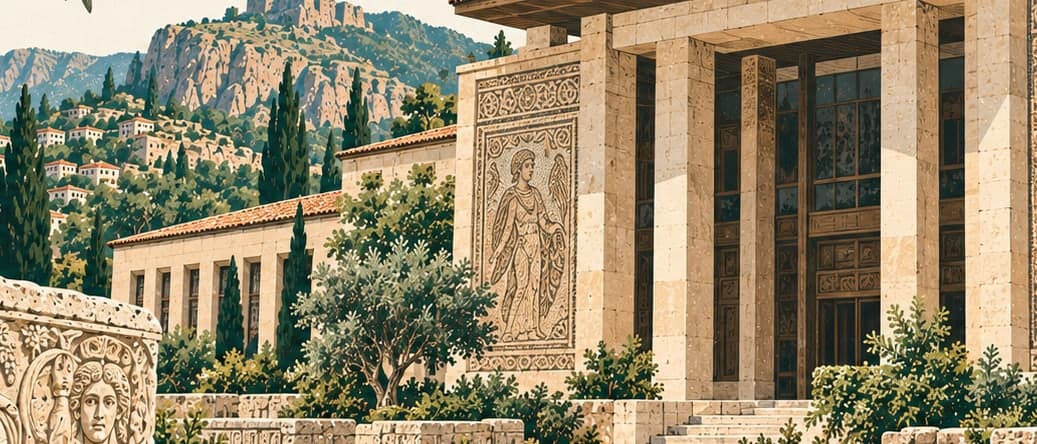
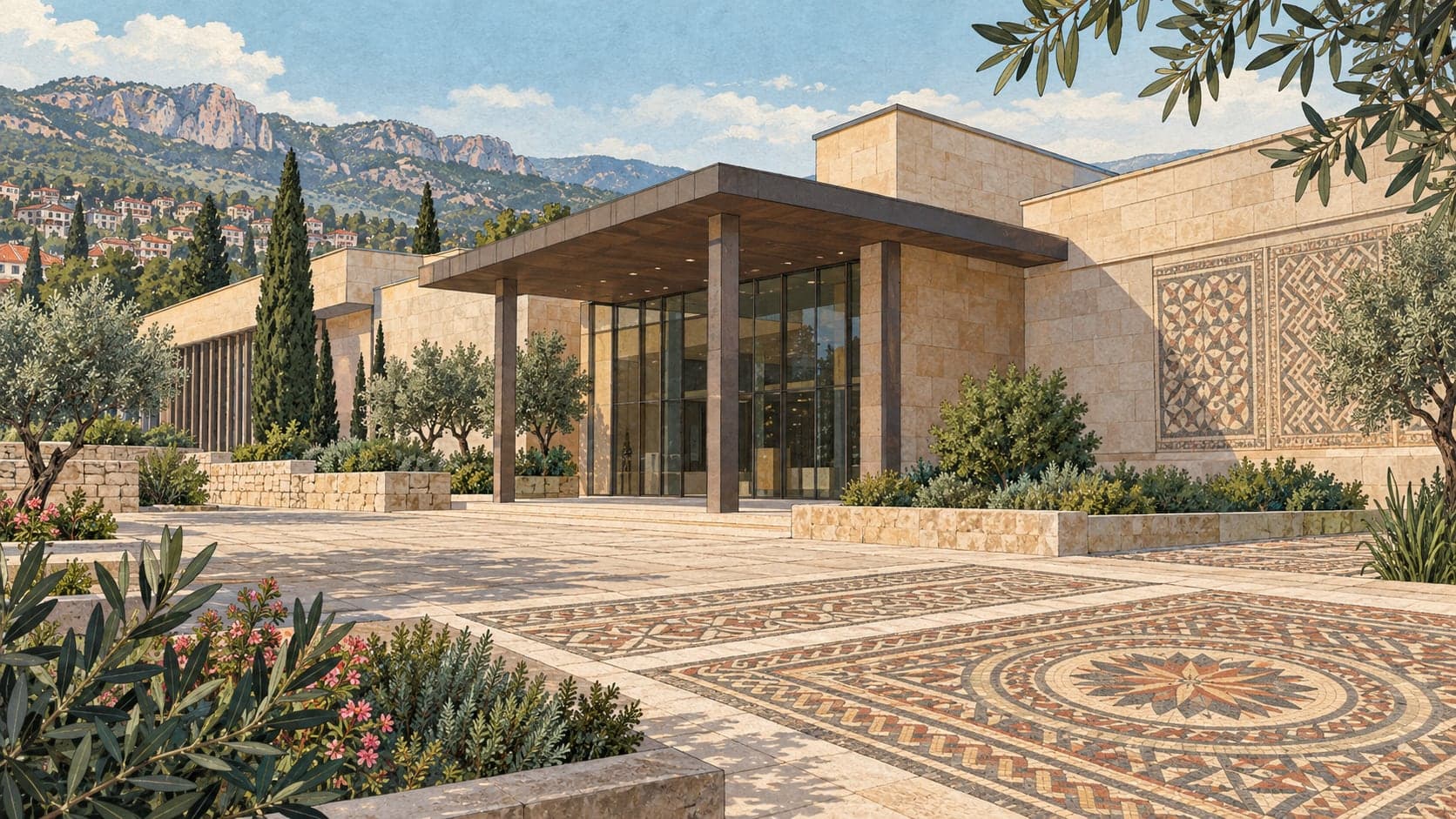
The Roman floor mosaics are the reason to come, and they are shown in place rather than mounted on walls — a museum of this kind, the ministry notes, is one of only a handful in the world. One belonged to a second-century villa and is divided into four panels: the main one has the winged horse Pegasus with three nymphs preparing him for a ceremony, and the three smaller panels beneath carry the muses, among them Kalliope at her meeting with the poet Hesiod. Another, at 1,050 square metres, is described by the museum as the largest single-piece mosaic in the world.
The museum stands at Haraparası, Süreyya Halefoğlu Caddesi No. 64, in Antakya, a short distance from the church of St Peter. It is open every day from 08:30 to 17:00, with the ticket office closing at 16:30; the Müzekart is valid for citizens of Türkiye.