Guide
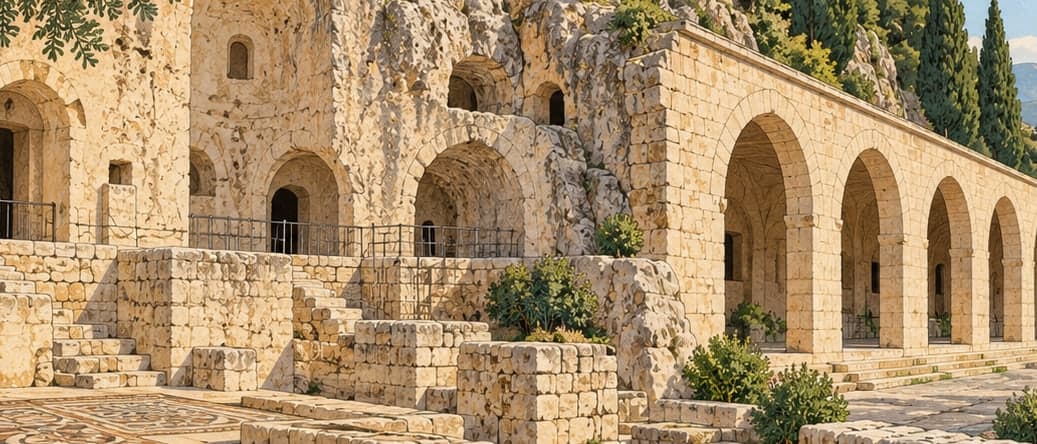
Excavation in Hatay began in 1932. The work Princeton University carried out between 1932 and 1939 brought up the mosaics that became the real wealth of the museum here, together with those found at Harbiye, Narlıca, Güzelburç and Samandağ around the centre at Antakya. Those seasons also produced architecture and other finds, most of them Roman, that showed how rich and how grand the city had been. Digging continued at Seleucia Pieria in Samandağ as well, and the mosaic collection that came out of all this is now spread across roughly twenty museums and private collections around the world.
The effort to gather the finds in one place produced the Antakya Archaeological Museum, completed in 1939 and opened to visitors on 23 July 1948, the tenth anniversary of Hatay joining the motherland.
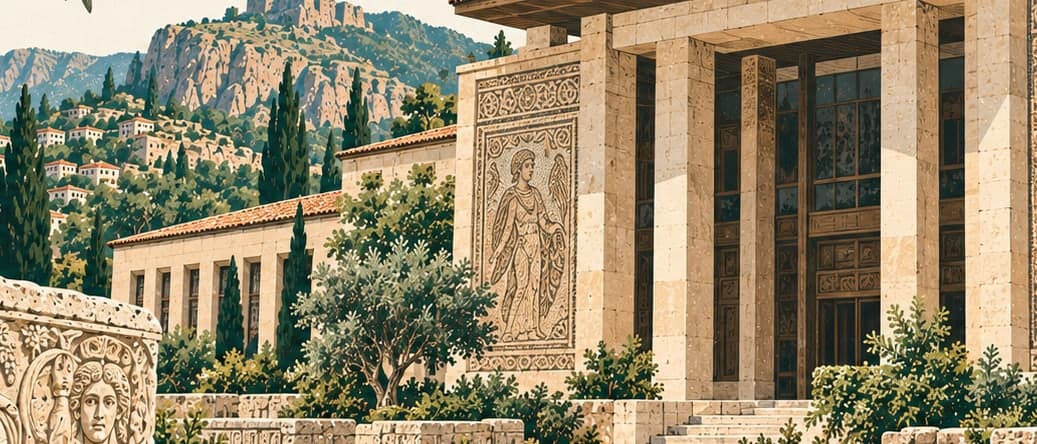
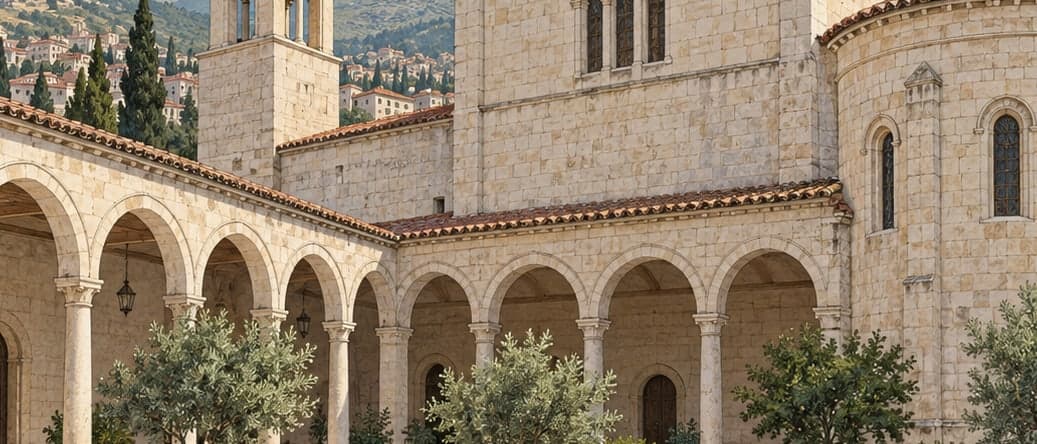
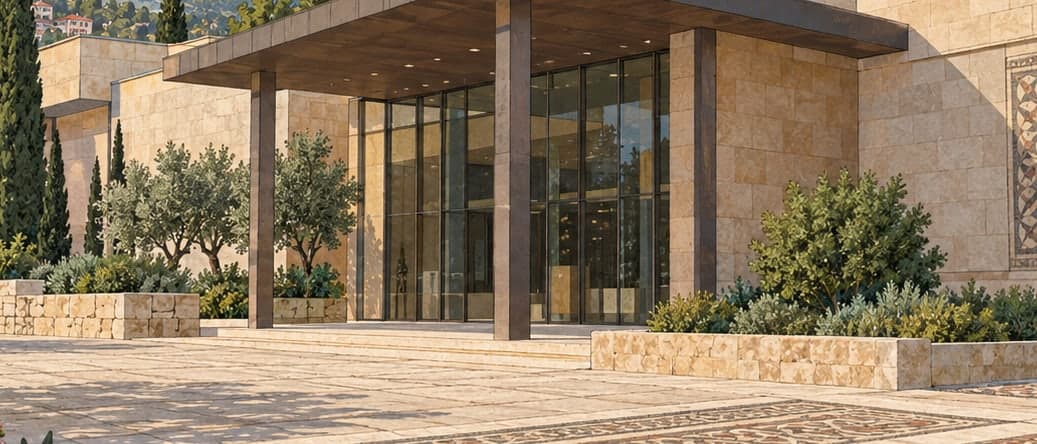
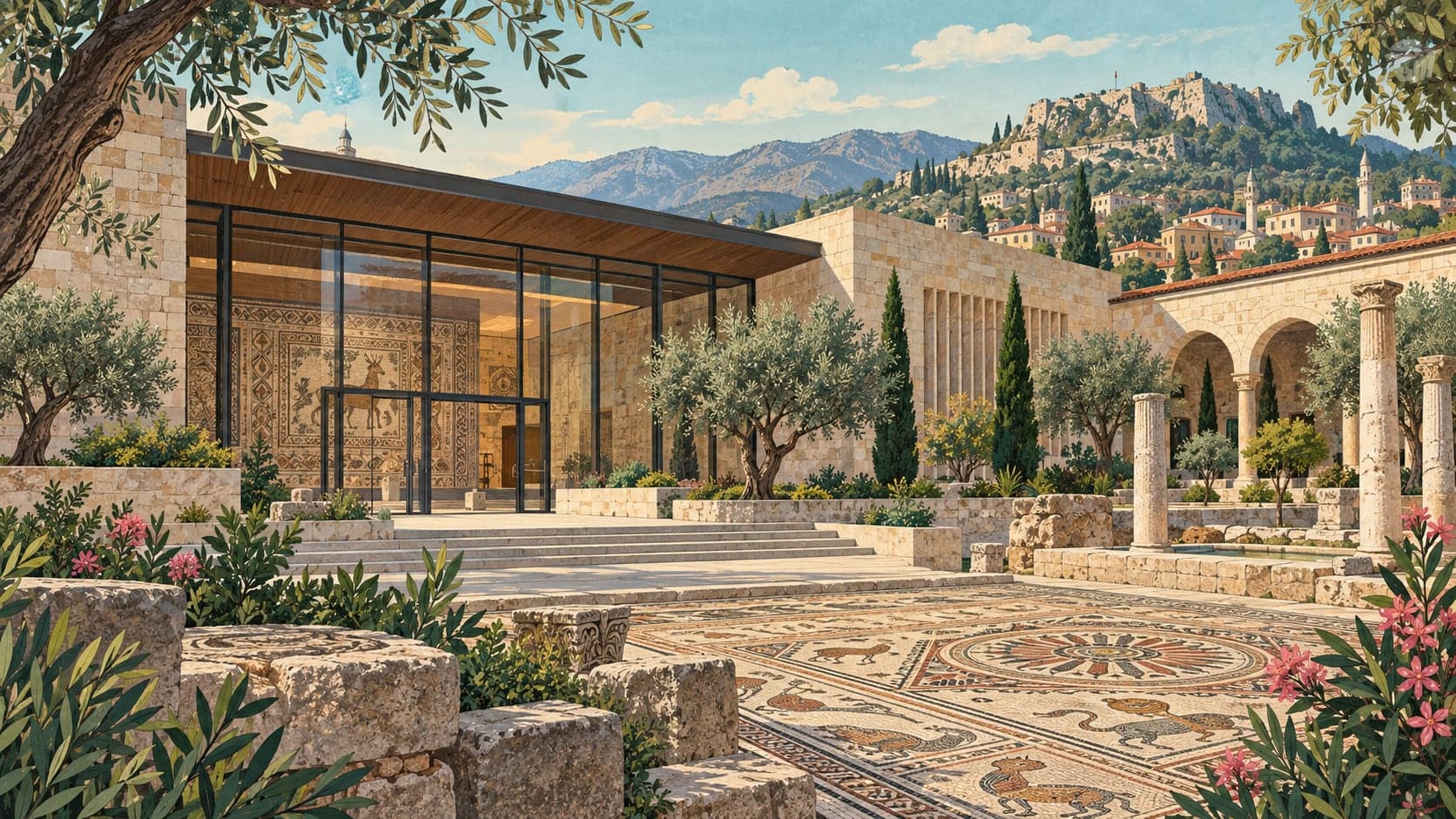
The old building could not meet what was needed and the collection deserved better display, so a new museum was built and opened as the Hatay Archaeological Museum on 28 December 2014. The projects for turning the old building into a city museum — the display scheme and the survey and restoration drawings — were approved by the regional conservation board in Adana, the ministry completed the restoration, and the building reopened on 27 August 2020.
The five galleries each take a theme. The first covers the history of Hatay, the province in general, religions, and living together; the second trade; the third production; the fourth daily life and dress, the courtyard culture of the Hatay house and life within the household; the fifth the food of Hatay.