Guide
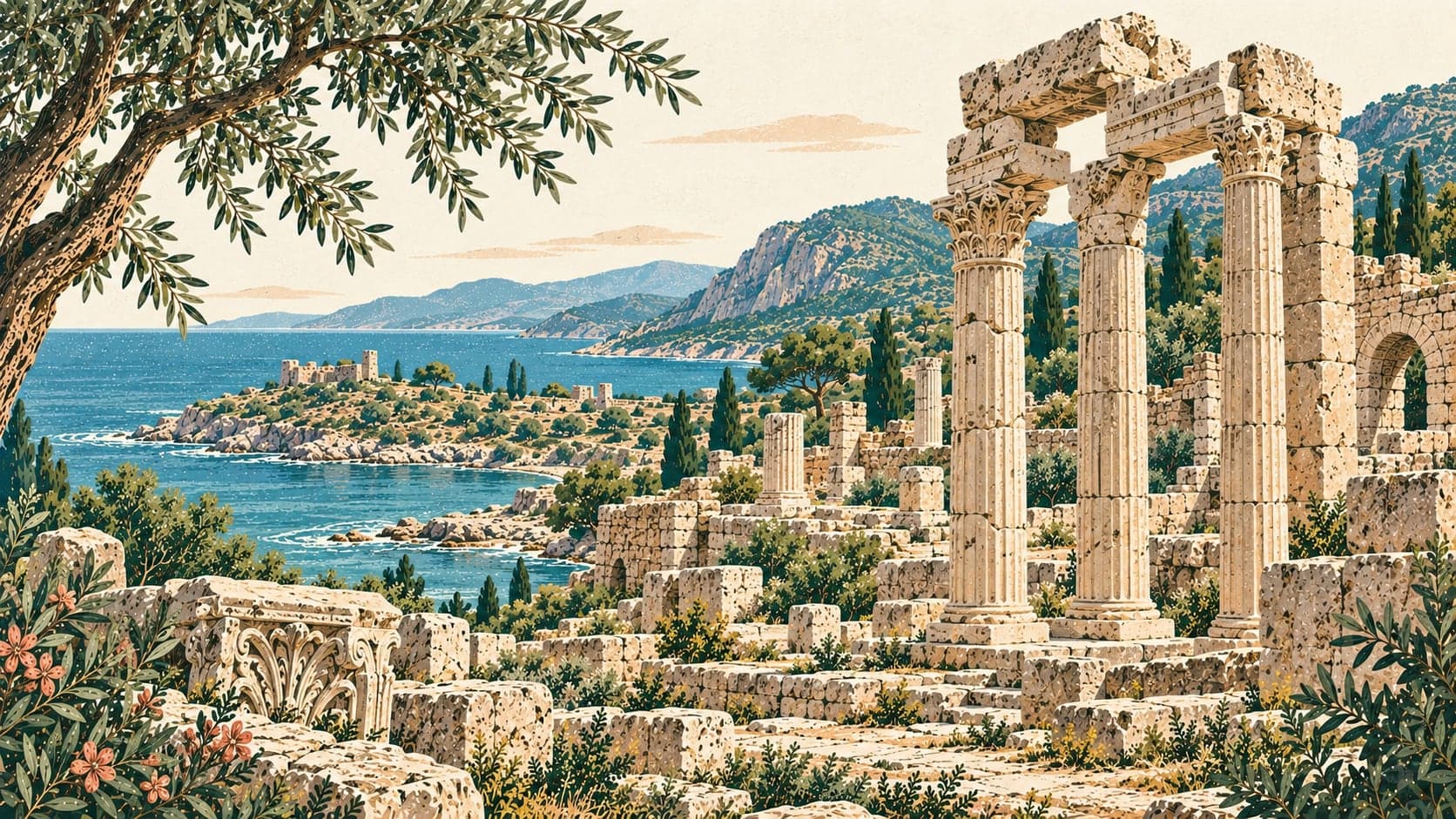
Nagidos is among the oldest cities of its region, and its remains lie on a hill near the shore in the Bozyazı district of Mersin. Hekataios says it was founded by someone of Semitic origin named Nagis Kubernetes, but this is not certain. In the second millennium BC it is known to have lain within the kingdom of Tarhuntassa, formed by the Luwians; its connections with the Assyrians cannot be established.
In the seventh century BC Nagidos became a colony of Samos and with that took on the character of a harbour city open to trade. Ionians and Greeks set up bases of their own in the mountainous part of Cilicia and carried on the eastern trade with the Phoenicians from them.
Firm information about the region appears in the sixth century BC, in neo-Babylonian texts naming Appuashu, king of Pirindu. The texts about the campaign the Babylonian king Neriglissar led against him in 557–556 BC record that his armies reached Kirshu — identified with the site now called Meydancıkkale — described as the capital of their ancestors. Under the Persians, from the sixth to the fourth century BC, Meydancıkkale is known to have been a Persian garrison. Silver coins of Pharnabazus have been found at Nagidos, which shows the city was economically strong at the end of the fifth century and in the fourth.
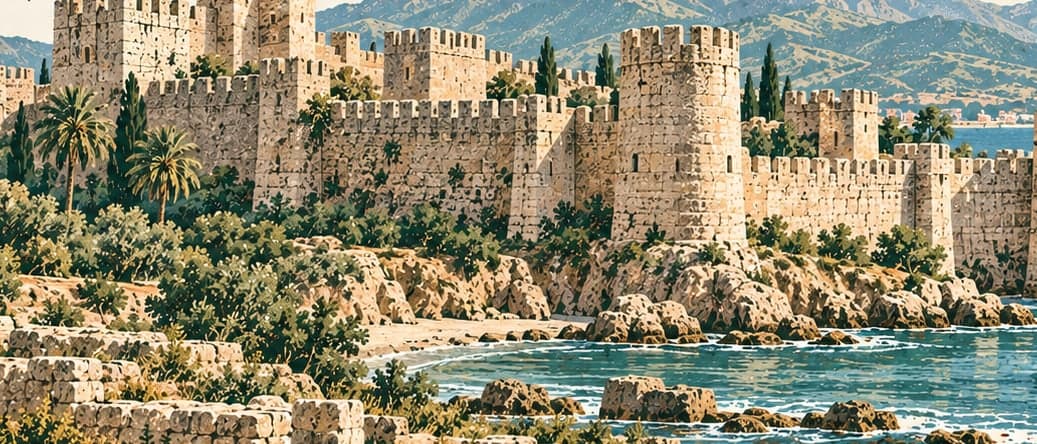
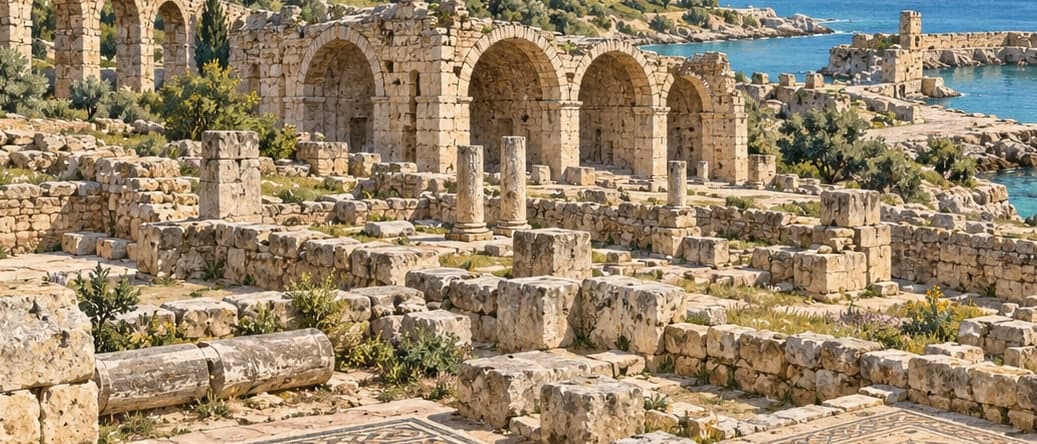
The acropolis on Paşabeleni Tepesi is enclosed by walls thought to belong to various periods. The settlement grew inside them while the southern slopes of the hill were farmed. There is a second settlement east of the hill and an ancient harbour four kilometres to the west; the necropolis lies on the skirts of the hill and under the modern town. The most important find for the city's history is an inscription displayed in the Mersin Museum, dated to 238 BC, which carries information about the founding of Nagidos and of its neighbour Arsinoe together with the boundaries and arrangements in both cities, the sanctuaries, and the Ptolemaic rulers of the period and their dealings with Nagidos.