Guide
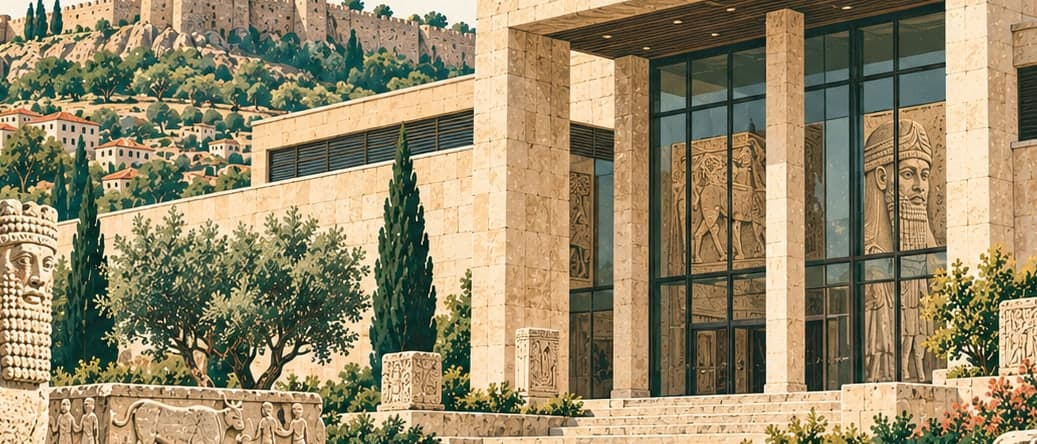
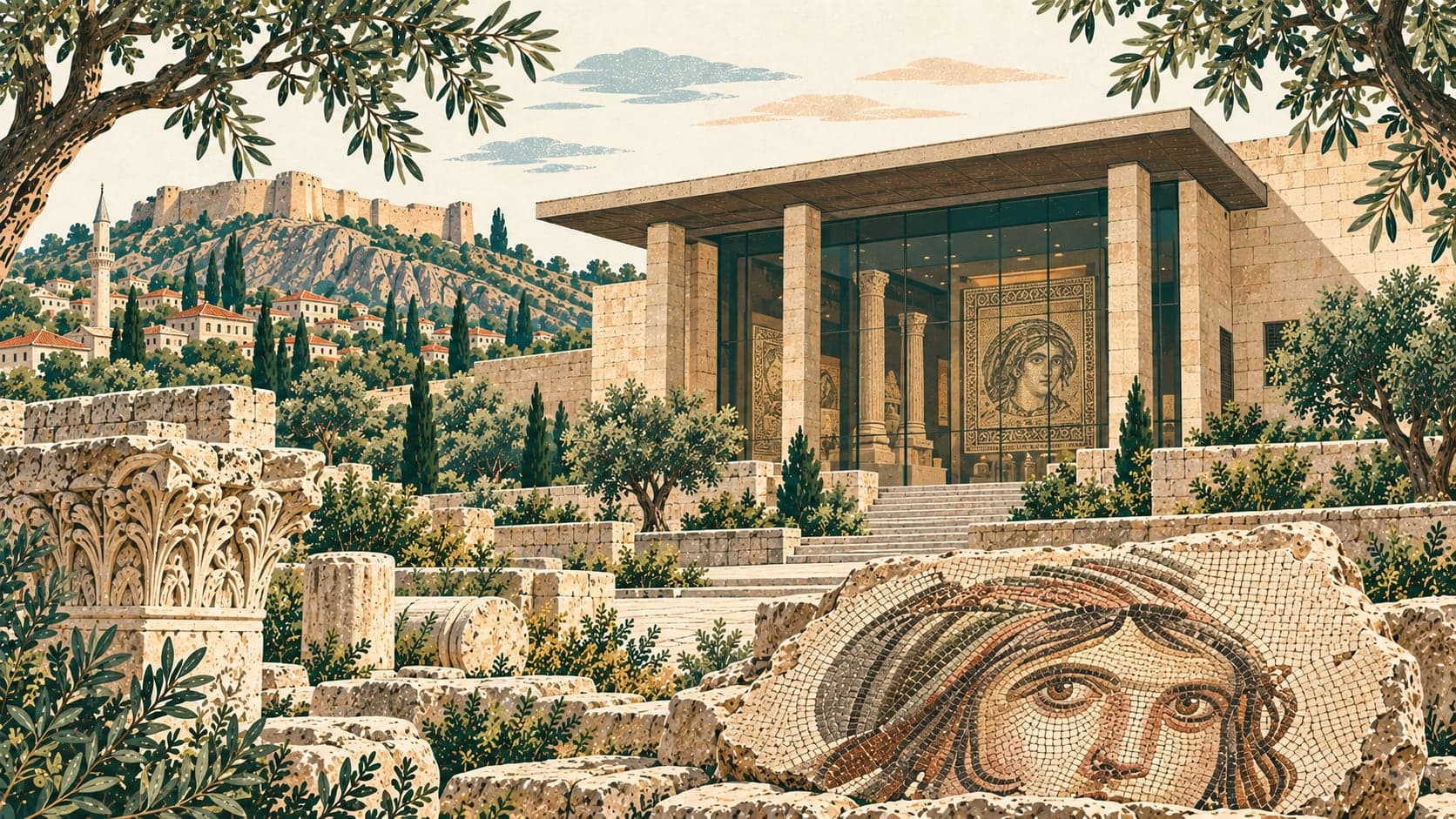
Zeugma Mosaic Museum opened in 2011 to hold the mosaics lifted from the ancient city of Zeugma, on the Euphrates, and it is the reason a great many people come to Gaziantep at all. The scale is the first thing to understand: 2,748 square metres of Roman and Late Antique mosaic, 140 square metres of wall painting, four Roman fountains, twenty columns, four limestone statues, a bronze Mars, grave stelae, sarcophagi and architectural fragments.
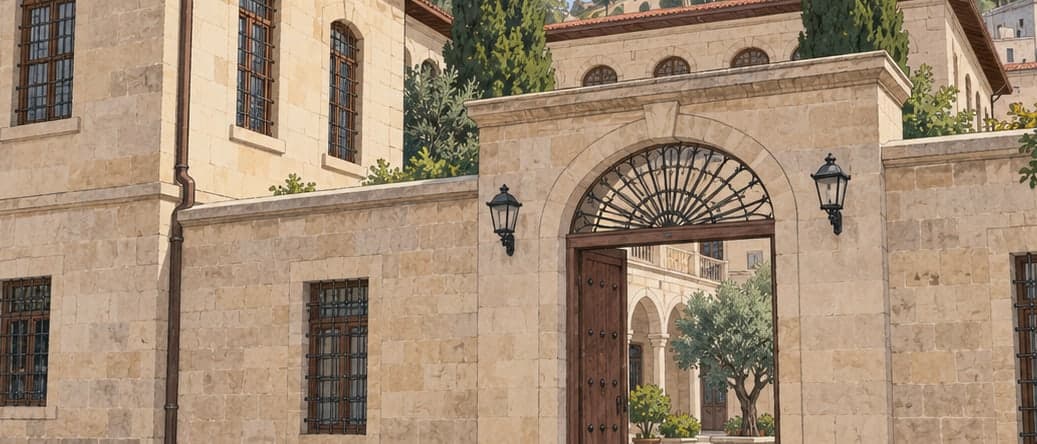
The layout follows the site rather than the calendar. Works are placed according to where they stood in Zeugma itself: the mosaics from the ground closest to the Euphrates meet you at the entrance, and the displays climb from there as the ancient city's terraces did, with the surrounding architecture reconstructed around them so that the rooms read as rooms.
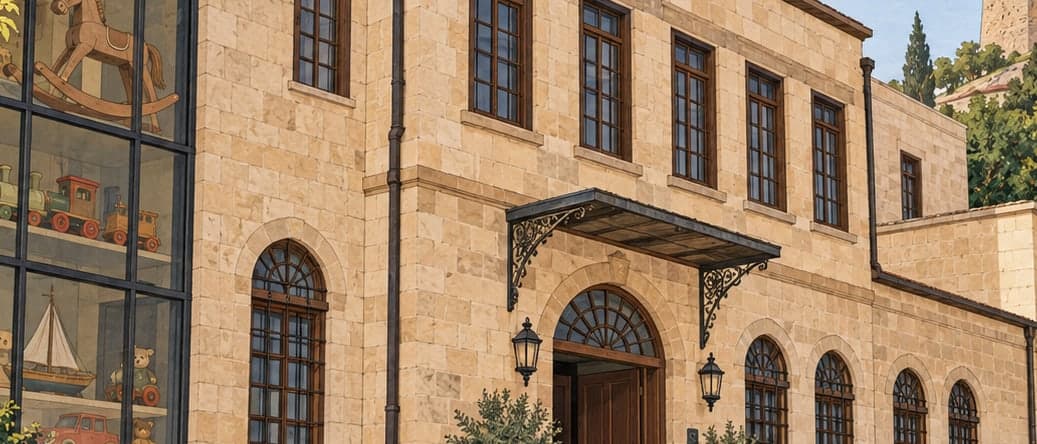
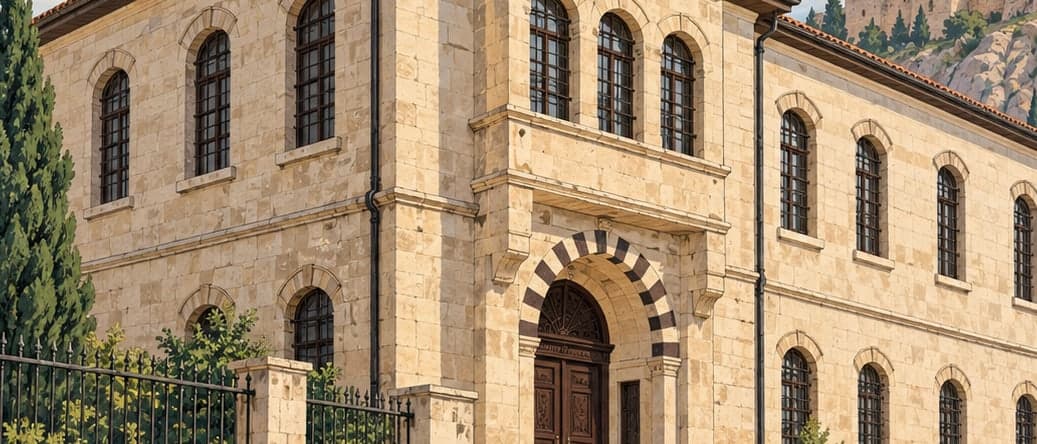
The museum is in three parts. The first holds the mosaics from Zeugma and the surrounding region; the second, church mosaics of the 5th and 6th centuries; the third is administration and conference space. Allow more time than you would for a single-gallery museum — the first two sections alone are the size of a small excavation.