Guide
Dülük lies ten kilometres north of Gaziantep, and its earliest known settlement is dated to 600,000 years ago. The site falls into two parts, the ancient city and the sanctuary. The ancient settlement lies underground at and around Keber Tepesi, immediately north of Dülük village; the sanctuary is about three kilometres north of the village, on Dülük Baba Tepesi.
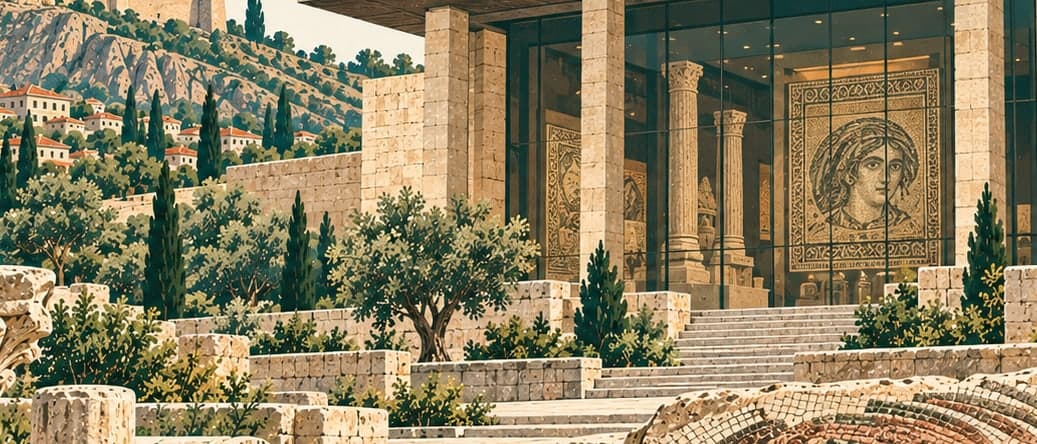
The temple of Mithras at Dülük was uncovered in 1997–98 in excavations run jointly by the Gaziantep Archaeological Museum and the University of Münster. The portal describes it as the first underground temple of Mithras found in Anatolia. It has since been laid out with lighting and walkways by the Şehitkamil municipality and the museum.
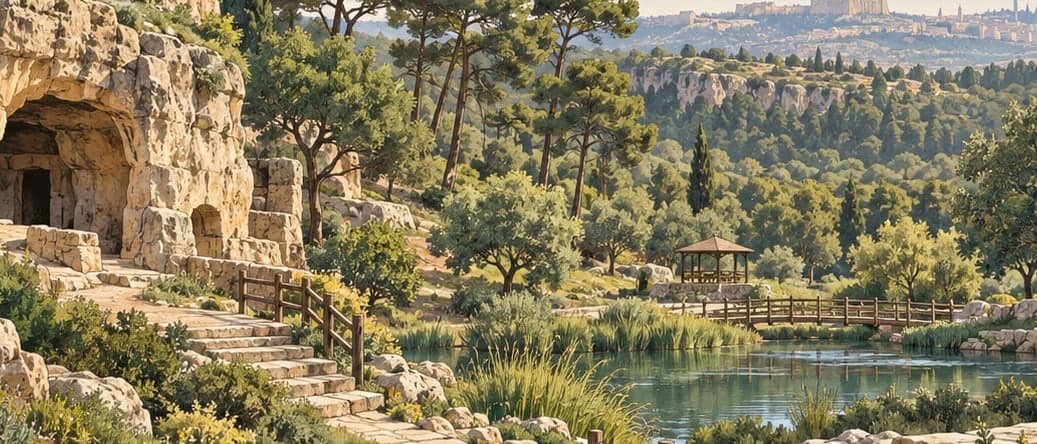
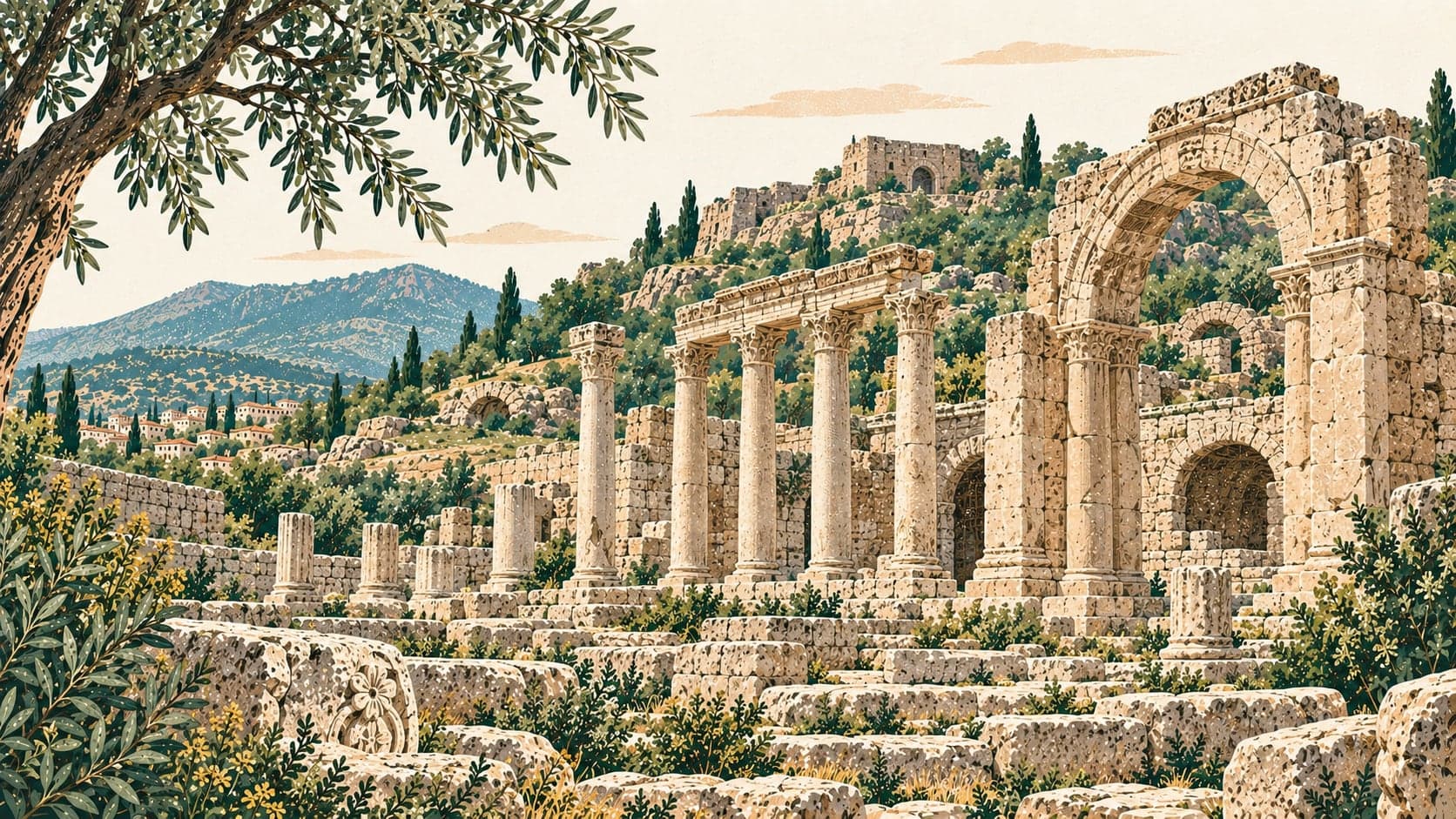
The ridges facing Keber Tepesi are the necropolis of the ancient settlement, holding a great many chamber tombs cut into the rock, with sarcophagi inside them carrying reliefs on religious and mythological subjects.
Scientific excavation on Keber Tepesi has produced flint tools of the Lower Palaeolithic and the workshops where they were made. Şarklı Mağara, used for shelter in the same period, is likewise dated to around 600,000 BC. In the Byzantine period Dülük carried on the status of a sacred city it had held since the Hittites, now as an archbishopric. It was heavily damaged after the Islamic raids, and when the archbishopric was moved to Zeugma in the seventh century it lost its position as a religious centre.