Guide
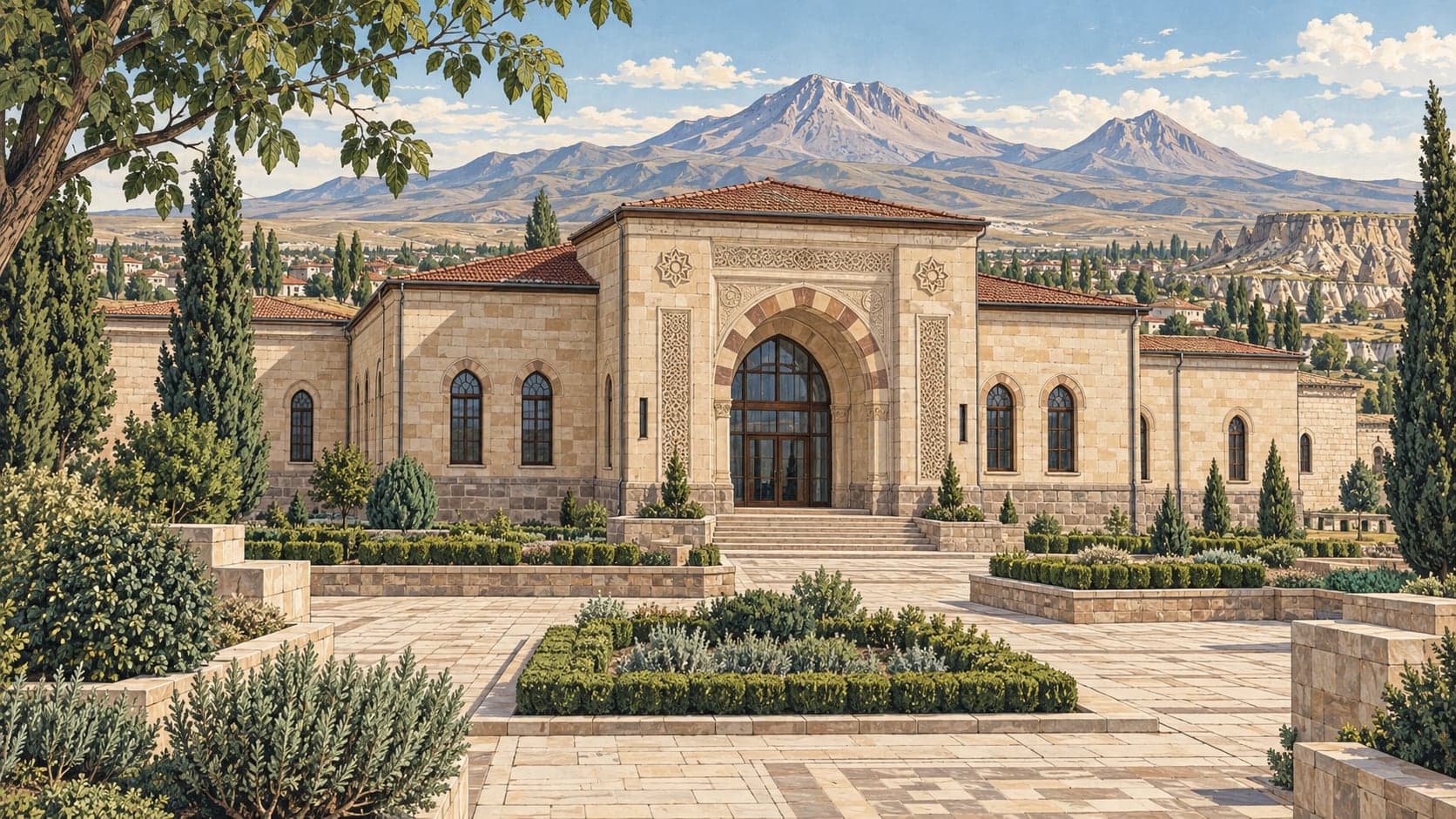
The Aksaray Museum was founded in 1969 in the Zinciriye medrese, with material gathered from the area around. As excavations went on at Acemhöyük, Aşıklı Höyük, Musular and Güvercinkayası, a new building became necessary, and one was put up in 2004. What is shown runs from the aceramic Neolithic to the Ottoman period.
The stone tools, obsidian weapons and bone implements of the Neolithic come from the excavation at Aşıklı Höyük, where a necklace of agate found as a grave offering is among the notable pieces. Neolithic pottery and stone tools came from the excavation at Musular. Güvercinkayası is a site of the late Neolithic and early Chalcolithic, and besides pottery and tools it has yielded stamp seals.
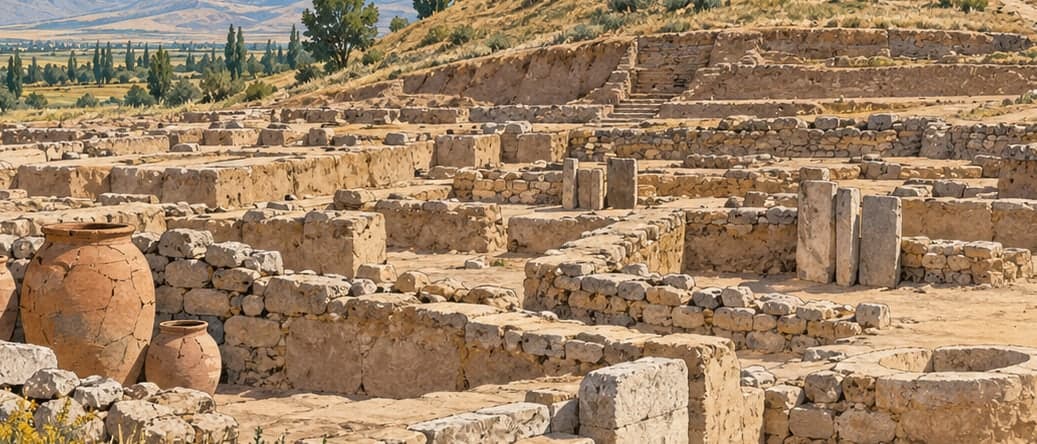
The Early Bronze Age material is made up of finds from Acemhöyük together with vessels from Darboğaz that were bought for the museum. The material of the age of the Assyrian trading colonies — pottery, seals, seal impressions and objects of various kinds — all comes from the excavations carried out at Acemhöyük since 1989.
The Hittite works consist of seals, bronze weapons and pottery acquired by purchase, and the lower part of a stone stele of the Late Hittite kingdom is kept here. The Phrygian period is represented by a bronze cauldron. The Greek, Hellenistic and Roman material takes in pottery and glass along with gravestones, stelae and architectural pieces in stone.
Mummies of the nineteenth century found in the Çanlı Church belong to the Christian population of the Ottoman period. Seljuk and Ottoman pottery and gravestones from the excavation at the Hankah are also among the important pieces. The ethnographic material is displayed on the upper floor.
The museum has some six hundred square metres of display space and holds in the order of sixteen thousand objects, acquired by purchase, by gift and through the archaeological excavations carried out within Aksaray province. The coin section holds gold, silver, bronze and copper coins of the Greek, Roman, Eastern Roman and Islamic periods. The ethnographic section holds 584 items gathered from around Aksaray: clothing such as the three-panelled dress, the bindallı gown, the short jacket and the kaftan, along with ornaments, carpets, socks, purses, swords and weapons.
Most of the works displayed in the garden are Byzantine, with a few Seljuk pieces among them.