Our compilation for Erzurum, not an official route, and it splits between the city and the valleys to its north.
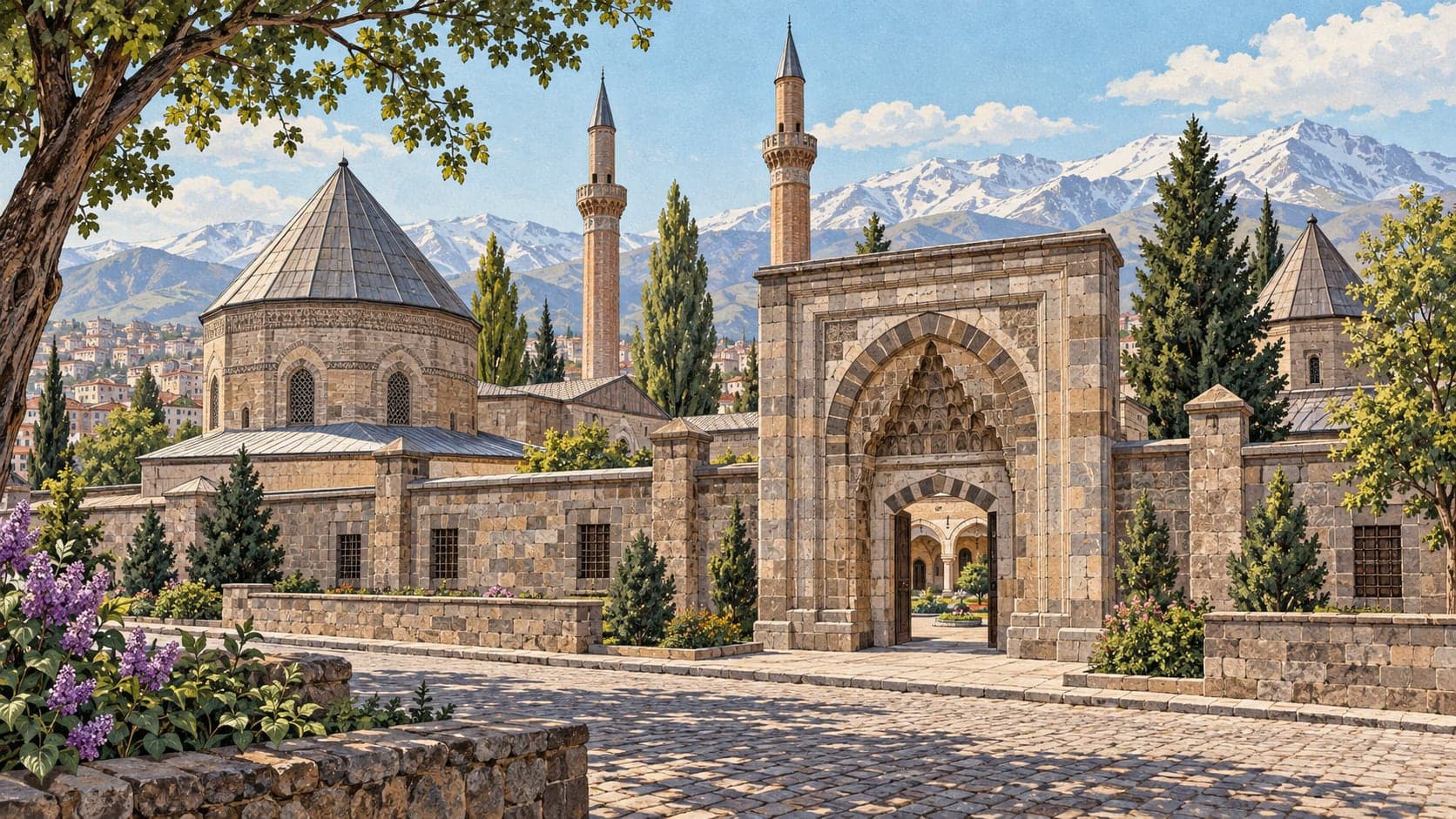
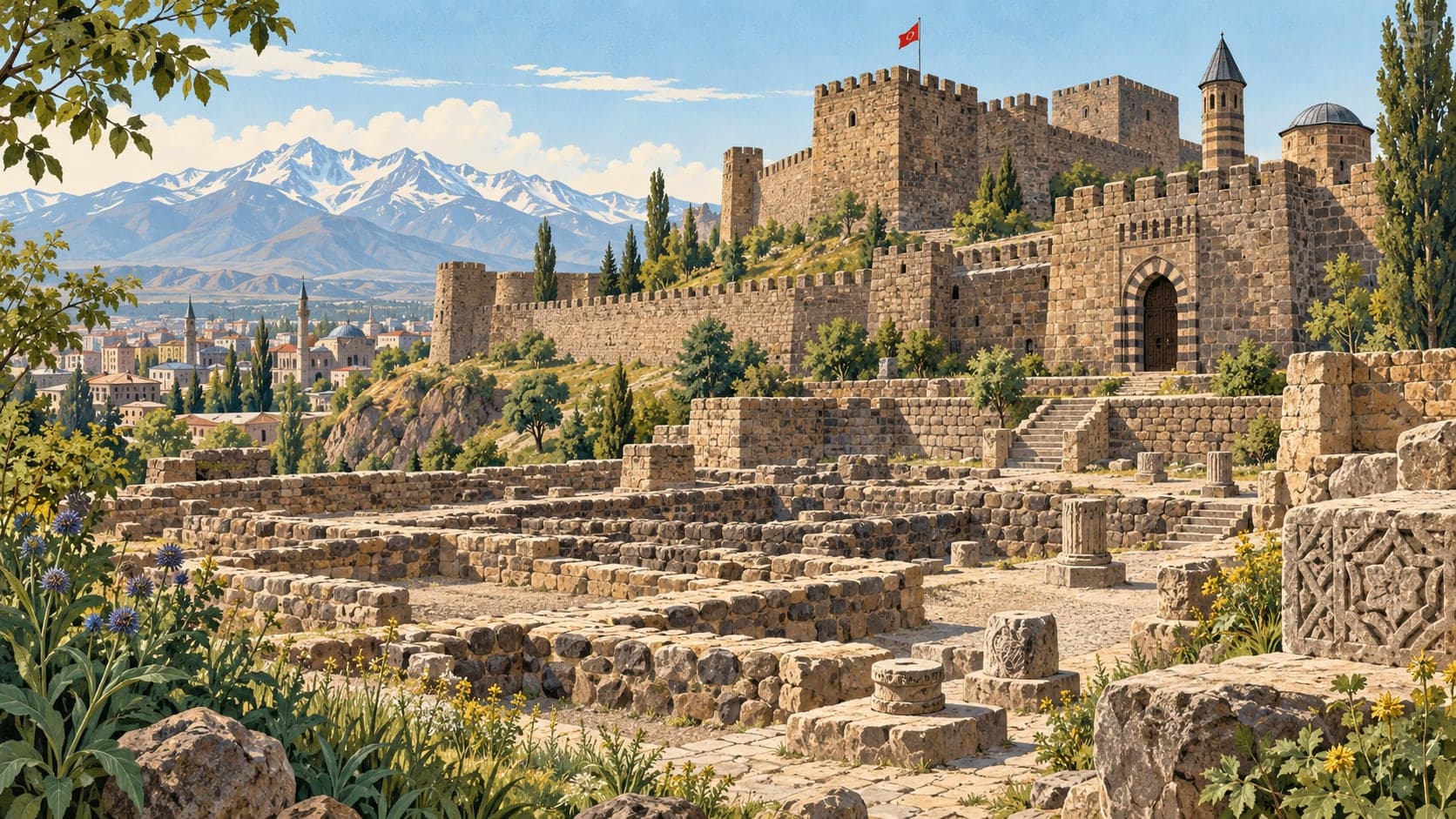
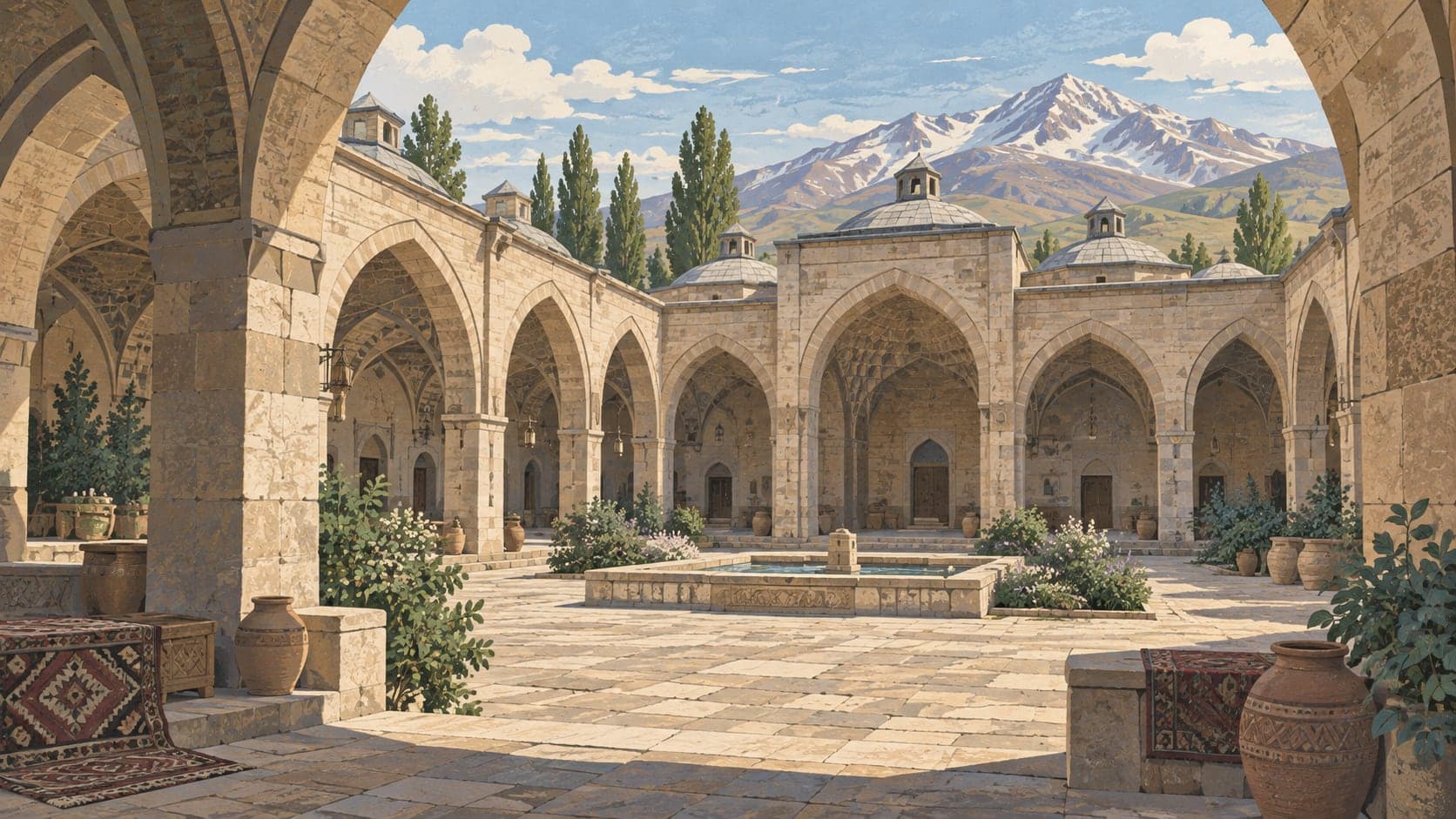
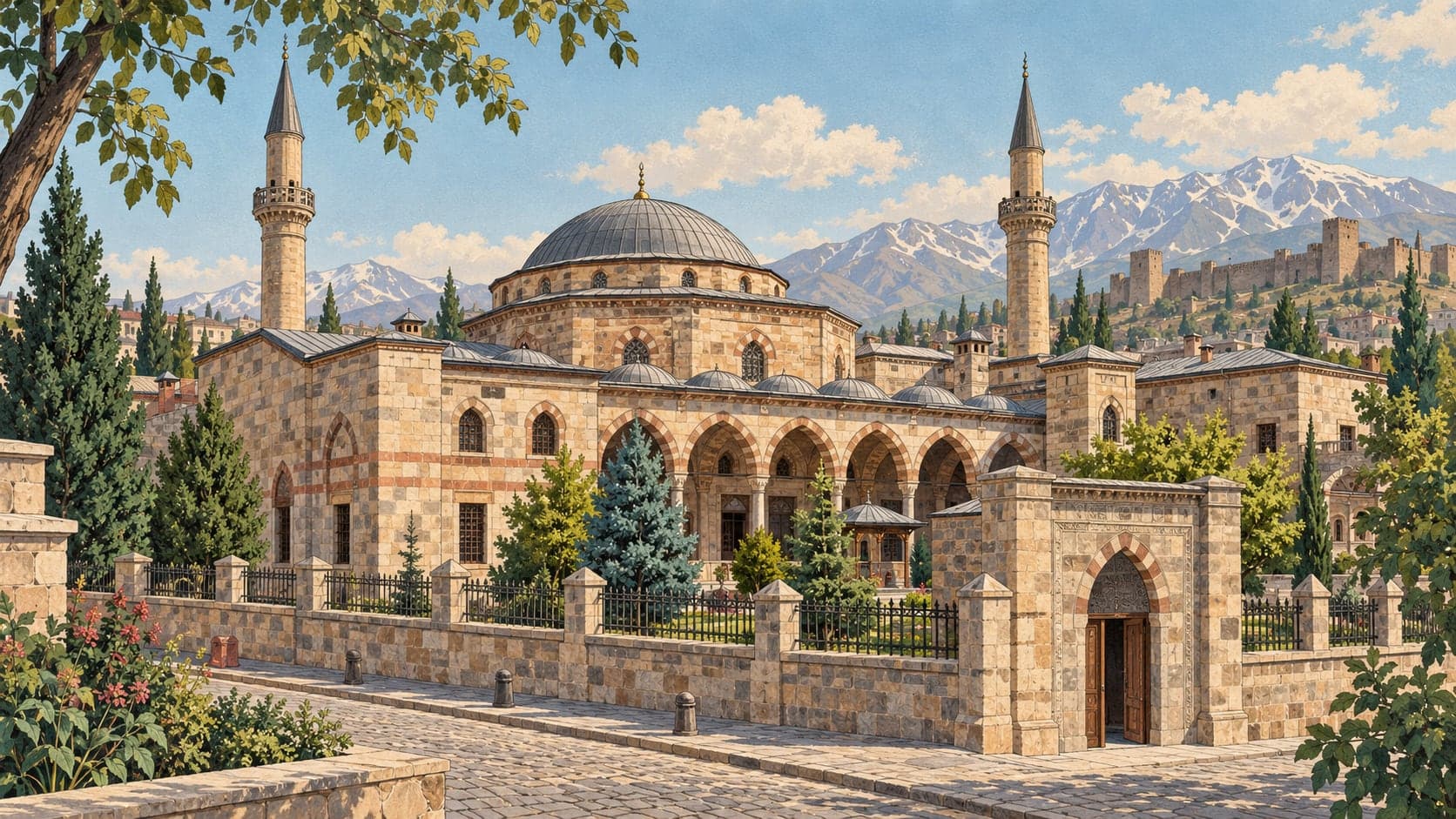
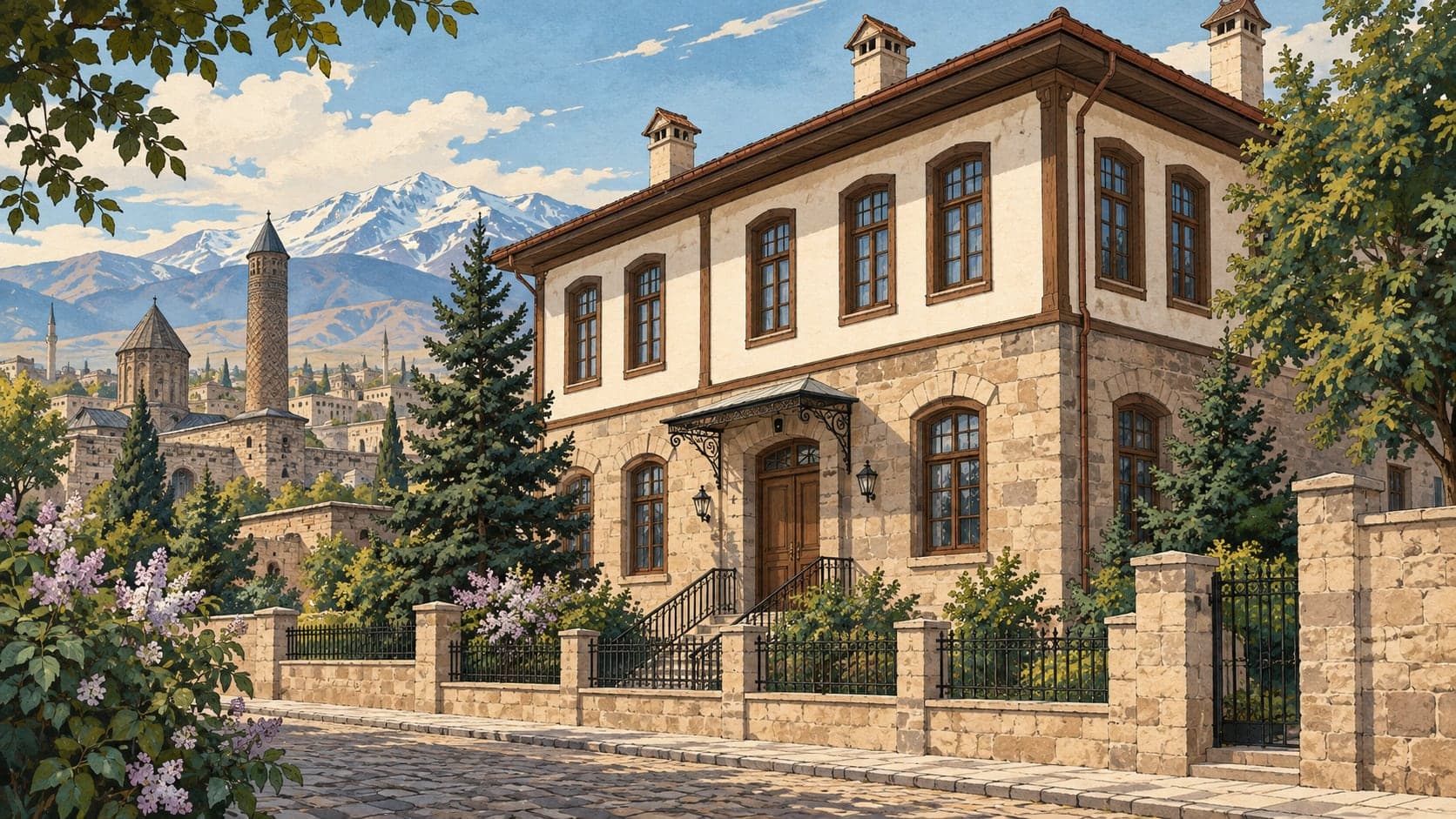
In the centre almost everything stands within a few hundred metres. The Yakutiye medrese of 1310, the largest closed-courtyard medrese in Anatolia, holds the museum of Turkish-Islamic works and ethnography — our inventory carries it as two records rather than one, and they are a single visit. Beside them are Erzurum castle and the Rüstem Paşa caravanserai, known as the Taşhan, whose inscription calls the building a ribat because Erzurum was a frontier city. The Atatürk House Museum is a short step further: the place where the Erzurum Congress was actually prepared, over fifty-two days in 1919.
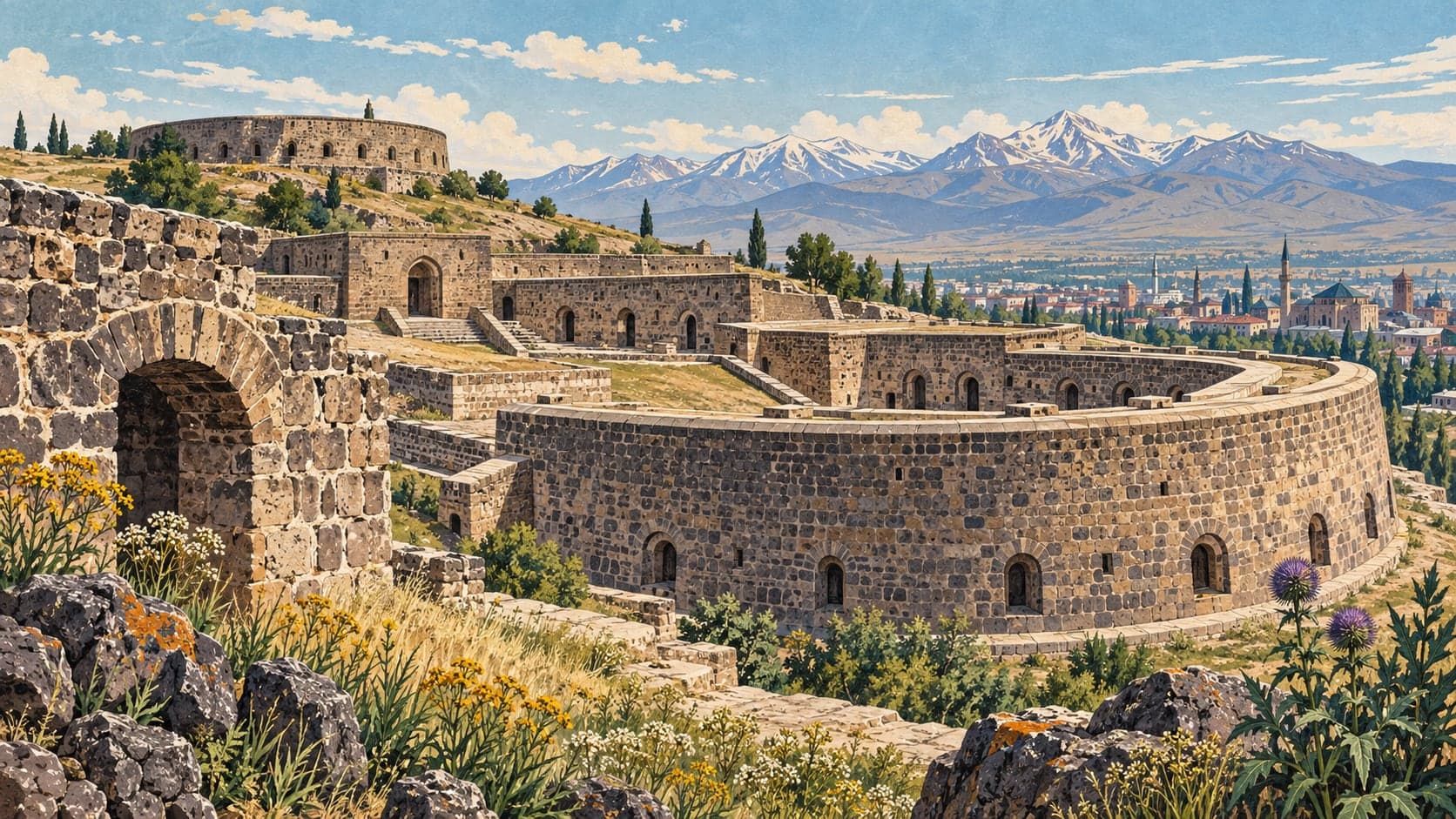
The forts ring the city on the hilltops around it, built against Russian raids and invasions from the beginning of the nineteenth century; they are their own half-day and not an errand to fit between two museums.
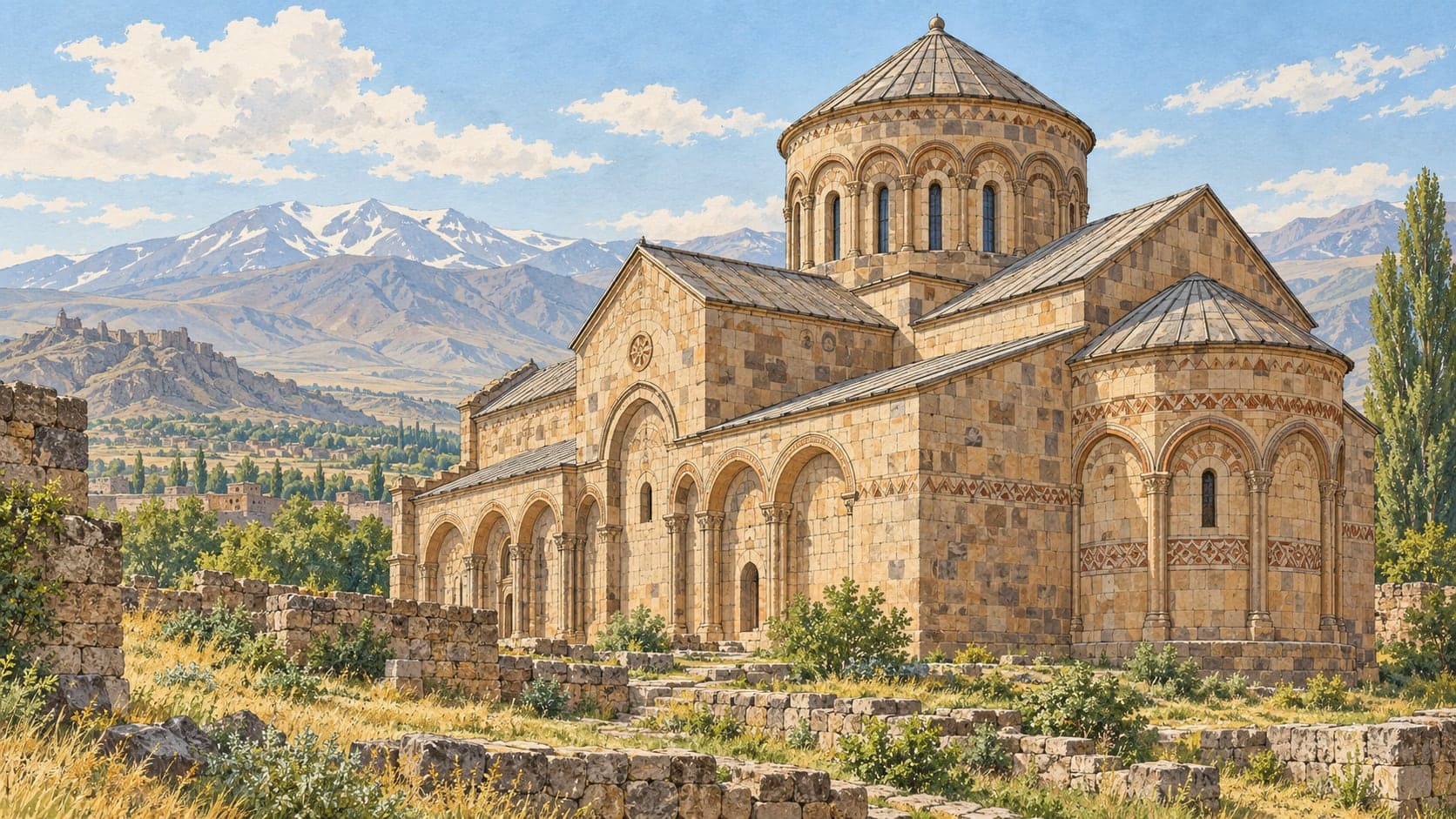
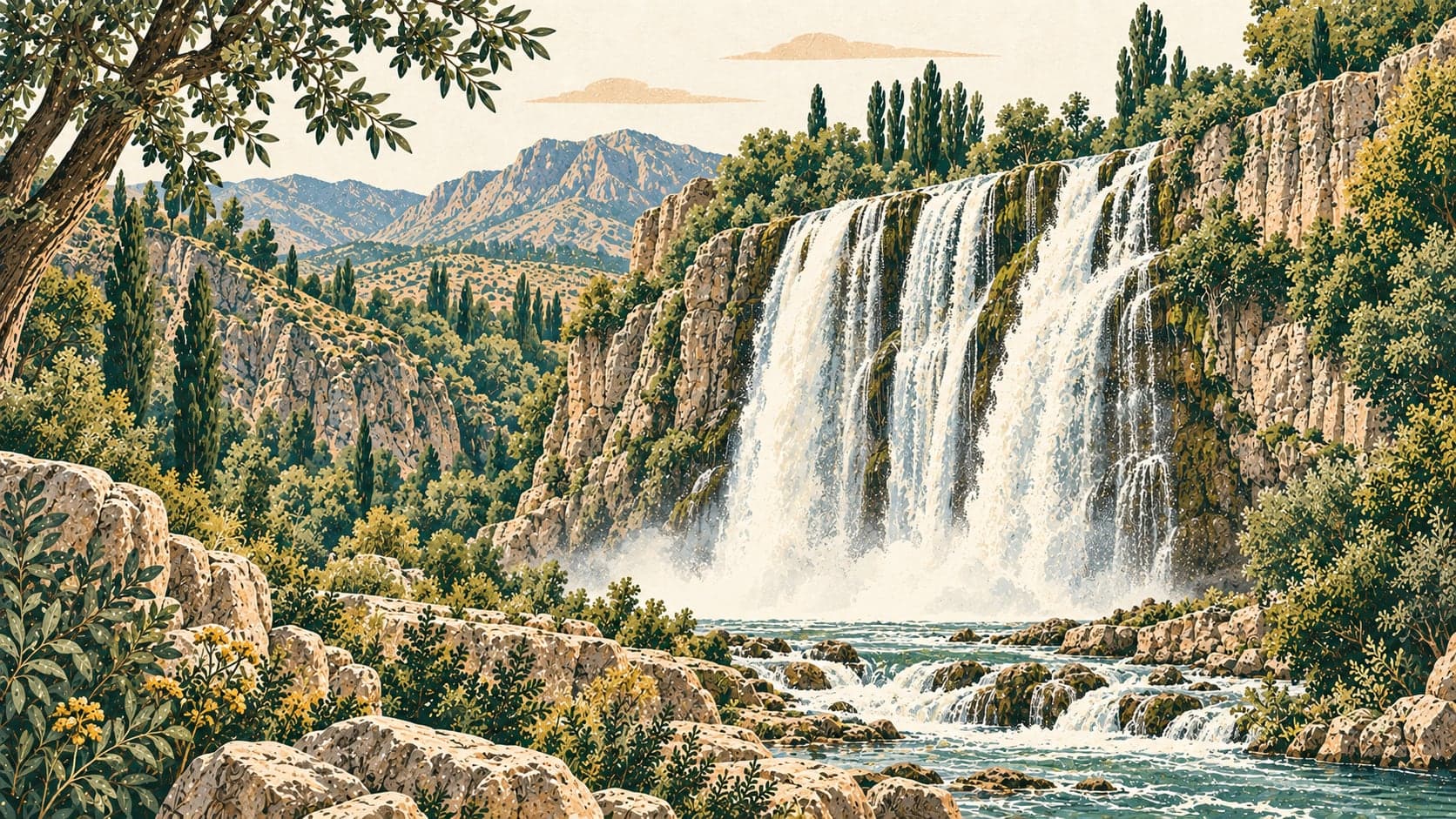
North of Erzurum the route stretches out. The castle at Oltu stands above a pass at the meeting of two streams; the Tortum falls were made in the eighteenth century when a landslide blocked the stream; and Öşvank, at Çamlıyamaç in Uzundere, is a tenth-century Georgian Bagratid church known for its coloured stone ornament and its relief figures. These three run in a line and belong together. What each place is, and who says so, is on its own page.