Guide
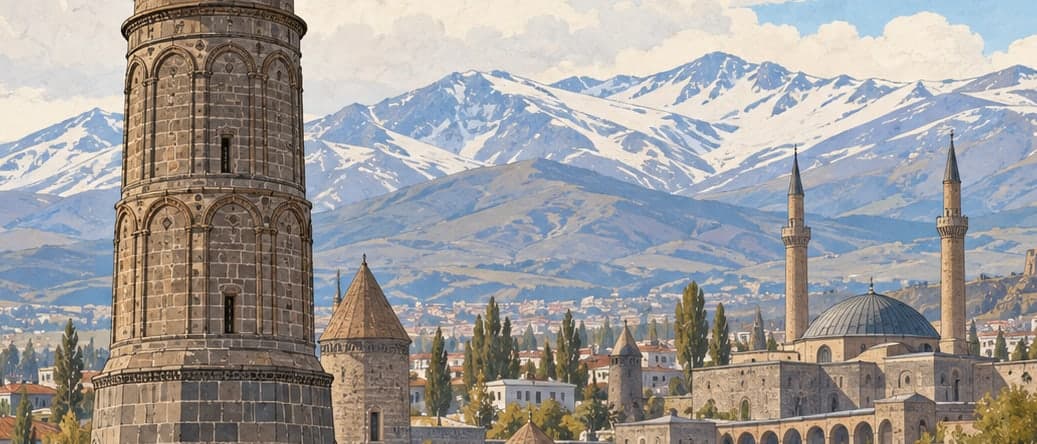
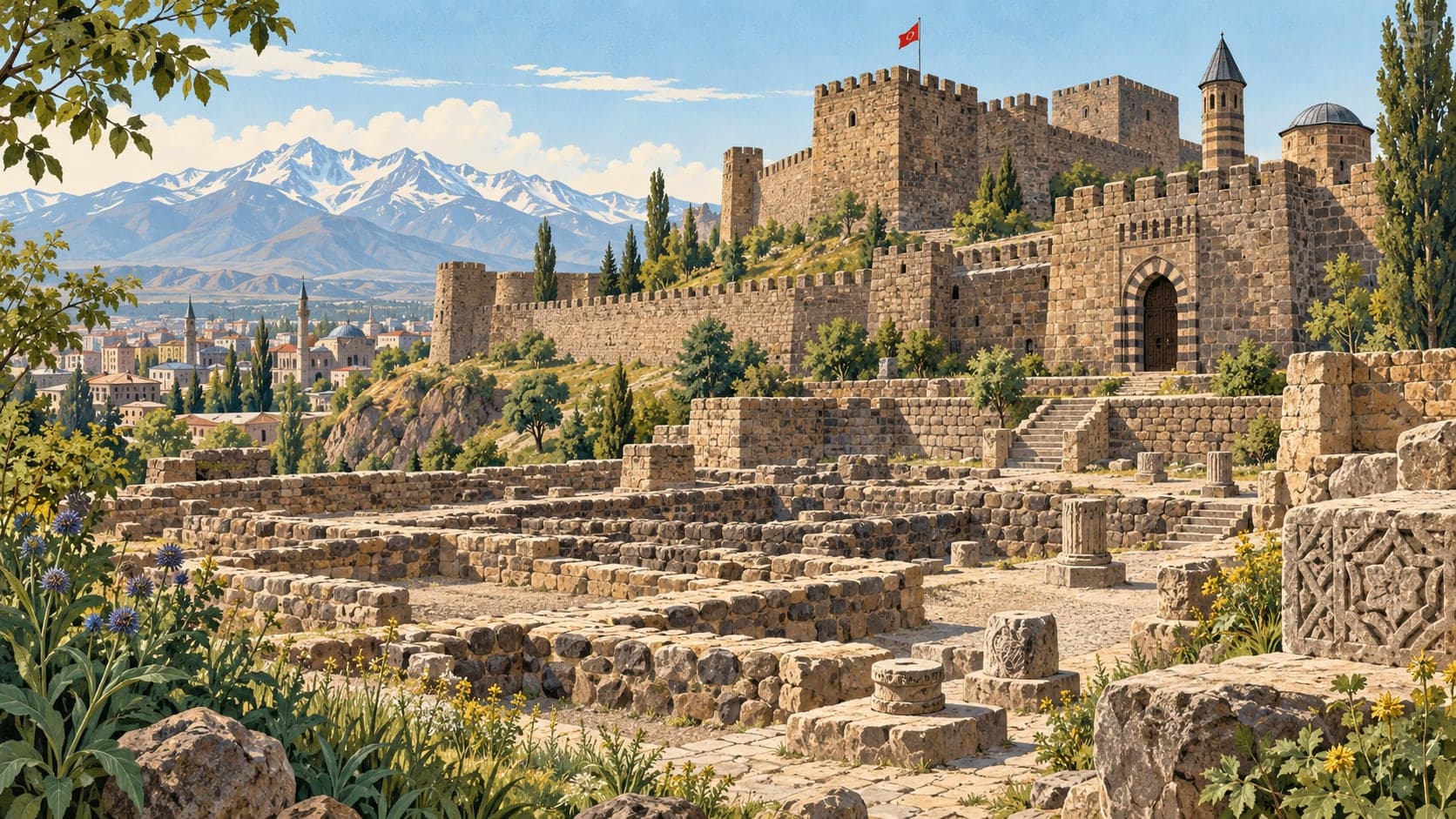
The history of Erzurum castle reaches back some 2,500 years, to the Urartians who held this region. When it was first built is not known; the construction is thought to date from the 5th century AD. The castle had two parts — an inner citadel holding the garrison that secured the city, and an outer castle enclosing the streets and neighbourhoods where people lived.
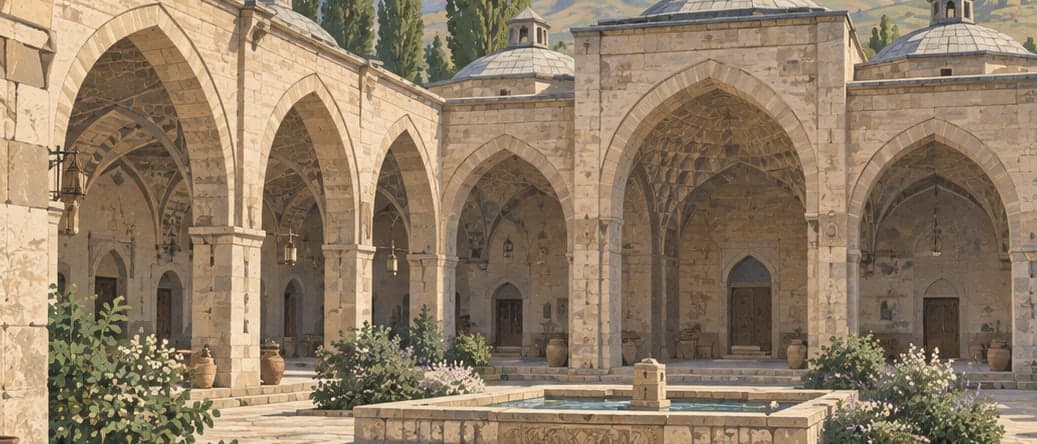
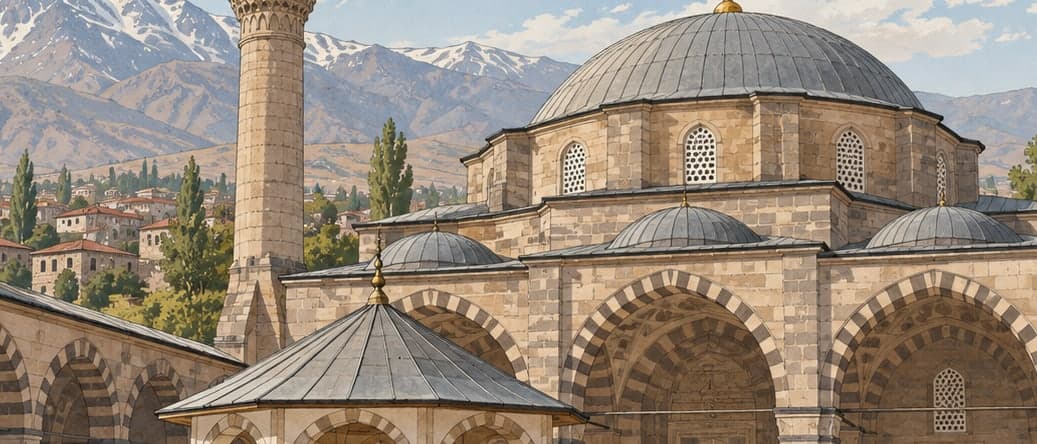
The inner citadel that survives today was built in 415 by the Byzantine emperor Theodosius. In its courtyard stand a brick bath and a series of rooms. In the Ottoman period a mosque was added against the north wall of the citadel, and the Kırklar tomb, the tomb of Abu İshak-i Kâzerûnî and the Ali Ağa fountain were added to the same group of buildings.
Of the outer castle little is left: its walls have largely collapsed, and what is known of it now is mainly the names of its four gates — the Tabriz Gate, the Erzincan Gate, the Georgian Gate, and the later İstanbul Gate and Yeni Kapı. The castle was repaired in various periods, most recently twice: under Suleiman the Magnificent in the 16th century and under Mahmud II in the 19th. It stands where the Tebriz Kapı quarter meets Cumhuriyet Caddesi in the centre of Erzurum, within walking distance and served by public transport from anywhere in the city.