Guide
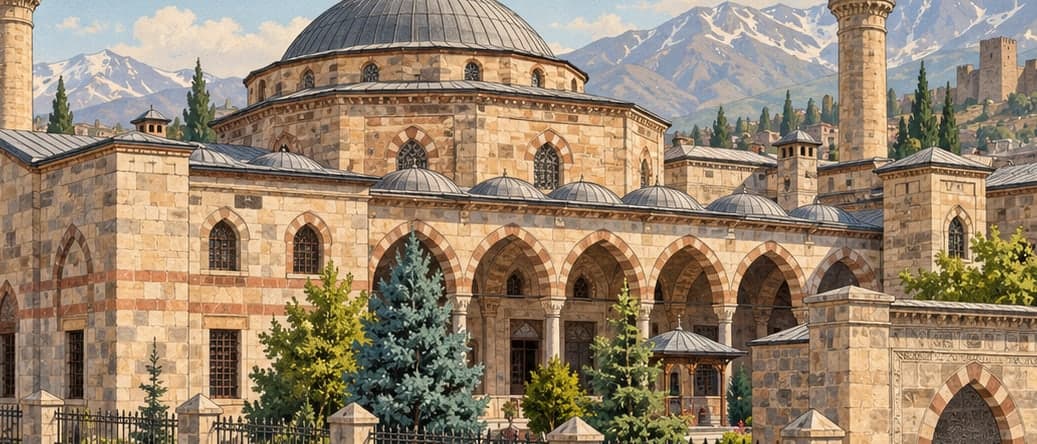
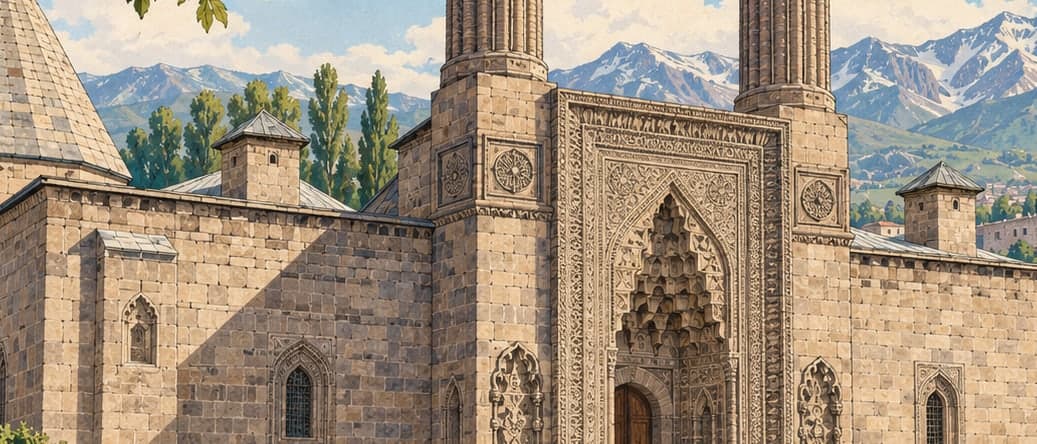
This is the first mosque built in Erzurum in the Ottoman period. Lala Mustafa Paşa — commander under Süleyman the Lawgiver, conqueror of Cyprus and later grand vizier — had it built in 1562 while serving as governor-general of Erzurum. The work is Mimar Sinan's. A palace and a primary school stood beside it; neither has survived.
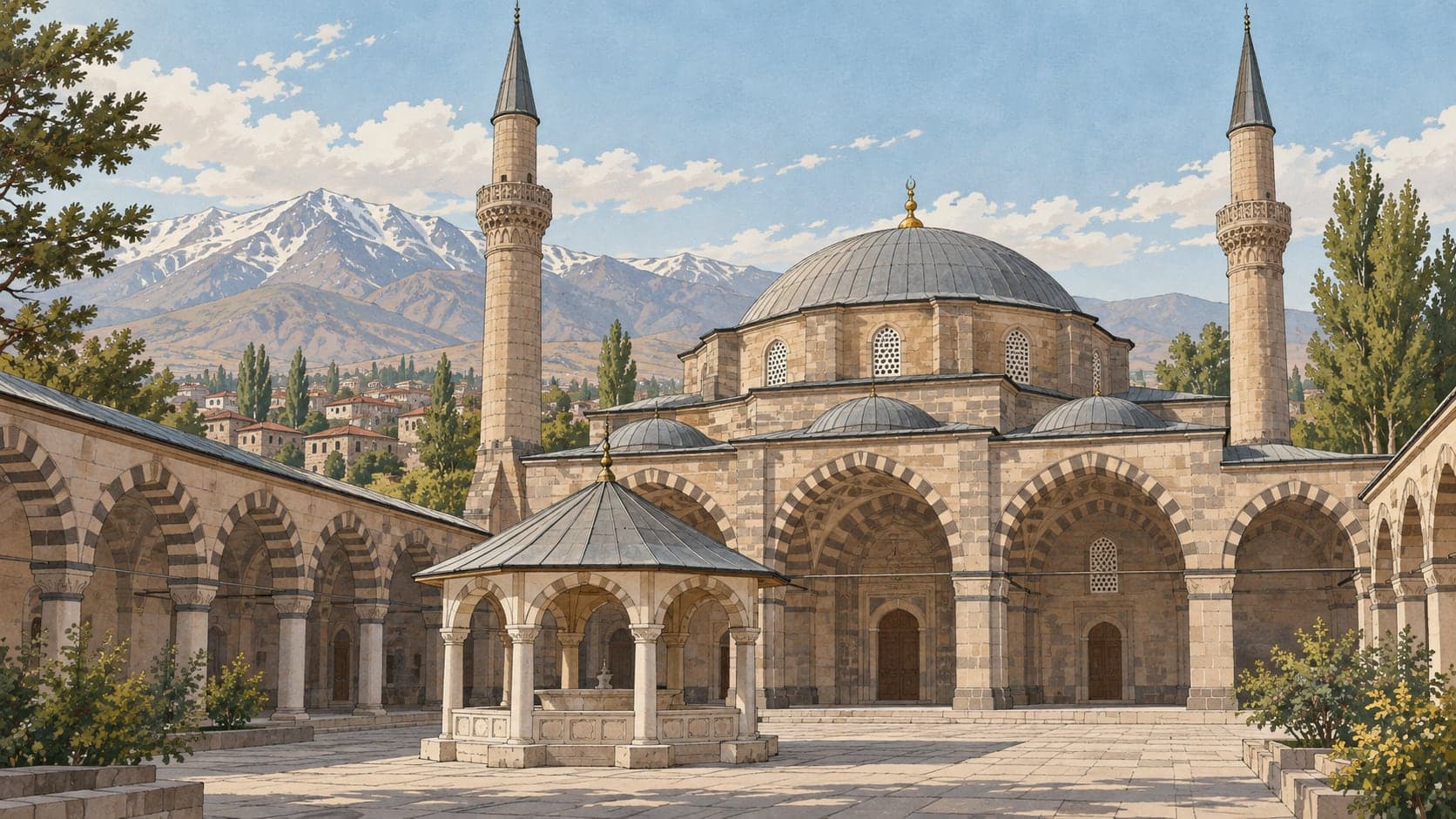
The mosque follows the plan type used in the İstanbul mosques such as Şehzadebaşı, Sultanahmet, the Yeni Cami at Eminönü and Yeni Fatih, but at a considerably smaller scale. A central dome on four piers stands at the middle, with half cross vaults supported by pointed arches on all four sides and four small domes at the corners. Twenty-eight windows in two rows light the interior.
The tiles above the tympana of the lower windows were damaged by bullets fired during the Russian occupation of the city. The mosque's inscription is above the mihrab, which is round and worked with muqarnas, and the hadiths in the windows are fine examples of calligraphy.
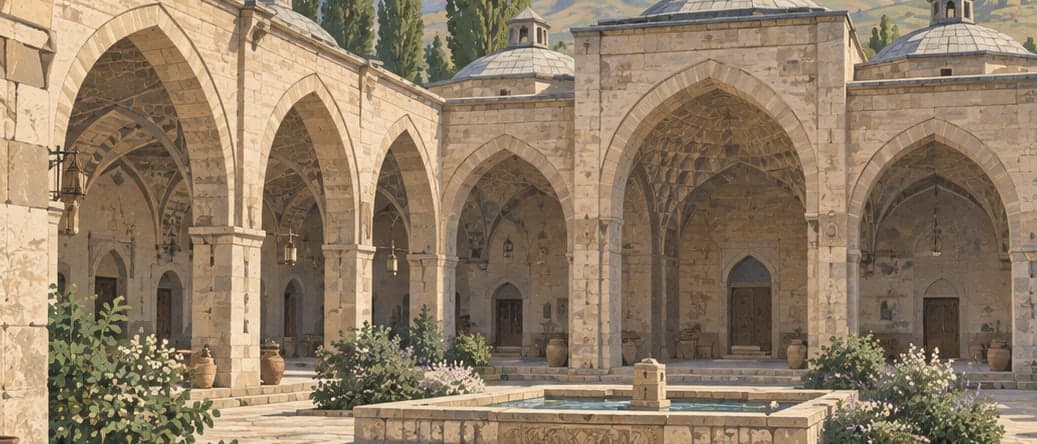
The minaret stands on a square base with a round shaft and a single balcony, built of white stone and decorated with bands of red. In the courtyard is an octagonal ablution fountain of wood under a conical roof, its columns very finely carved. Above the western mihrab niche in the porch, an imperial decree is written on marble panels in the shape of an inverted T; issued in 1670, it records that Mehmed IV granted the people an exemption from taxes. The porch is domed throughout and opens to the front and sides through pointed arches.