Guide
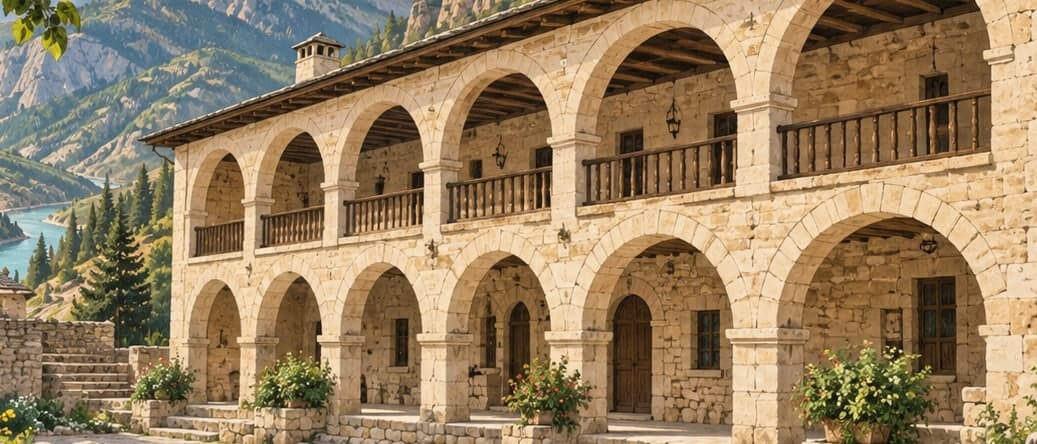
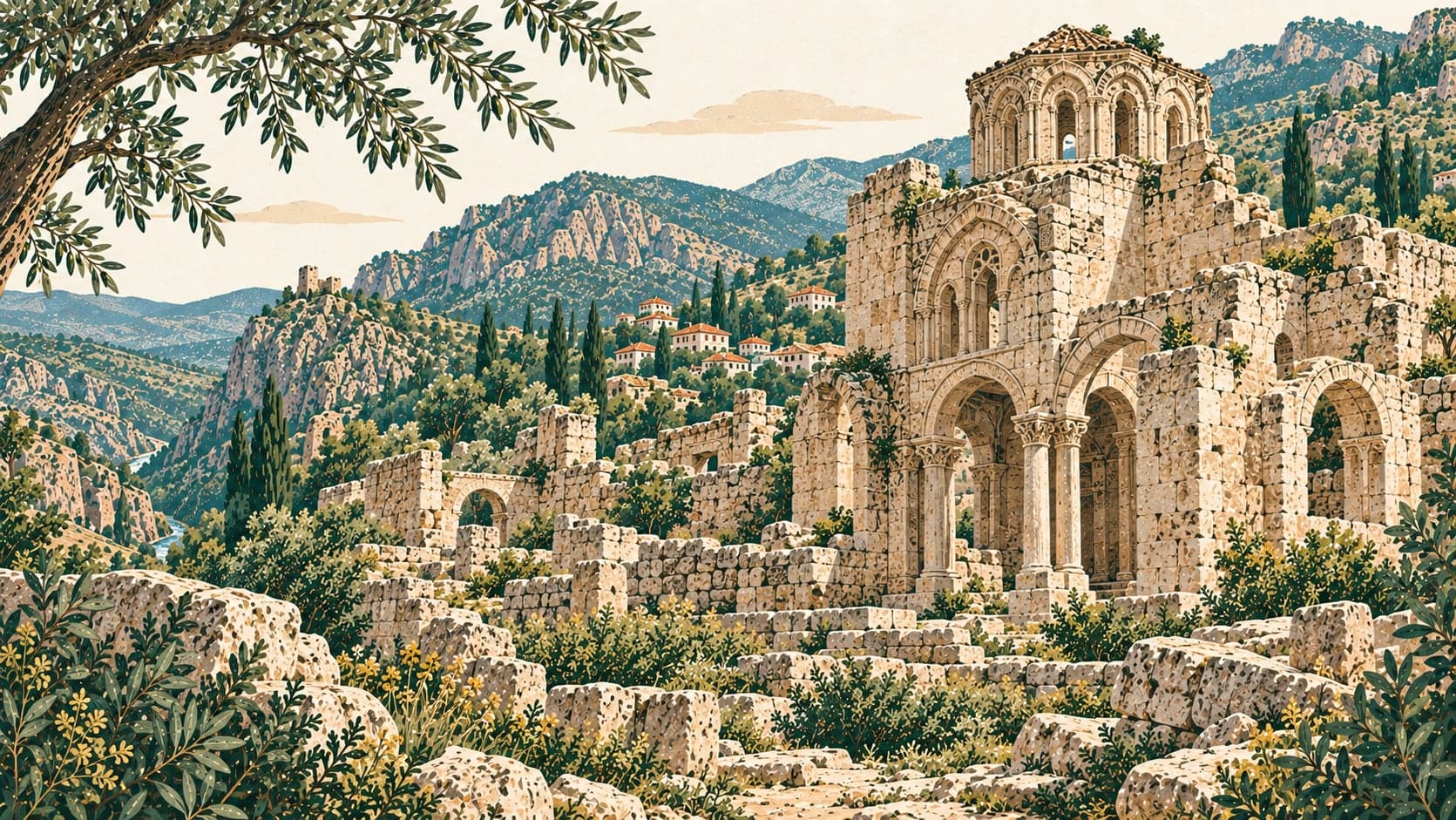
Santa is an abandoned settlement in the Yanbolu valley, about 47 kilometres inland from the Black Sea coast and 1,600 metres above sea level, in what is now the village of Dumanlı and its quarters within the central district of Gümüşhane. It was a place of mining in the Ottoman period. Mountains ring it — Ziyaret and Karakaban, and heights above 2,000 metres such as Zincirli, Kilisesırtı and Uzunsırt — and the valley of the Yanbolu stream, which runs north into the Black Sea, is the only road through it open all year.
The settlement was laid out over three separate slopes, each in sight of the others and divided by the valleys where the Yanbolu rises, and it held seven quarters. Santa's position mattered for more than its mines: it lay on the Bayburt–Trabzon stretch of the Silk Road, commanding the Taşköprü–Sümela–Maçka line.
Research on the region holds that the first settlements were founded in the Middle Ages on the working of the mines, and it is very likely that Santa has an older past than that. Between 1461 and 1476, in the reign of Mehmed II, the district was conquered along with the whole of Trabzon and the eastern Black Sea and joined to the Ottoman empire. From 1500 to 1800 it was an important mining settlement.
Its decline began in the nineteenth century. When the mines closed and the privileges granted to miners were withdrawn, people began leaving Santa and the country around it for neighbouring settlements, Trabzon above all, and even for Russia — Batumi, Tbilisi, Armenia and the region around them — and the population fell quickly. With the Muslim–Greek population exchange of 1923 the whole of the Greek population of the area, which was entirely Orthodox Christian, was moved to Greece and Santa was emptied. The land and buildings left behind were sold by the treasury to inhabitants of the surrounding villages, who settled here.
Today Dumanlı is a settlement of some three hundred summer houses used for pasturing by people from certain villages of the Arsin and Araklı districts. It is used only for stock-raising, and just one household lives there through the year.
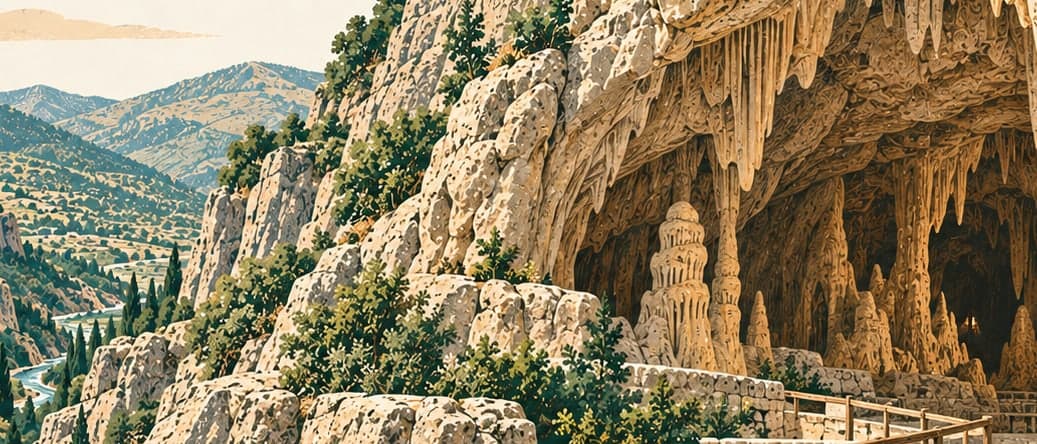
The setting is severe. Heavy winter conditions hold in the basin for at least six months of the year, and spring and summer are generally misty and wet; the abundant rain feeds a great many springs. The valley slopes are covered in coniferous forest up to 1,700 or 1,800 metres, with spruce forest from 1,500 metres and alpine meadows above about 1,600 to 1,800. Until the nineteenth century the ground above the treeline was covered with fields growing barley, wheat, rye and oats.