Guide
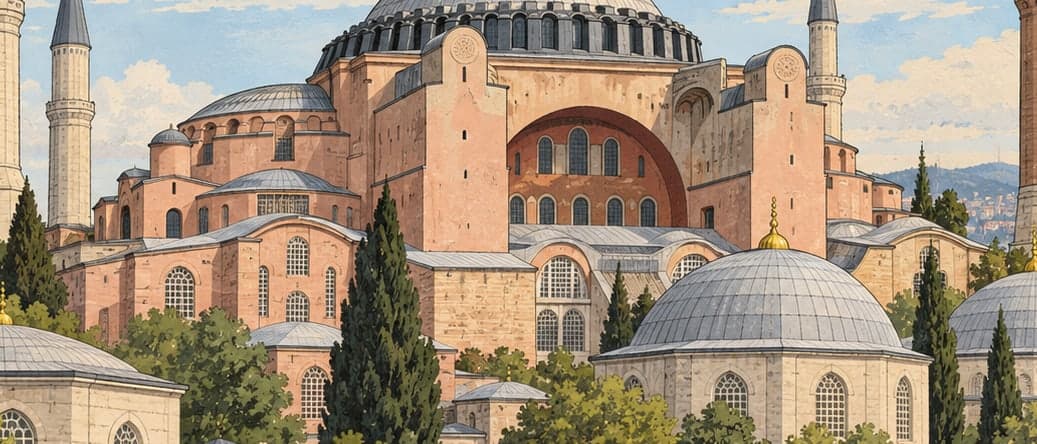
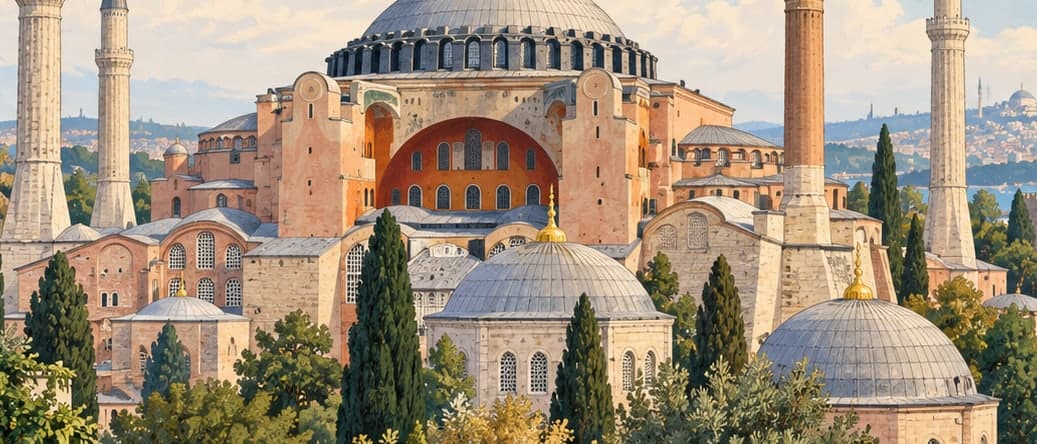
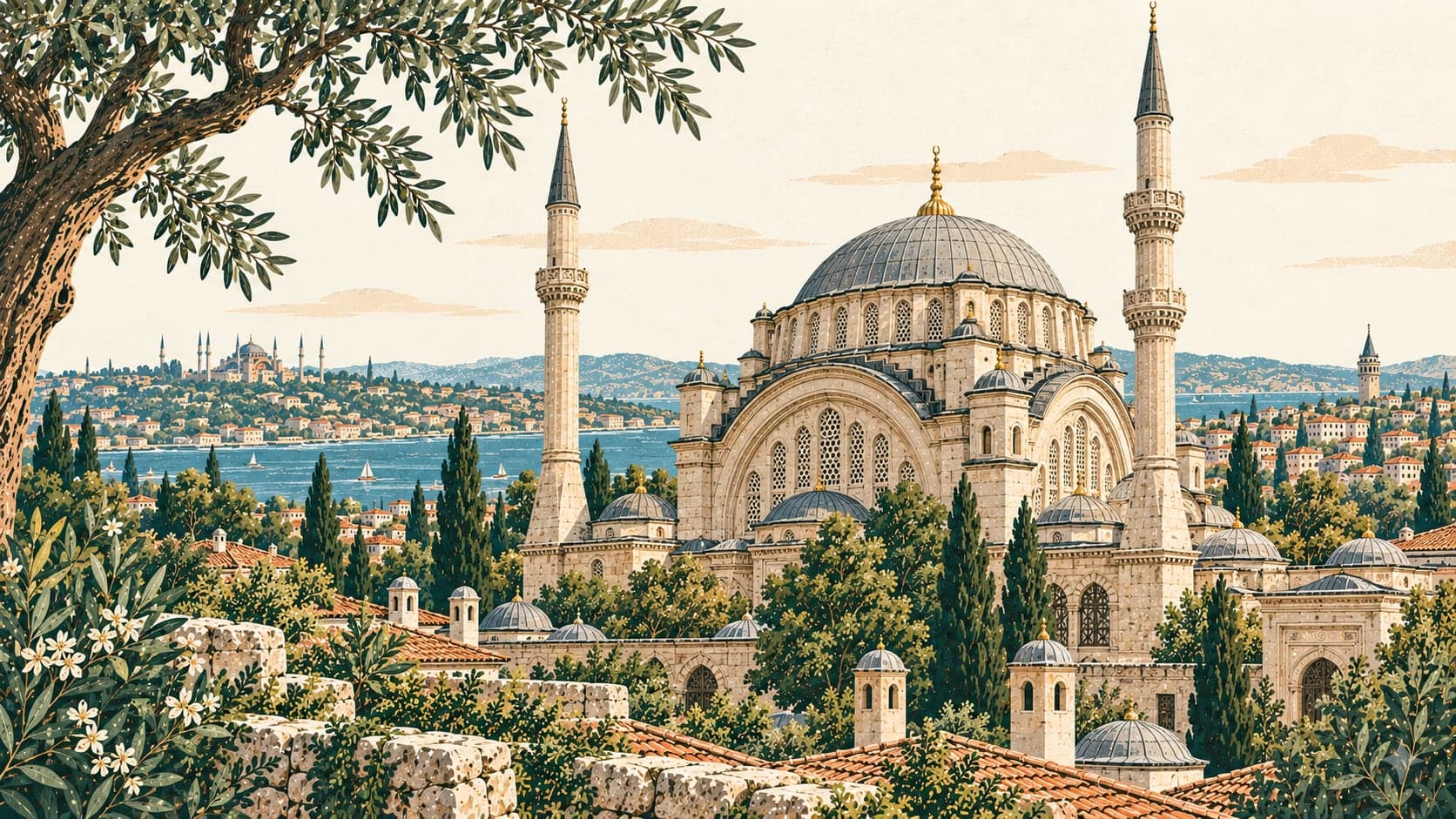
The Nuruosmaniye Mosque is the first mosque built in İstanbul in the baroque manner. It stands in the Çemberlitaş quarter at the entrance to the Grand Bazaar and was built between 1748 and 1755. Appearing at a time when the turn towards the West was beginning to show itself in architecture, the mosque and its complex are counted a turning point in Ottoman building.
A small mosque belonging to Fatma Hatun, wife of the Ottoman şeyhülislam Hoca Sâdeddin Efendi, stood on the site before. When it began to fall into ruin, building of the mosque began in its place by order of Mahmud I. The work was carried out by Mustafa Ağa and his assistant Simeon Kalfa, and was completed after Mahmud's death in the reign of his brother Osman III, who ruled for three years, under the name Nur-u Osmani, the light of the Ottomans. The name is said to come both from Sultan Osman III and from the light within the mosque.
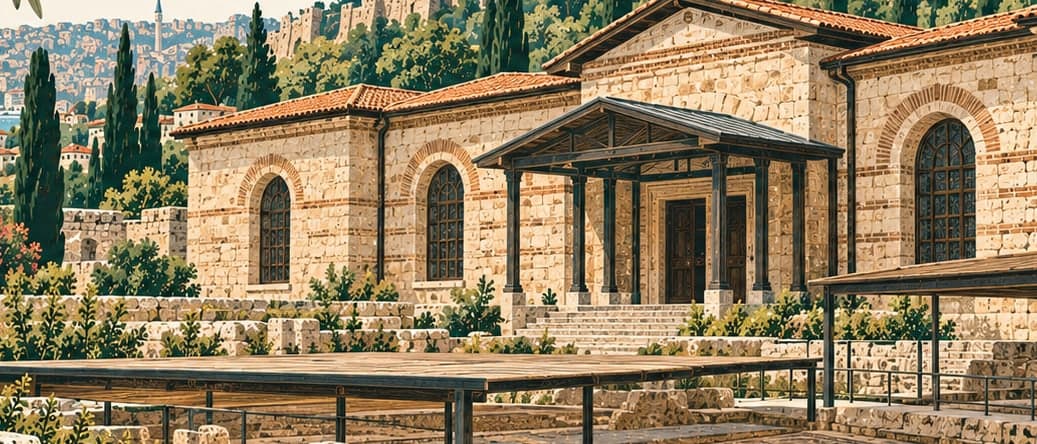
The complex built with the mosque holds a medrese, a soup kitchen, a library, a tomb, a fountain and a public fountain, with several shops around it belonging to it as well. The influence of the baroque can be seen in the library, the tomb and the two fountains.
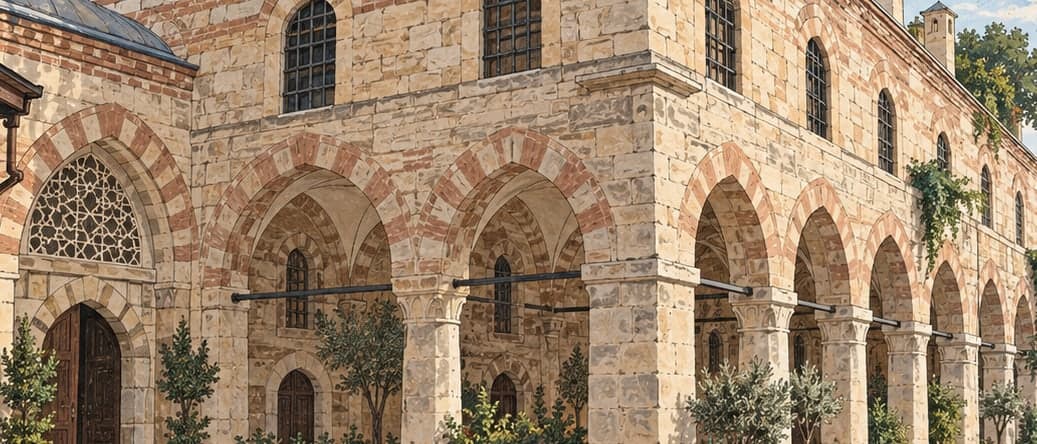
The mosque is entered from two directions up high marble stairs. It is built on a square plan, and the prayer hall is covered by a single dome. On either side is an arcaded corridor, each with a door into the prayer hall.
The main dome is twenty-six metres across with thirty-two windows around its skirt — one of the largest domes used in Ottoman mosques — and is carried on arches resting on the walls. The Sura of al-Fath is written as a band where the dome arches meet the wall, and the thirty-fifth verse of the Sura of al-Nur, which says that God is the light of the heavens and the earth, appears in the dome.
The mosque is lit by 174 windows in five tiers, made of plaster in the baroque manner. The five-domed porch is U-shaped. The calligraphy is the work of Rasim, Abdülhalim, the illuminator Ali and Mehmet Refi Efendi.
The gallery floor is reached by marble stairs on either side of the main entrance, and its balconies run along the two corridors on the east and west fronts. The sultan's gallery lies at the end of the eastern corridor, with a ramped entrance from outside that allowed the sultan to enter the mosque on horseback; it now serves the Eminönü mufti's office.
The two minarets attached to the building each have two balconies and stone caps. This was the first mosque in which stone finials were used in place of lead.