Guide
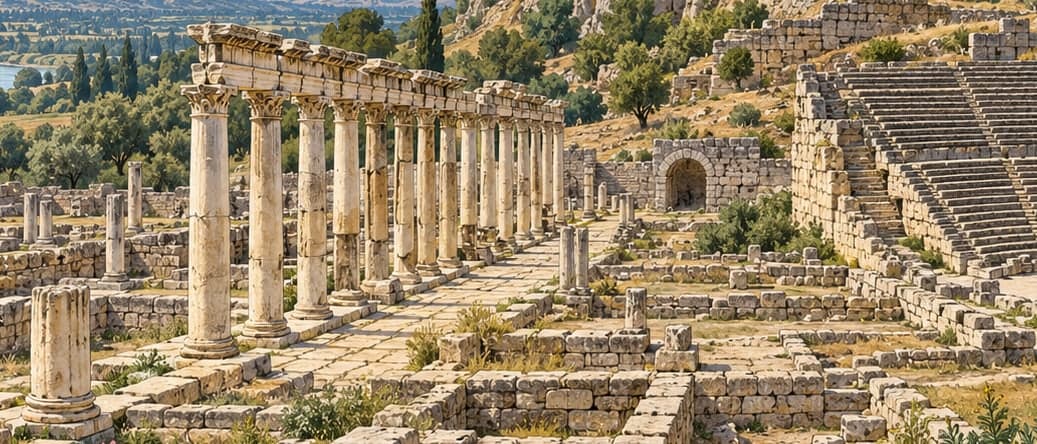
Karatepe-Aslantaş stands inside the Karatepe-Aslantaş National Park in the Kadirli district of Osmaniye, 33 kilometres from the city. Excavation beginning in 1947 uncovered two great gates of a late Hittite fortress, a road axis running between them, and the rooms, sculptures and archaeological remains along its sides. It opened as the first open-air museum in Türkiye, and because the surrounding natural forest was taken under historic national park protection at the same time, the remains are shown in their own landscape rather than removed from it — conserved and managed where they stand.
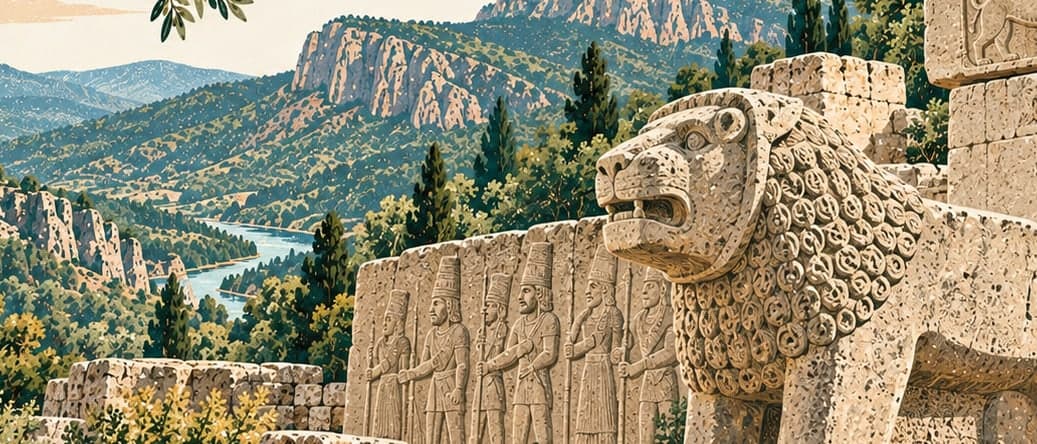
The fortress was built in the 8th century BC by Azatiwatas, who presented himself as ruler of the region, as a frontier stronghold against attack from the north. Its wall and gates make it a distinctive example of the defensive architecture of its period, and the gate entrances, monumental and finely worked, show a high level of architecture and art.
What sets Karatepe apart in the wider archaeological world is its bilingual inscriptions. The basalt stelae and reliefs at both gates carry texts written in both the Phoenician alphabet and Luwian hieroglyphs. They are the longest bilingual text in these two scripts, and they played an important part in deciphering Luwian hieroglyphic writing — which is to say a visitor here is looking at one of the keys by which an entire writing system was read again.
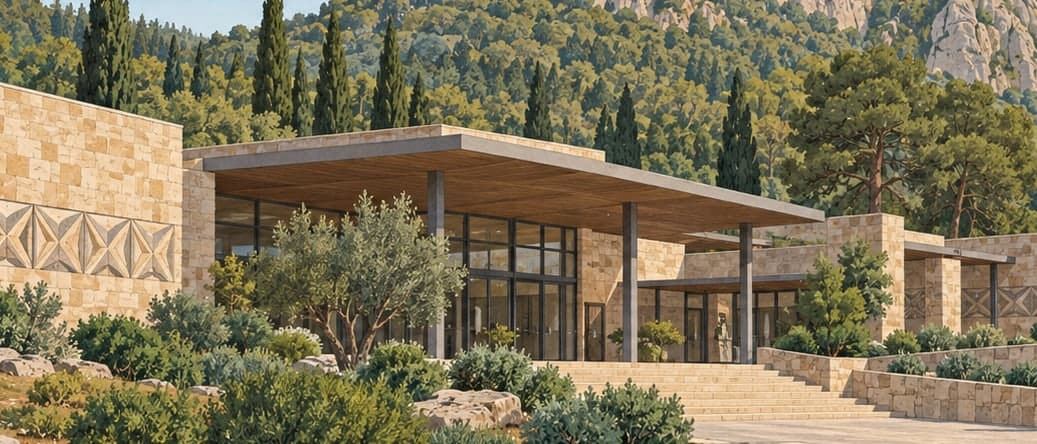
Within the open-air museum an enclosed museum section was created to display archaeological material from the Karatepe and Domuztepe sites, and it opened to visitors in 2007. The Karatepe-Aslantaş Archaeological Site was added to the UNESCO World Heritage Tentative List in 2020. The address is Site, 80752 Karatepe, Kadirli, Osmaniye.