Guide
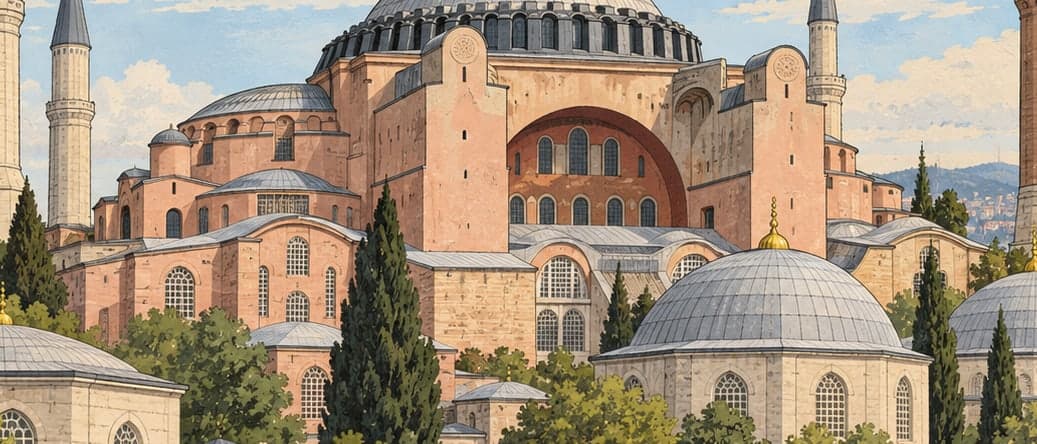
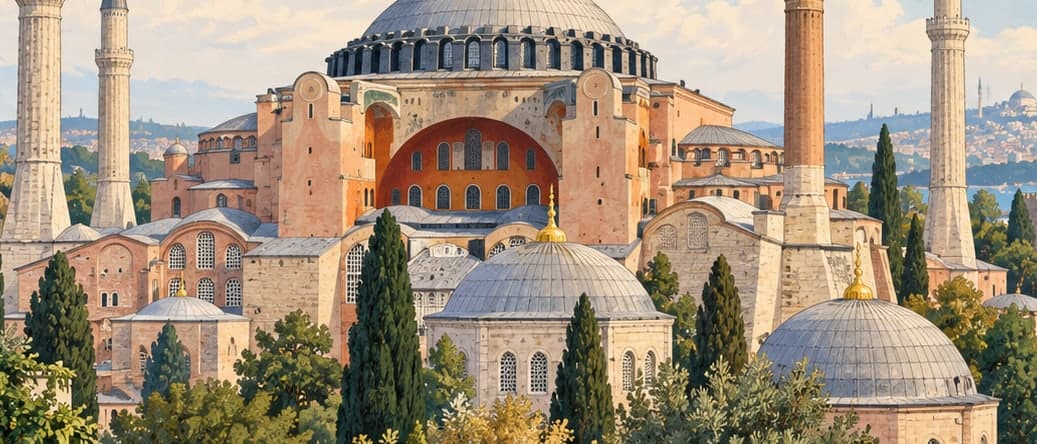
The Grand Bazaar goes back to the middle of the fifteenth century and the reign of Mehmed the Conqueror. Its origin is institutional rather than commercial: under the vakıf system that held Ottoman institutions together, a mosque's repairs, upkeep and other costs were met by putting up a separate building that earned an income for it. Markets were the most valuable of those income-earning buildings, and the bazaar was founded in 1461 among the structures raised to support Ayasofya. It grew by addition over the centuries.
In time it became the commercial centre of the whole region. The richest tradesmen of İstanbul worked here, jewels and precious ornaments from everywhere passed through, and in those years the bazaar also served something like the function of a bank and a financial exchange.
It appeared in a great many travel books and in painters' canvases as well, taken by Europeans as the clearest picture of İstanbul and of eastern life as they imagined it — which is part of what the portal offers as evidence of its historical and cultural weight.
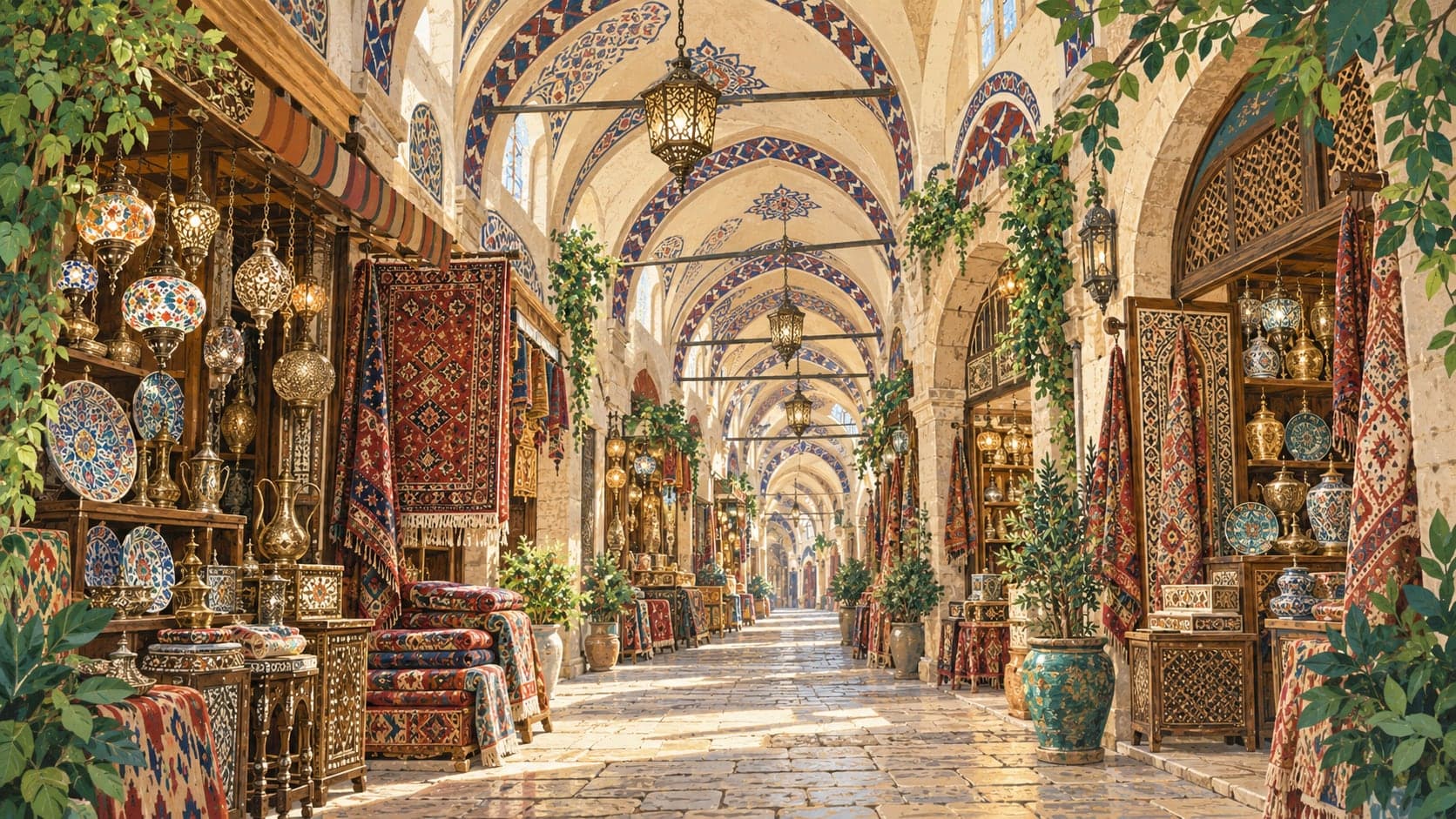
The ministry calls it not only among the oldest but among the largest shopping places in the world. It covers 45,000 square metres and holds 3,600 shops, and in the Ottoman period it was larger still, with even more shops. Carpets and bags, textiles, gold and silver, antiques, tiles and souvenirs are all sold here; a whole day spent walking will not cover it. Some of what is on the shelves is Ottoman inheritance and some is entirely modern. The streets immediately around the bazaar carry on the same trade — the Nur-u Osmaniye side among them.