Guide
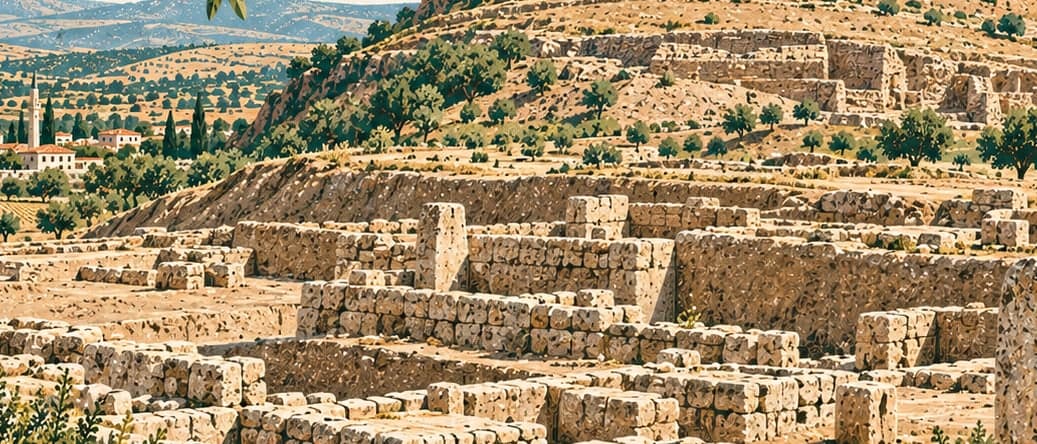
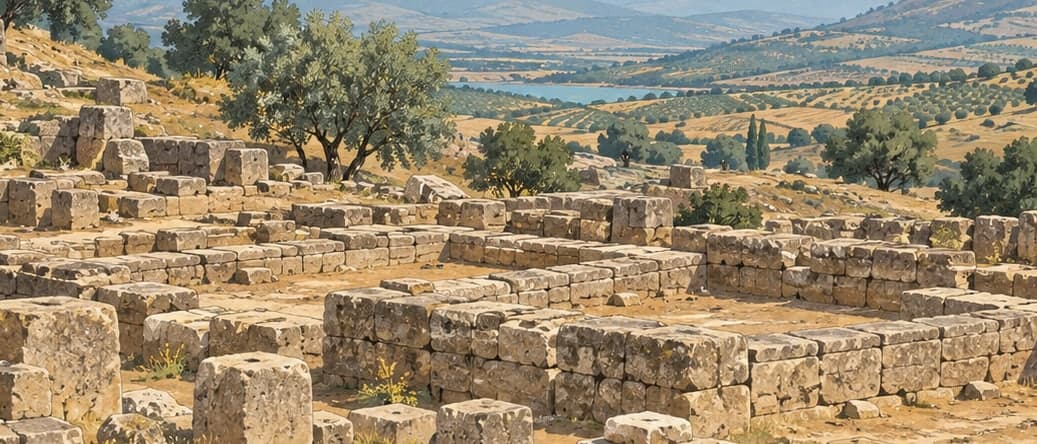
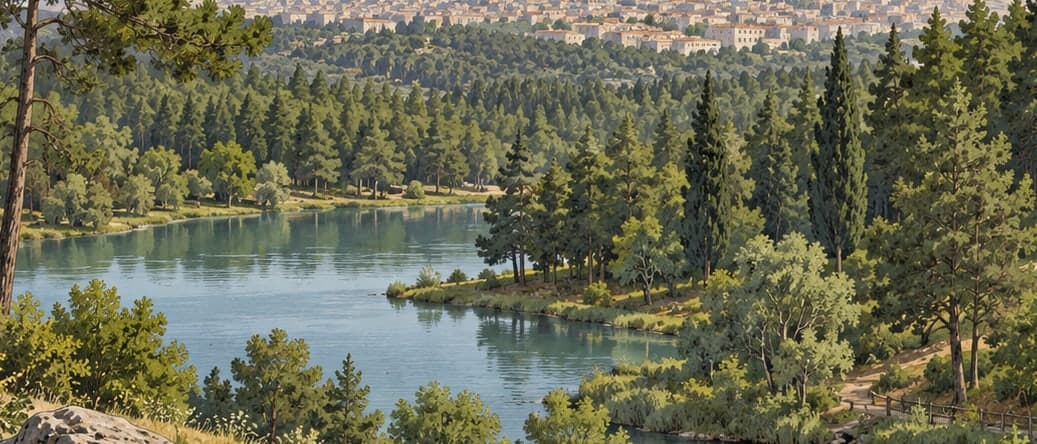
Huzurlu Tabiat Parkı covers 150 hectares at the Huzurlu plateau in the İslahiye district of Gaziantep; the Directorate's record gives the declaration date as 22 April 2016 in its data fields and 28 October 2021 in its text.
What makes the plateau scientifically important is that its humid forests hold relict populations: oriental beech, fir, hornbeam, yew and box, species whose range lies in the eastern Black Sea and central Europe, reach their southernmost distribution here. Across the Huzurlu plateau and its surroundings — a wider area than the park itself — 1,580 taxa have been recorded, 251 of them endemic to Türkiye.
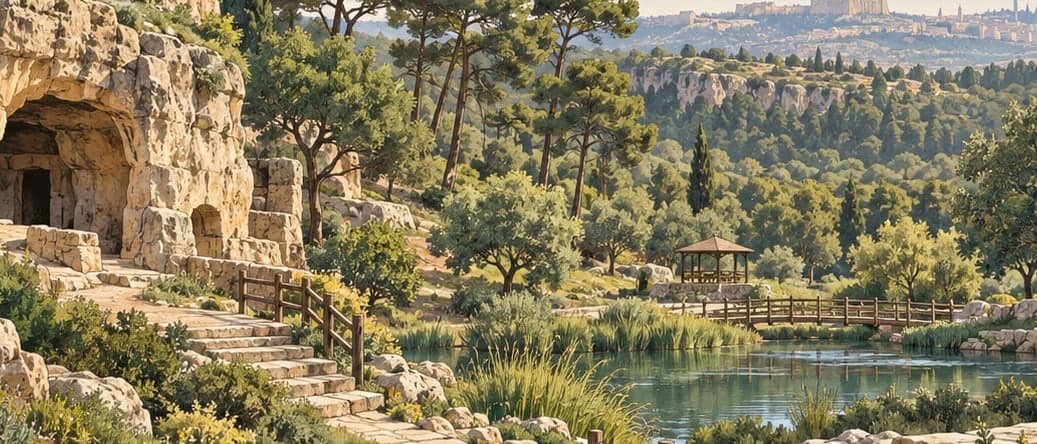
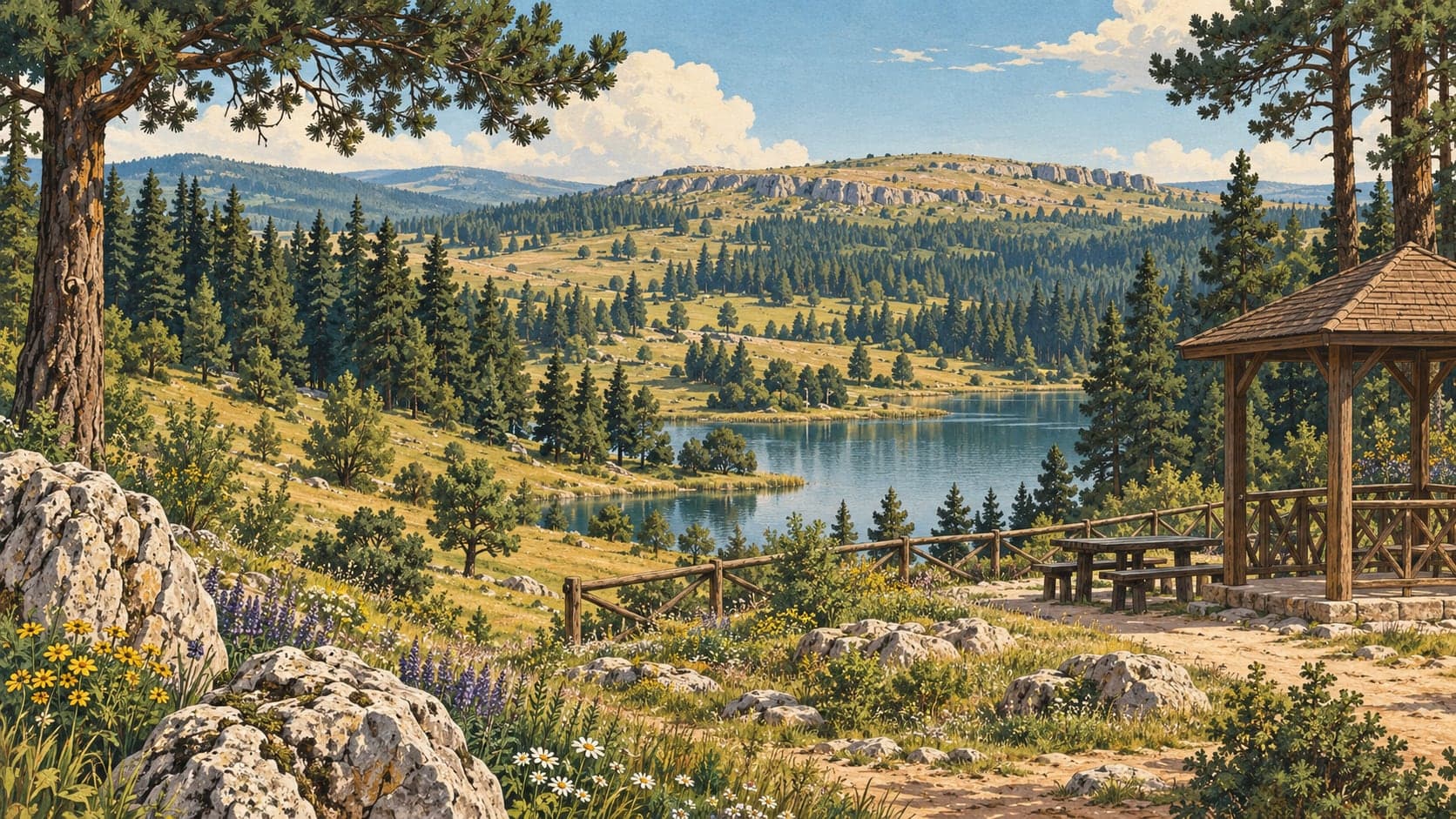
Among the trees and shrubs growing on the plateau are Taurus fir, Lebanon cedar, Anatolian black pine, oriental beech, Norway maple, hop hornbeam, sessile and Türkiye oak, yew, manna ash, aspen, wild service tree, hazel, oriental plane, Calabrian pine, Lebanon oak, Montpellier maple, storax, tanner's and Venetian sumach, terebinth, Judas tree, hawthorn and prickly juniper. Wild boar, bear, roe deer, wolf, red deer, hyena, hare, fox and salamander are the most conspicuous animals, and the plateau also carries a great many bird species.
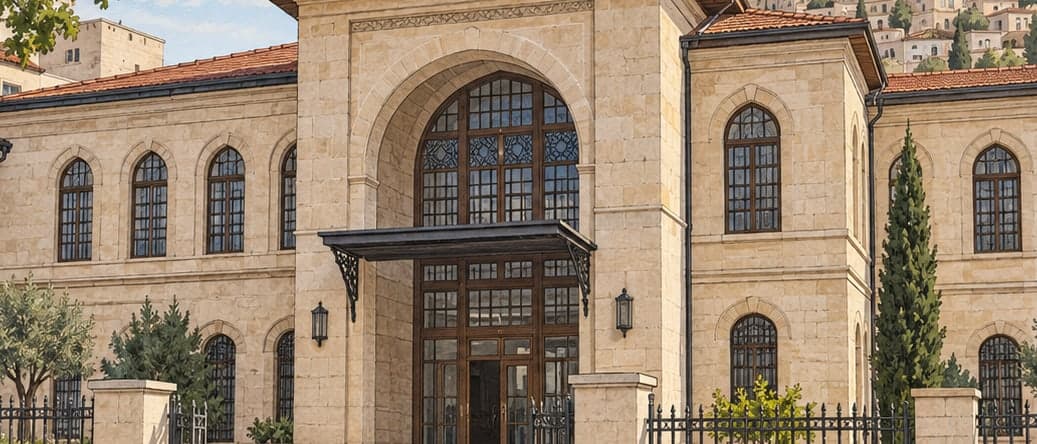
There are no buildings or facilities on the site yet, though a capacity of 500 visitors, 120 vehicles and 10 tents is stated. The park is 129 kilometres from Gaziantep and 31 from İslahiye, reached from the 20th kilometre of the İslahiye–Hatay road via the Tandır village road. The last ten kilometres or so climb and wind, and the Directorate advises caution in winter when there is snow or ice.
- Designated
- 22.04.2016
Entry fee
- Southeastern Anatolia group 1 · category 2 · Per person
- 40 ₺