Guide
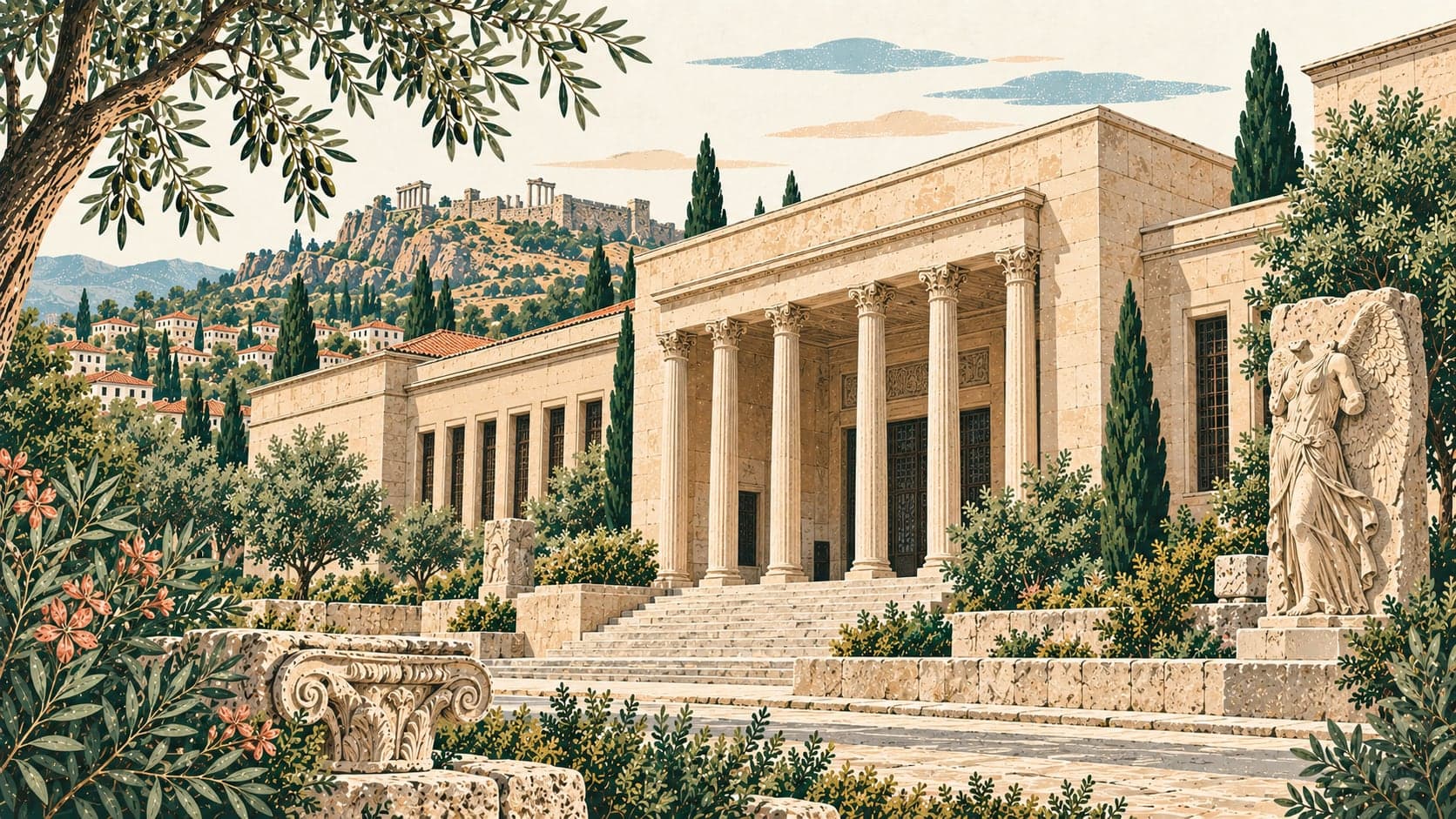
Bergama Museum is an archaeological and ethnographic museum in the Bergama district of İzmir, working under the Ministry of Culture since 1936. It occupies a building put up between 1933 and 1936 to hold the works recovered in the excavations that began at Bergama in 1878 and to display those uncovered at the Asklepieion from 1927. The museum opened on 30 October 1936; the building was a Turkish-German undertaking, its design completed in 1932 by the architects Bruno Meyer and Harold Hanson.
The plan is a rectangular courtyard ringed by galleries, with an exhibition hall behind it. A further building was added beside the hall in 1979 for displaying the ethnographic collection, and stores, a laboratory, a photographic room and an archive were added later.
Most of the works held here came out of the excavations at Bergama and in the country around it. The ethnographic section shows traditional kilims, fabrics, carpets, weaving and handwork of the İzmir region.
One piece stands for what is missing. The Pergamon Altar of Zeus, found on the acropolis of Bergama, was taken to Prussia in 1870 and is displayed at the Pergamon Museum in Berlin; a model of it stands in the archaeological section here.
Entry fee
- Single entry to the museum or site · Local
- MüzeKart
- Single entry to the museum or site · Foreign
- €3