Guide
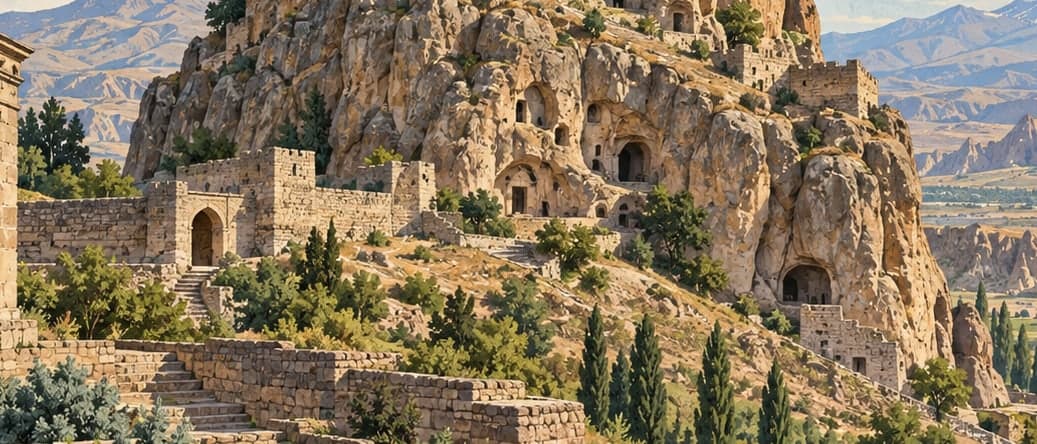
The underground city of St Mercurius lies in the town of Saratlı, in the Gülağaç district of Aksaray. It was cut as a refuge in the 250s AD, when Christianity was forbidden. Mercurius himself was a commander who lived between about 225 and 250; born in Cappadocia under the Roman empire, he declared himself a Christian and was exiled by the emperor back to Cappadocia.
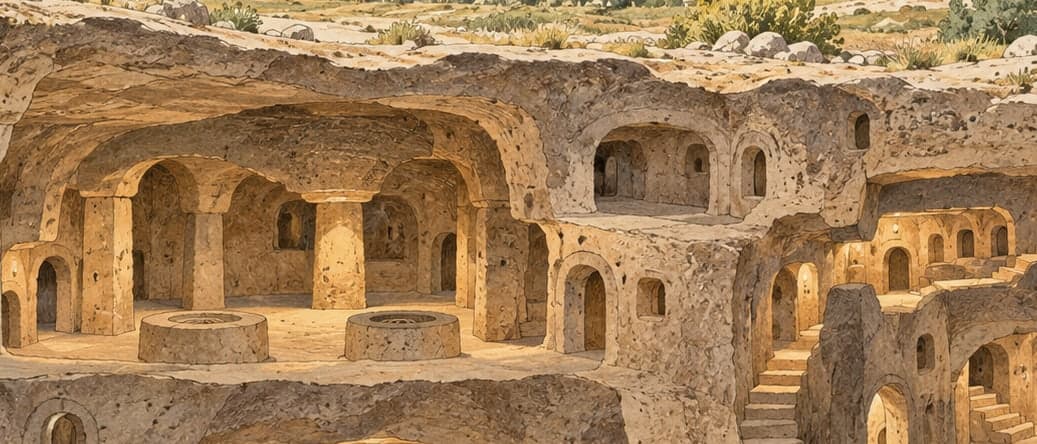
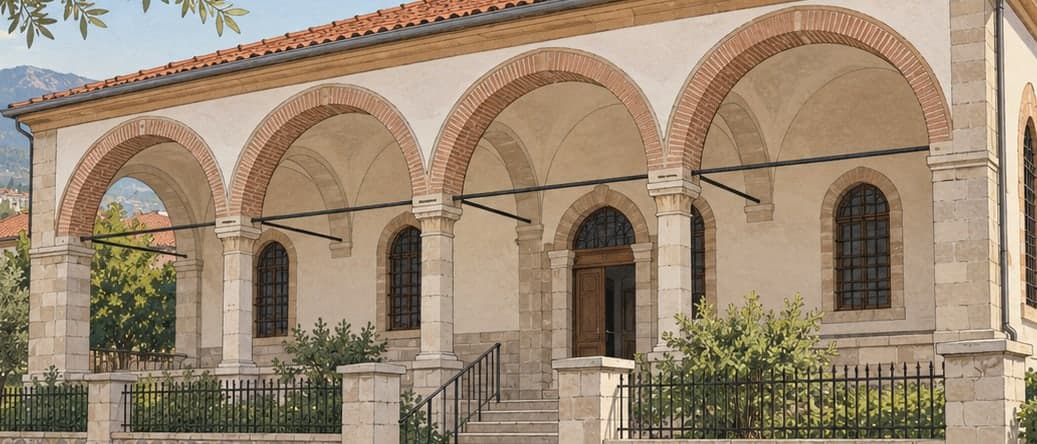
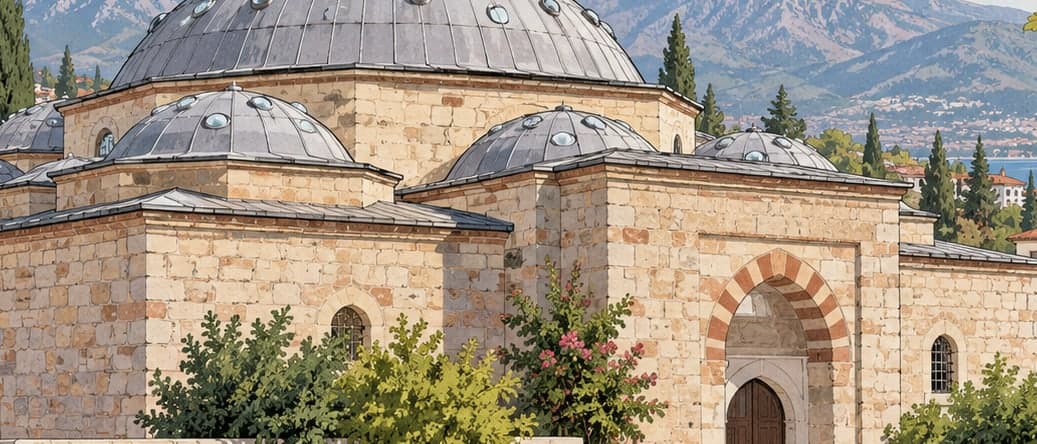
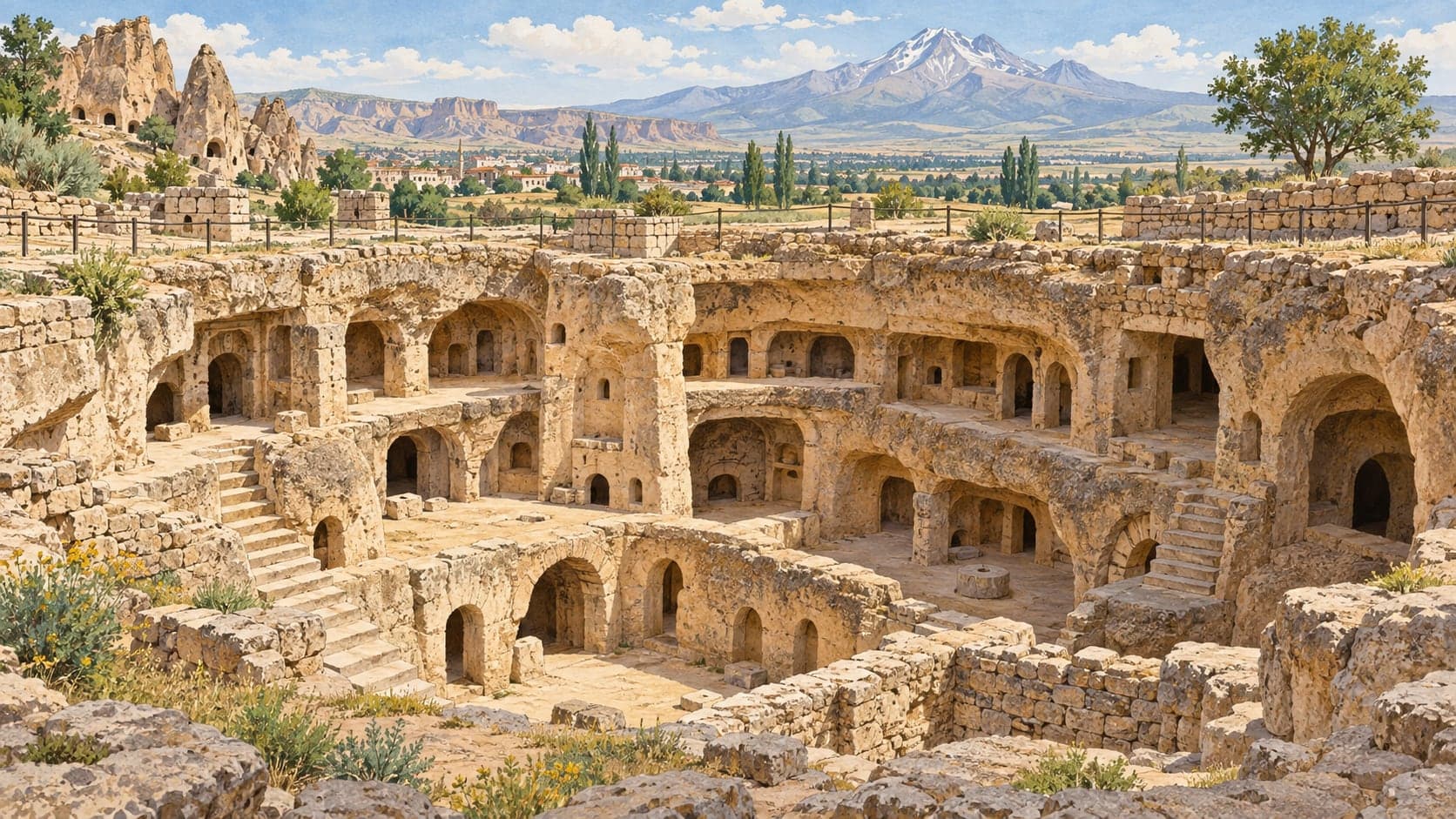
The city runs to seven levels, of which three have been cleared and opened. The way in is through a Seljuk-period han that local people call the develik, and from there corridors and rooms lead down from one level to the next. Underground churches are usually small; this one, by contrast, is on the scale of a cathedral, and it is the reason most visitors come.
Excavation found twenty graves in the church floor, of children and adults. In one of them a man and a woman had been laid one above the other in a single sarcophagus. Crosses of several different forms are cut inside the church, which is thought to have been in heaviest use in the eastern Roman period. Elsewhere in the complex the excavators found storage jars, and in one corner stands a tomb known as the develi dam, where people still make votive offerings; the room beside it has reliefs worked into its walls.
Together with the Saratlı Kırkgöz underground city, the Ministry describes this as one of the most visited sites in Cappadocia. The address is Saratlı Köyü Yolu, 68900 Saratlı, Gülağaç, Aksaray.
Visit status for this record: open to visitors.