Guide
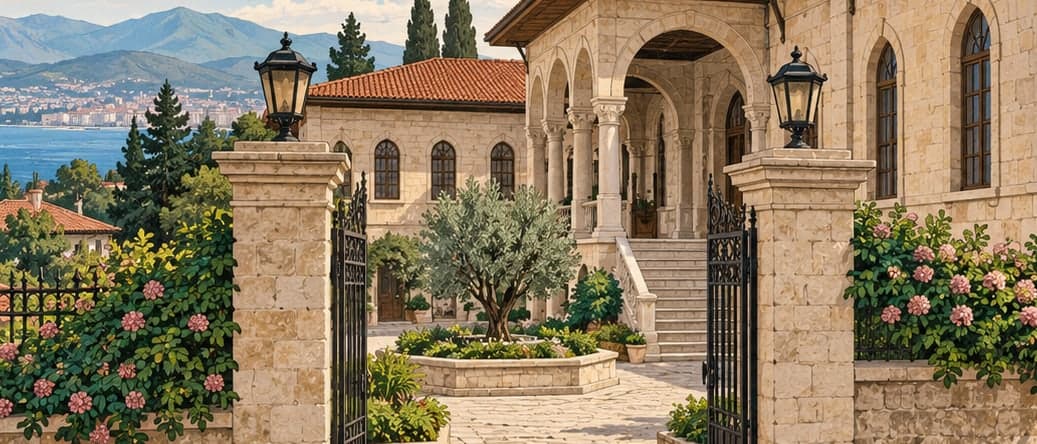
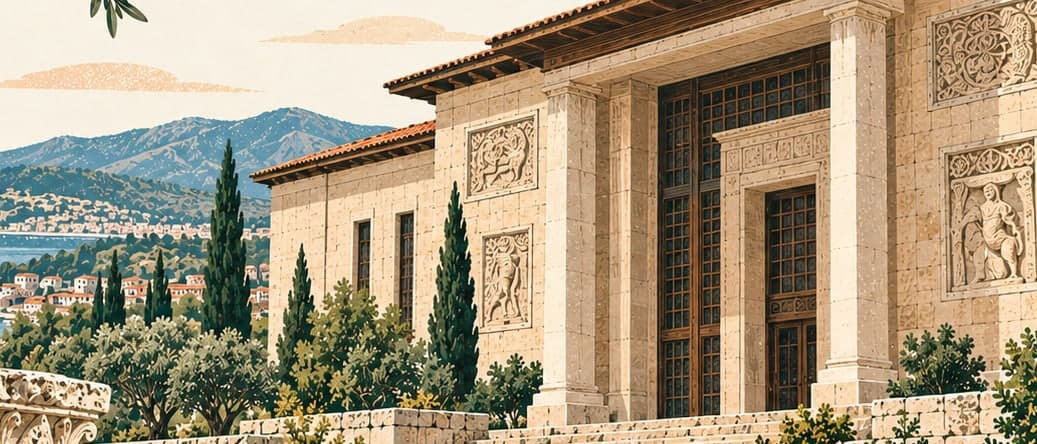
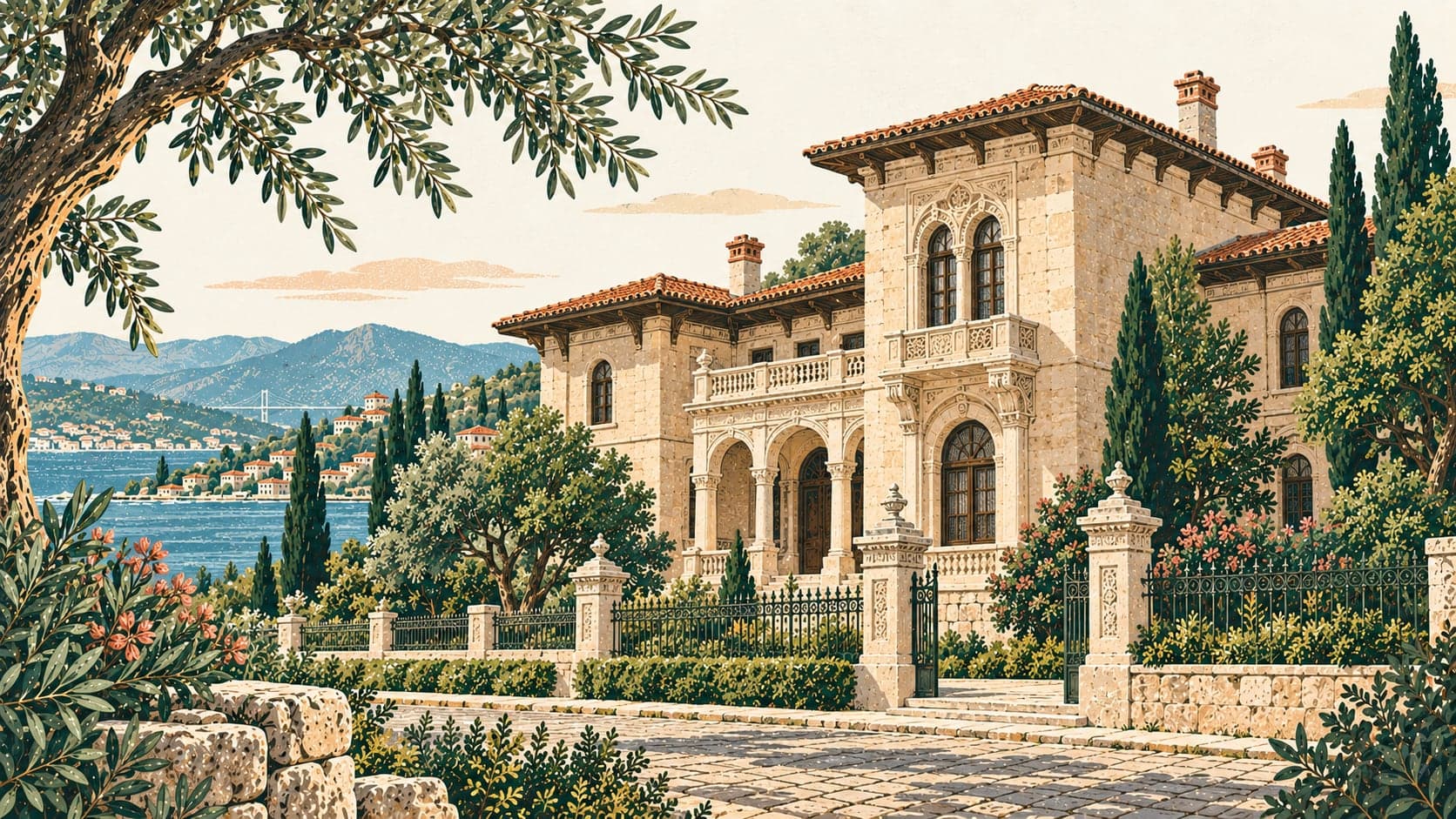
The Abdülaziz Hunting Lodge, also called the Kasr-ı Hümayun, stands at İzmit and is built in the baroque and empire manner. It took its present form in the reign of Abdülaziz and is known as the only small palace built outside İstanbul under the Ottoman state. Its architect was Garabet Amira Balyan, who is remembered in the history of architecture as the architect of Dolmabahçe Palace.
The site has a long succession of buildings behind it. The first palace at İzmit in the Ottoman period was built in the reign of Murad IV and thrown down by the earthquake of 1766; palace buildings put up on the same ground in later periods burned or fell for various reasons. The wall remains beneath the present building are thought to belong to that first palace. Mahmud II, the first Ottoman sultan to make a tour of the country, asked in 1833 for a palace to be built overlooking the arsenal, west of the Altıncıoğlu mansion where he had stayed on his visit to İzmit, and a new palace rose on the site of the earlier one; he is known to have stayed in the Kasr-ı Hümayun during his second visit to İzmit in 1836. That building burned in the reign of Abdülmecid, and a hunting lodge began to be built in its place in 1855. The new building suffered a fire in 1859 and was rebuilt for the ceremony Abdülaziz attended at İzmit in 1875, when the Haydarpaşa–İzmit railway came into service.
Sultan Reşat was among the sultans who lodged here: he came to İzmit by train on 12 September 1909, stayed a night at the hunting lodge and returned to İstanbul by royal caique the next day. Two buildings identical in plan and design were put up beside it to house the officials accompanying him; one of these twin buildings survives, and the other was later demolished and replaced by the building serving as the governor's residence.
The lodge served as the government house after the government building at İzmit burned, and during the occupation following the First World War it was assigned for a time to the British. In the years of the National Struggle it hosted two important meetings held by Atatürk.
It has served as a museum since 1967. The building was damaged in the earthquake of 17 August 1999 and reopened to visitors as a palace museum on 16 January 2007.
Visit status for this record: open to visitors.