Guide
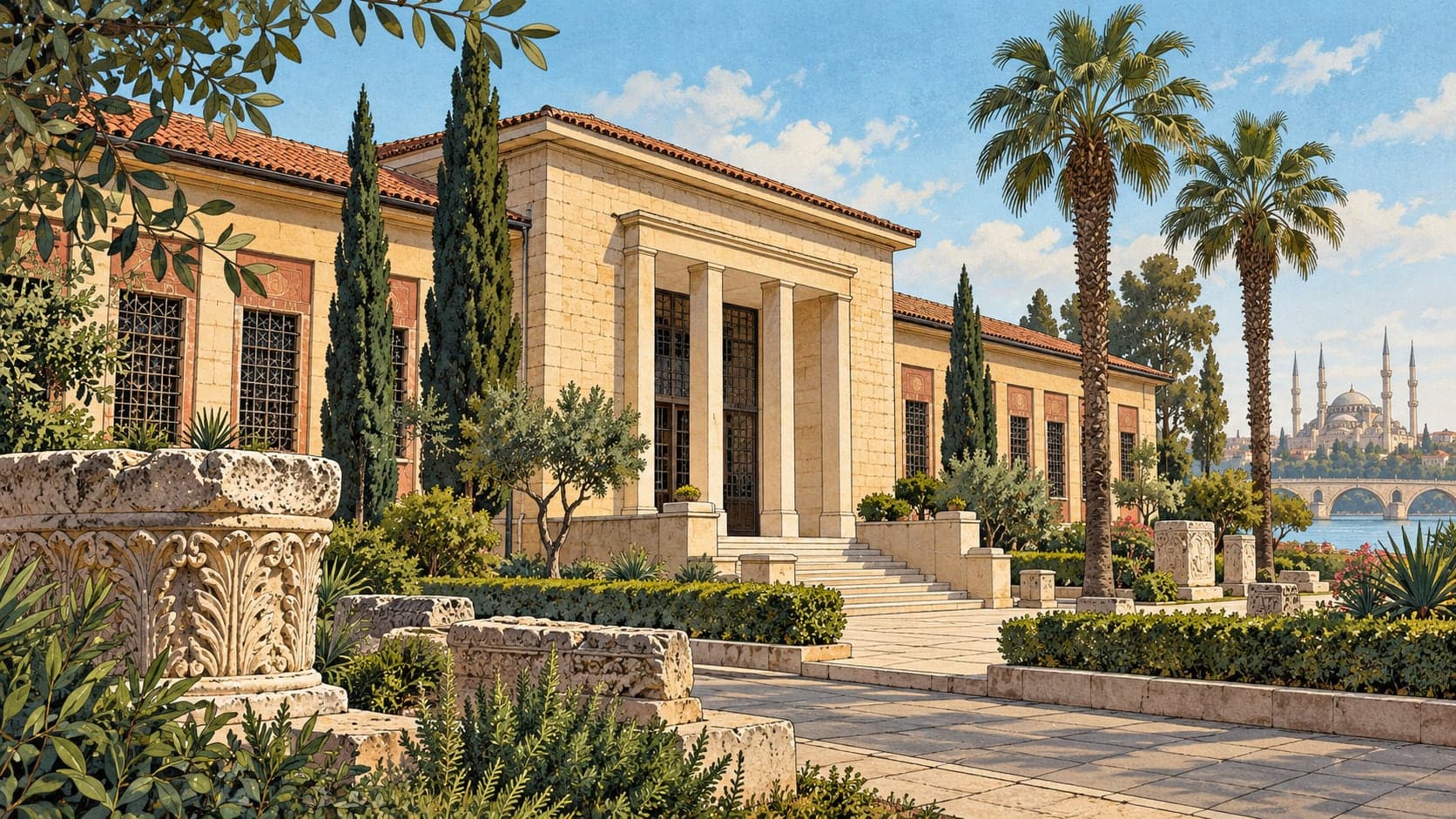
Adana Archaeological Museum has stood since 2017 in the old Millî Mensucat textile factory in the Döşeme quarter of the Seyhan district, part of the Adana museum complex there. Founded in 1924, a year after the republic was declared, it is one of the ten oldest museums in Türkiye.
The displays run through eight halls, presenting the human past from prehistory onward through texts, images, dioramas and reconstructions. Alongside prehistoric material the collection holds stone works, statues, inscriptions, sarcophagi, stelae and architectural fragments of the Hittite, Assyrian, Phoenician, Phrygian, Archaic, Hellenistic, Roman and Byzantine periods, together with terracotta bowls, pots and vessels of many kinds, cylinder and stamp seals, coins and other archaeological finds.
Among the pieces to look for are a stone statue of the Hattian storm god Tarhunda, a monument inscribed in Anatolian hieroglyphs, a Babylonian monument, a Roman marble anthropoid sarcophagus, the Achilles sarcophagus, and a bronze statue of a man recovered from the sea in the Seyhan district.
The museum began as a gathering of column capitals and sarcophagi from the surrounding area in the police headquarters. It opened to visitors in 1928, after Halil Kamil Bey was appointed director, in the medrese of the now-demolished Cafer Paşa mosque at the head of the Taşköprü, and moved in 1950 to the Kuruköprü Monument Museum, which for a time served as an ethnographic museum.
Visit status for this record: open to visitors.