Guide
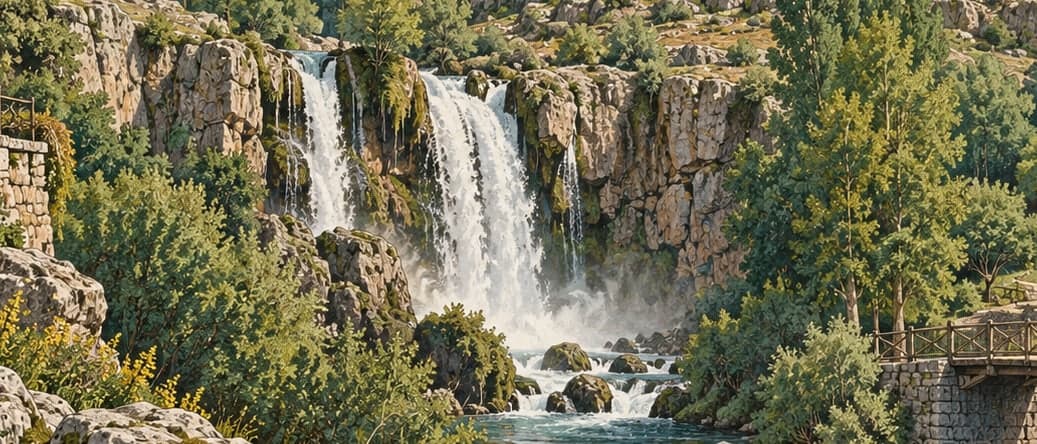
Soğanlı sits in the triangle between Kayseri, Niğde and Nevşehir, fifteen kilometres from the centre of Yeşilhisar, in a landscape where rock churches and caves run into one another. Much of what is here has parallels in the Ihlara, Göreme and Zelve valleys, but the Ministry singles out one difference: Soğanlı has domed rock churches, which those valleys do not.
People have used the valley since the Roman period, and the two eras left different marks on the same cliffs — the Romans cut tombs into them, the Byzantines cut churches. Alongside the churches and monasteries are dovecotes, caves and shelters, and the fairy chimneys standing among them give the valley its particular look. From the 4th century AD onwards Soğanlı was one of the centres of Christianity in Cappadocia, and it kept that standing through the 7th and 8th centuries.
Roughly fifty rock churches survive on the tufa here, but only eight of them can be visited: the doors and windows of the rest were walled up in past years. The eight open to visitors are the Karabaş, Kubbeli, Tahtalı (St Barbara), Yılanlı, Saklı, Tokalı, Ballık and Geyikli churches. Their frescoes show Christ and the apostles along with scenes from the Gospels, and in style the wall paintings reflect the 10th to 12th centuries. The site is in the village of Soğanlı, in the Yeşilhisar district.