Guide
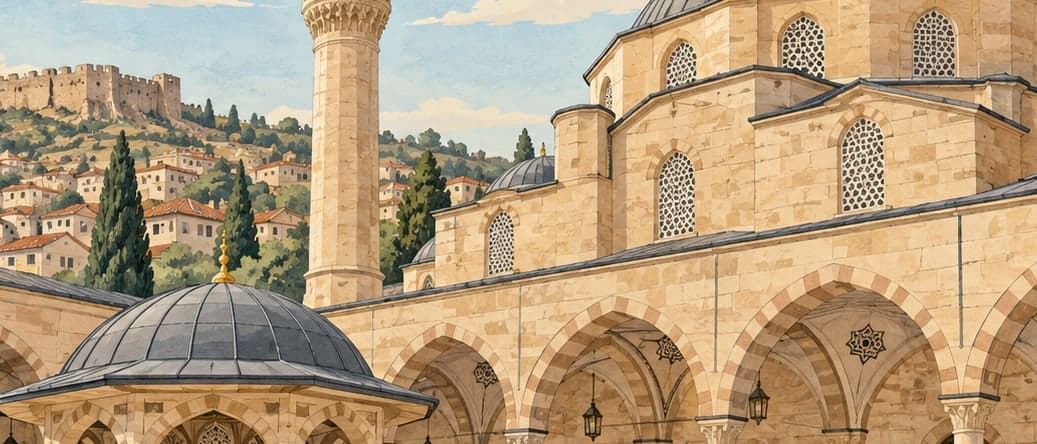
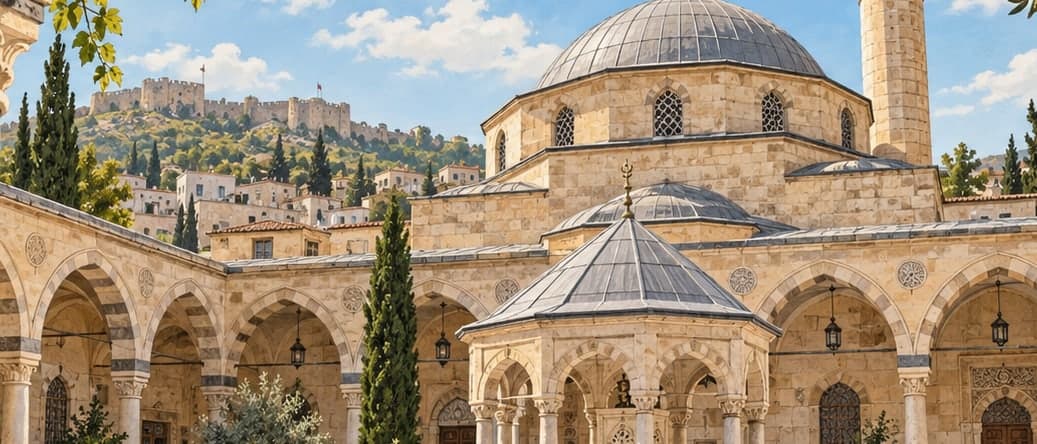
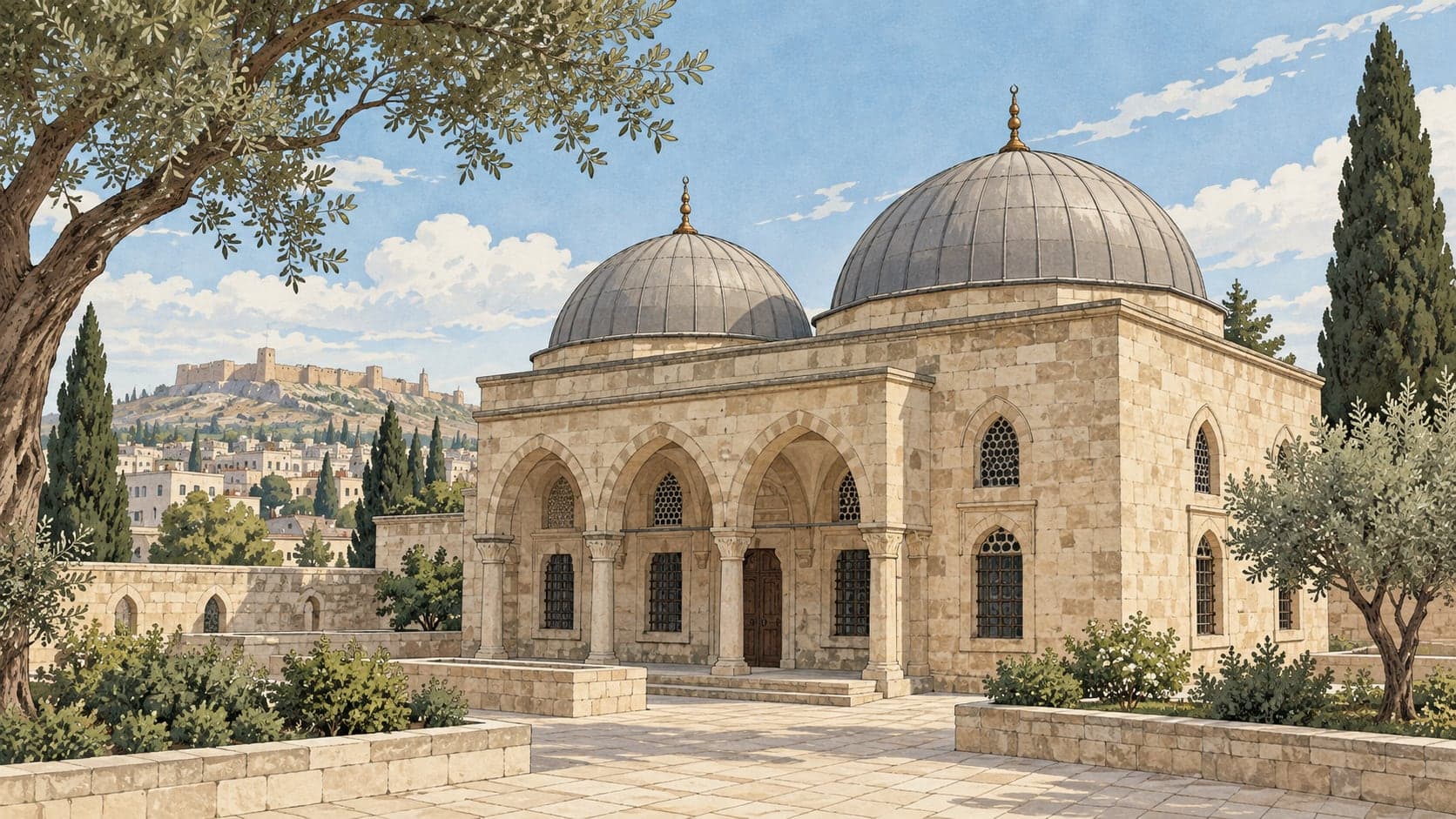
The tomb is a flat-roofed building of no architectural value, repaired recently, holding two cenotaphs renewed in concrete. Local people call them the tombs of Zübeyr and Talha.
Whether they are is doubtful, and the portal says so itself. Evliya Çelebi wrote down all the places of visit and all the tombs in Kilis and did not write about this one. The yearbook of the province of Aleppo records that there is a grave of Talha in the Abdioymağı quarter of Kilis, but not one of Zübeyr.
Both men are among those to whom paradise was promised. Zübeyr was of the Quraysh, known by the kunya Ebu Abdullah, a nephew of Hatice and son of Saffiye, daughter of Abdülmuttalib and aunt of the Prophet. He accepted Islam at fifteen and is counted the fourth or fifth to do so. He is said to have been the first in Islam to draw a sword for the faith and the Prophet: hearing in Mecca that the polytheists of the Quraysh had seized the Prophet, he drew his sword and ran to save him, met him on the way and received his blessing. He emigrated first to Abyssinia and then to Medina, and took part in the fighting at Badr, Uhud, the Trench, Hudaybiya, Khaybar, Mecca and Hunayn, and in the conquest of Egypt.
Talha likewise is among those to whom paradise was promised, and he sat with Zübeyr on the council of six that Ömer appointed before his death to choose his successor. He and Ebu Bekir called one another brothers. He was sent to Damascus as a scout at the time of Badr and so was not present at that battle, but took part in all the others; at Uhud he is said to have carried the Prophet on his back up onto a rock and saved him.