Guide
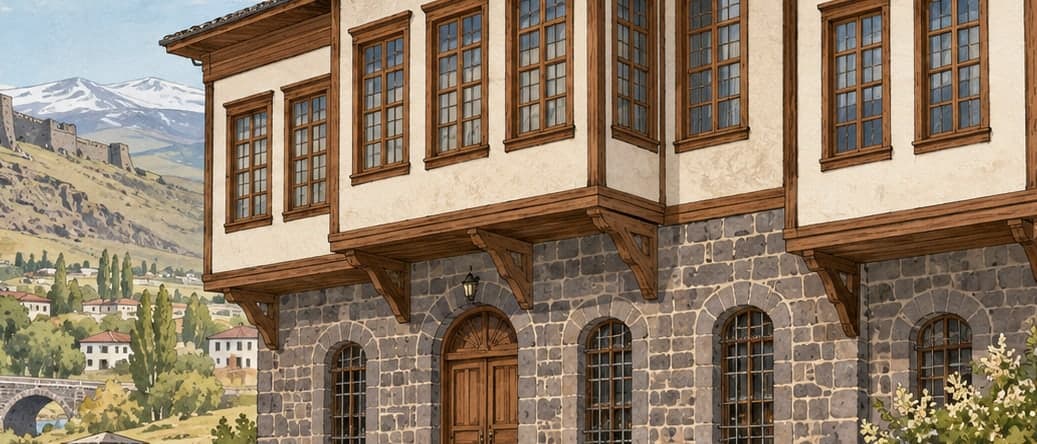
Sille was built on both sides of a deep, narrow valley in the Selçuklu district of Konya. Its silhouette, the historic traces that belong to that silhouette, its domestic architecture and settlement pattern, its customs and its vineyards and gardens make it a place apart — one where cultures lived alongside one another, and an important one within the civilisations of Anatolia.
The area has been inhabited since the Phrygians and became a significant settlement from the Byzantine period. It was among the first centres of early Christianity and one of the important stopping points on the pilgrim road between İstanbul and Jerusalem. In the first years of Christianity, the portal records, the apostle Paul and his companions came to Konya and tried to spread their faith, and withdrew to the mountains around Sille in the face of the pressure they met. The Seljuks, the Karamanids and the Ottomans all ruled here in turn and left traces that survive.
In 2001 Sille was declared an urban conservation area and its cultural property taken under protection.
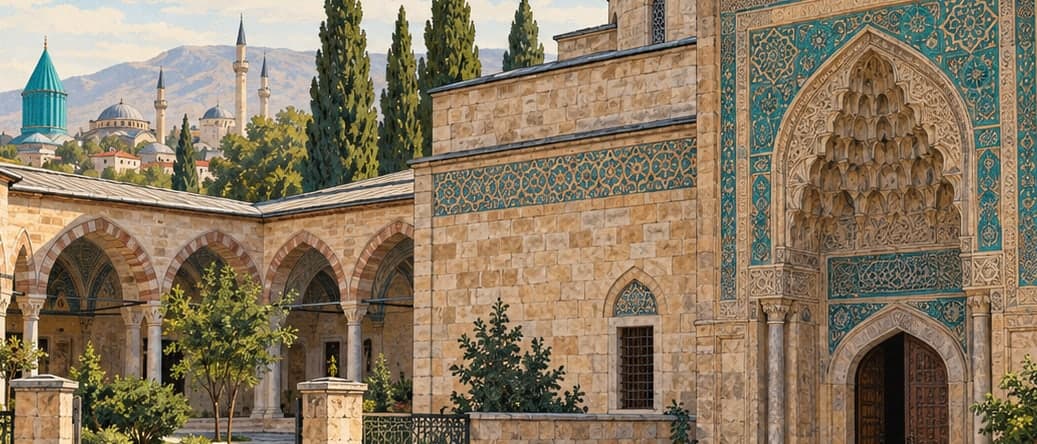
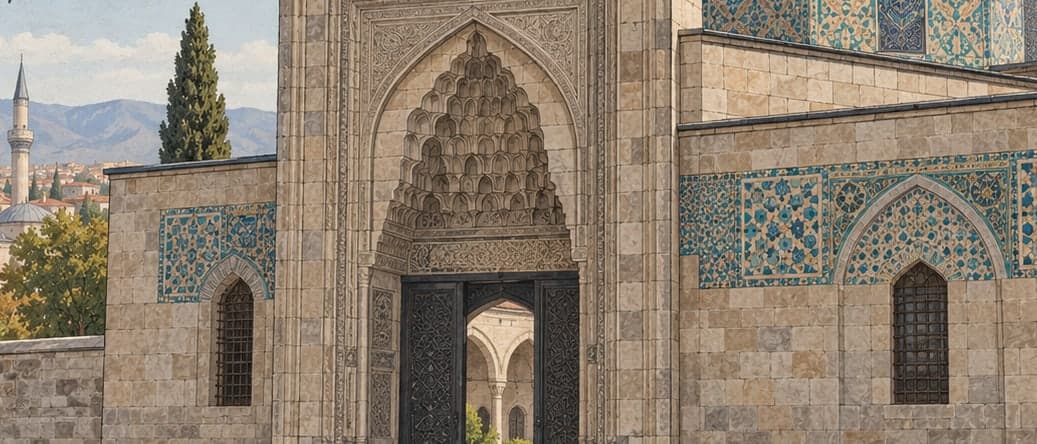
What stands here comes from both traditions. Churches and monasteries survive from the Christian period, the church of Saint Helena foremost among them, a symbolic building in the history of Christianity. Mosques, baths, fountains and bridges of the Seljuk and Ottoman periods make up the rest of the architectural fabric, and the traditional Sille houses carry the atmosphere of the place. Among the most important things here are about forty caves cut into the hills on the southern side of Sille, used as churches or as dwellings.