Guide
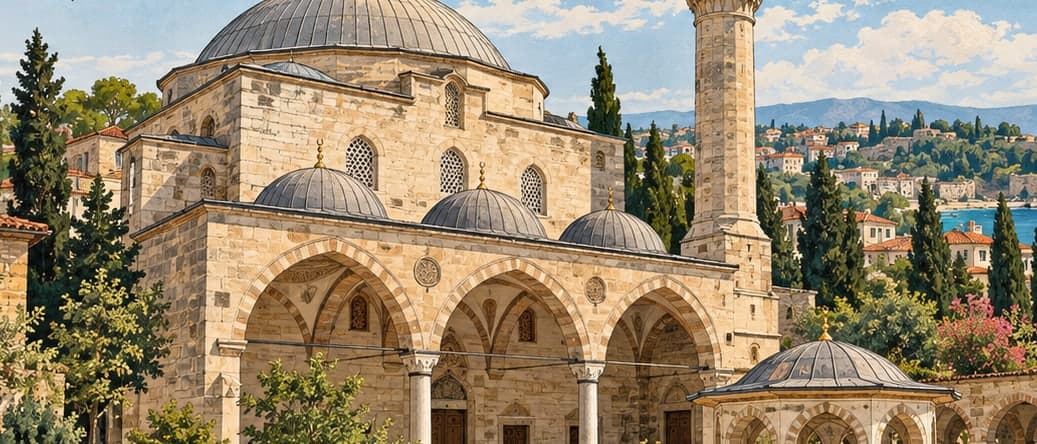
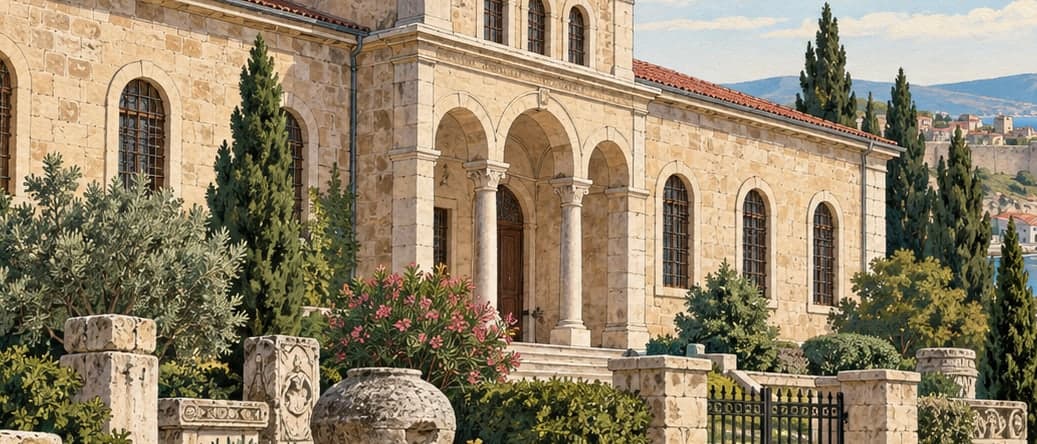
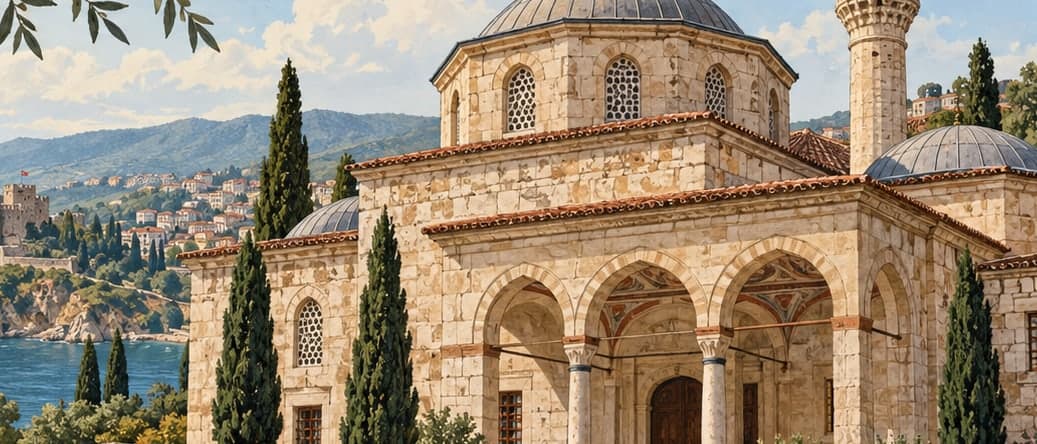
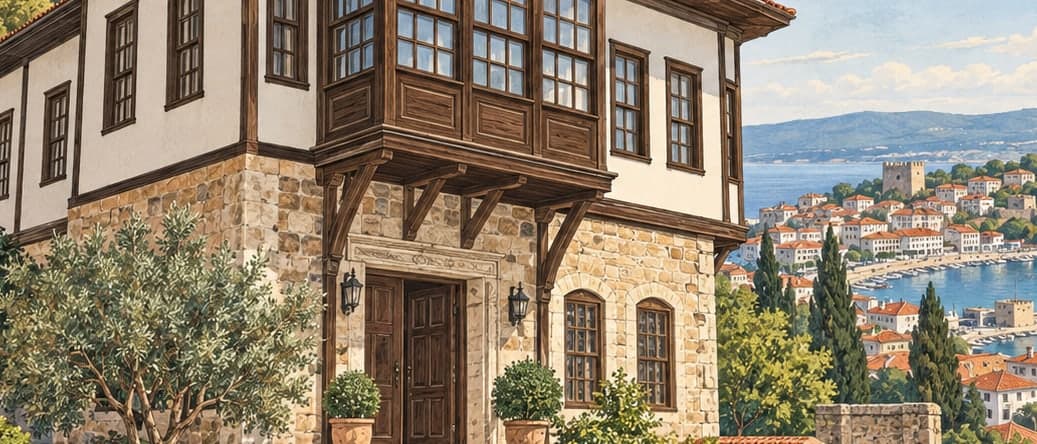
The Pervane Medrese in Sinop has not been used as a medrese since the medreses were closed. The open space within it now holds cafés, restaurants and shops selling souvenirs.
It takes its name from Muînüddin Süleyman, known as Pervâne, who served as vizier during the breaking up of the Anatolian Seljuk state in the second half of the thirteenth century. After he took Sinop back from the empire of Trebizond in 1262, Sultan Kılıç Arslan IV granted him the town as a fief. Though a subject of the Seljuks, Pervâne became in practice the ruler of Sinop, and he had the medrese built in 1265. After him it continued in use under the Çandarid emirate and the Ottomans.
When modern schools took the place of the medreses after the republic was declared, the Pervane Medrese was closed. From 1932 the building served as a store for the archaeological and ethnographic material that had been gathered in the region since 1921. It was turned into a museum in 1941 and remained one until the museum moved to its new building in 1970. In 2002 the building was transferred to the provincial governorship.
The building measures 38 by 28 metres and runs north to south. The main entrance on the south is a marble portal with a room on either side of it. On the eastern and western sides of the courtyard are arcades of three columns each, and behind those arcades, on either side of the building, are five students' rooms. A fountain stands in the courtyard.
The medrese also holds the graves of Gazi Çelebi, the last ruler of the Pervâne line, and of his daughter.