Guide
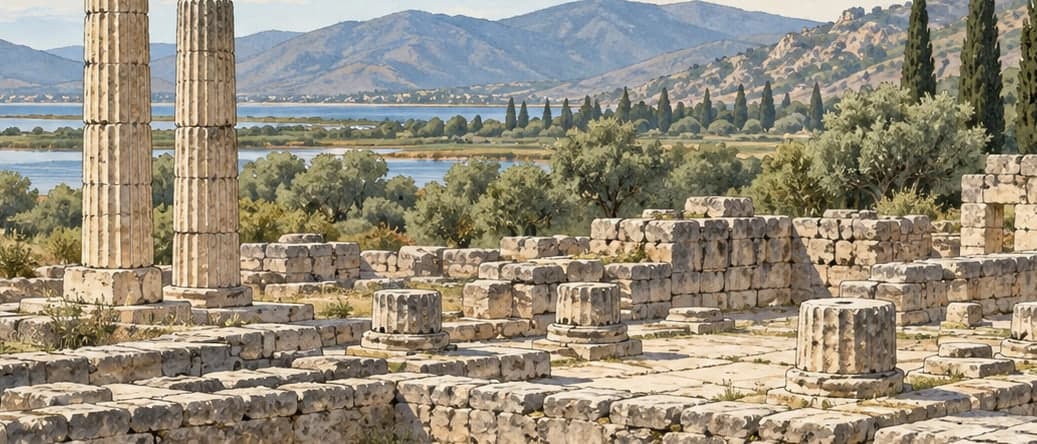
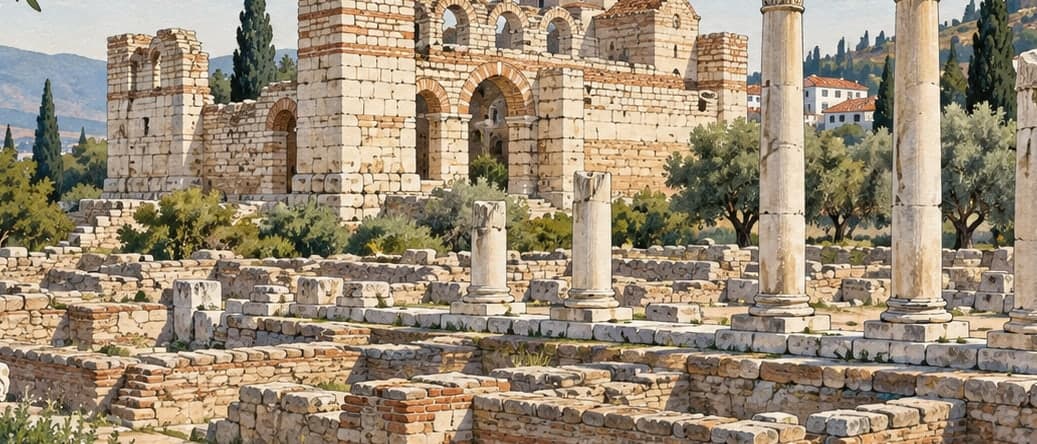
Metropolis stands on a hill between Yeniköy and Özbey villages on the western side of the Torbalı plain, 45 kilometres east of İzmir, and it was the first settlement of Torbalı.
The name means city of the mother goddess, and the statue of the goddess it is named for was found in excavations at the Uyuzdere locality.
The site has been known to European travellers since 1675, when J. Spon and G. Wheler came here and identified the ruins between those two villages as Metropolis. In the nineteenth century the İzmir-based researcher A. Fontier, working on the inscriptions and topography, established that the Çevlik and Fetrek streams around the city were anciently called the Astraios and the Phyrites, and gave a brief description of the remains.
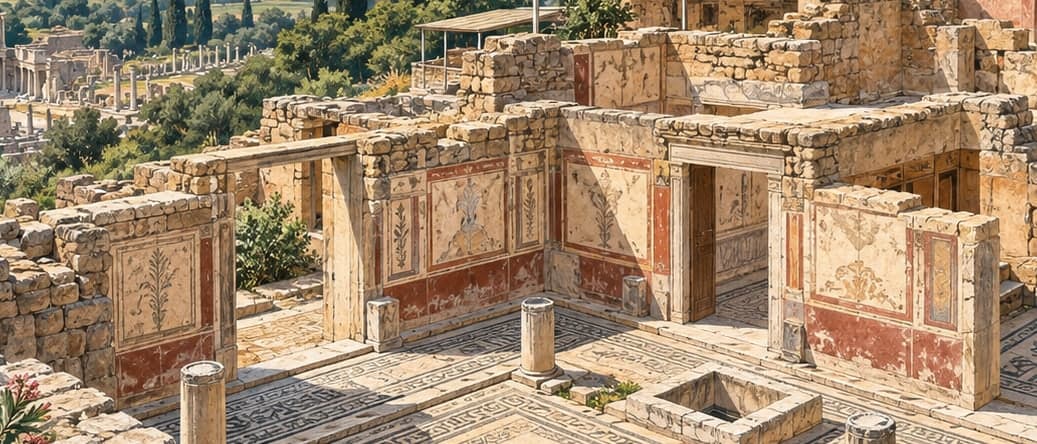
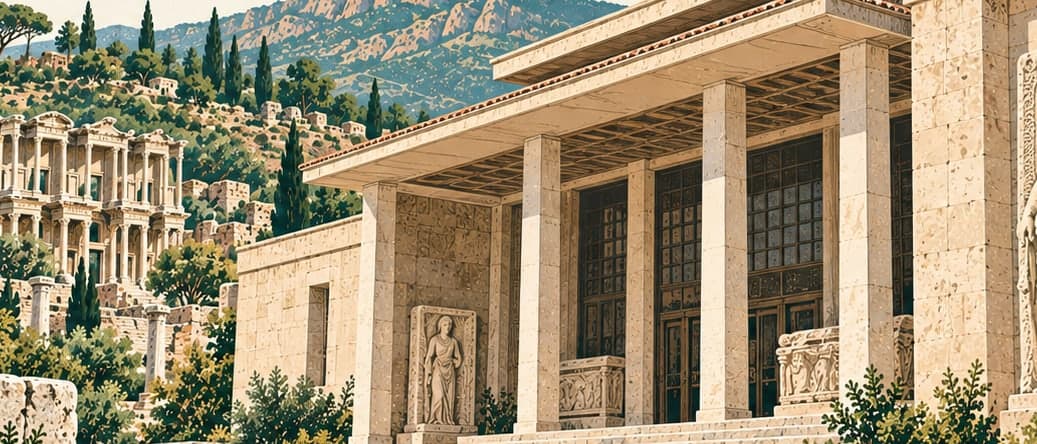
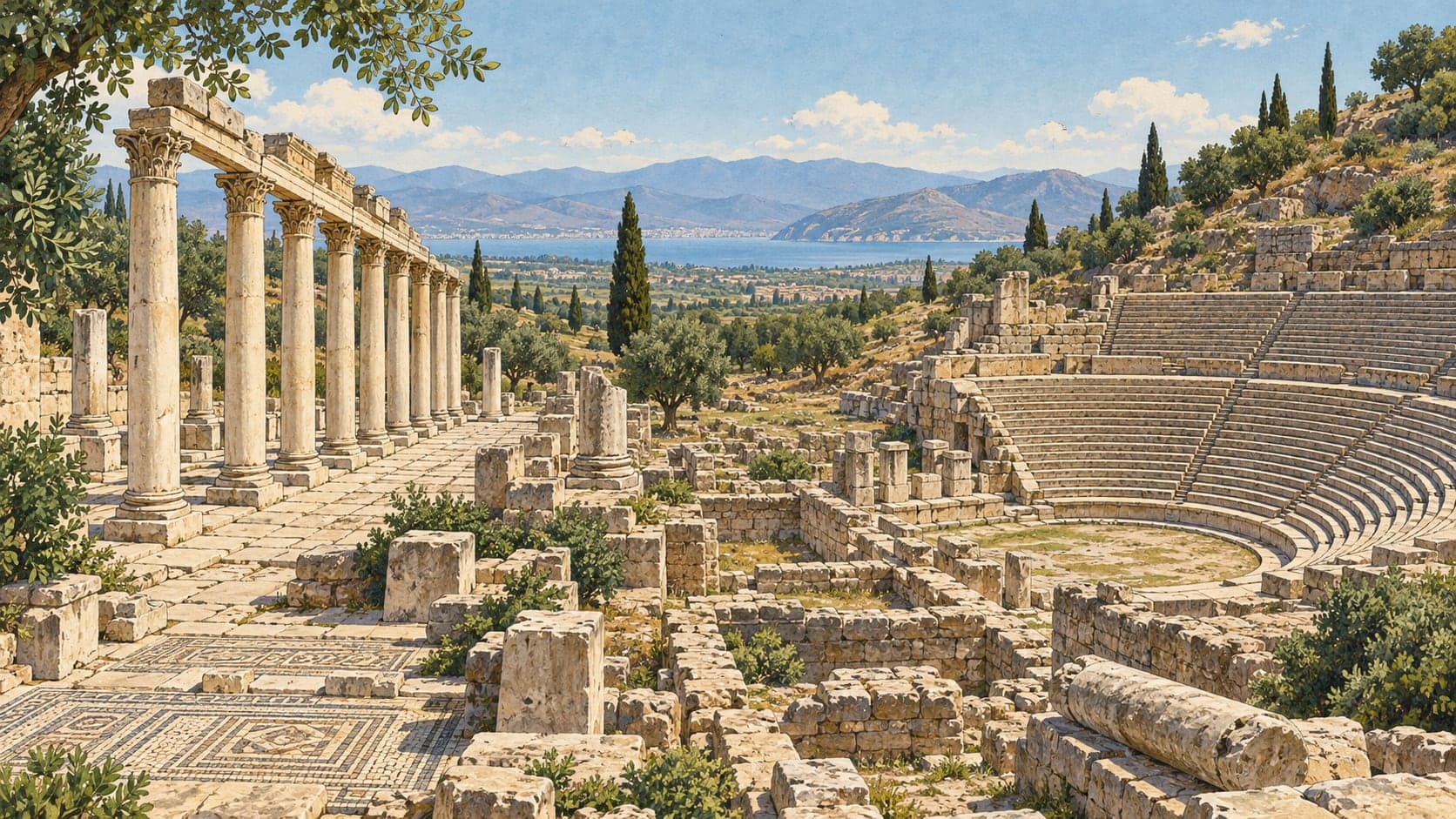
The ministry dates the founding to the third century BC, by men of Lysimachos in the time of the Seleucid kingdom. In the Hellenistic period the city developed: it was ringed with substantial walls, a temple was built to Ares, and monumental public buildings including a stoa and a theatre went up. Metropolis is known as an important centre of Hellenistic art and produced sculpture of high quality and originality. Under the Roman empire the city spread downward from the slopes.
Entry fee
- Single entry to the museum or site · Local
- Free
- Single entry to the museum or site · Foreign
- Free