Guide
The Mausoleum at Halicarnassus is the tomb of Mausolus, satrap of Caria, and one of the seven wonders of the ancient world. He began it in his own name while still alive; when he died his wife Artemisia — who was also his sister — carried on the work, and the building has carried his name ever since. Construction started shortly before his death, that is before 353 BC.
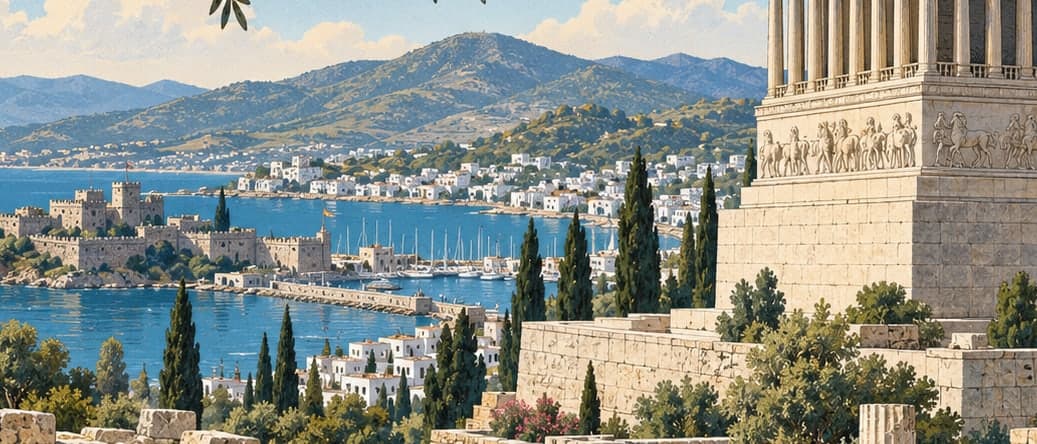
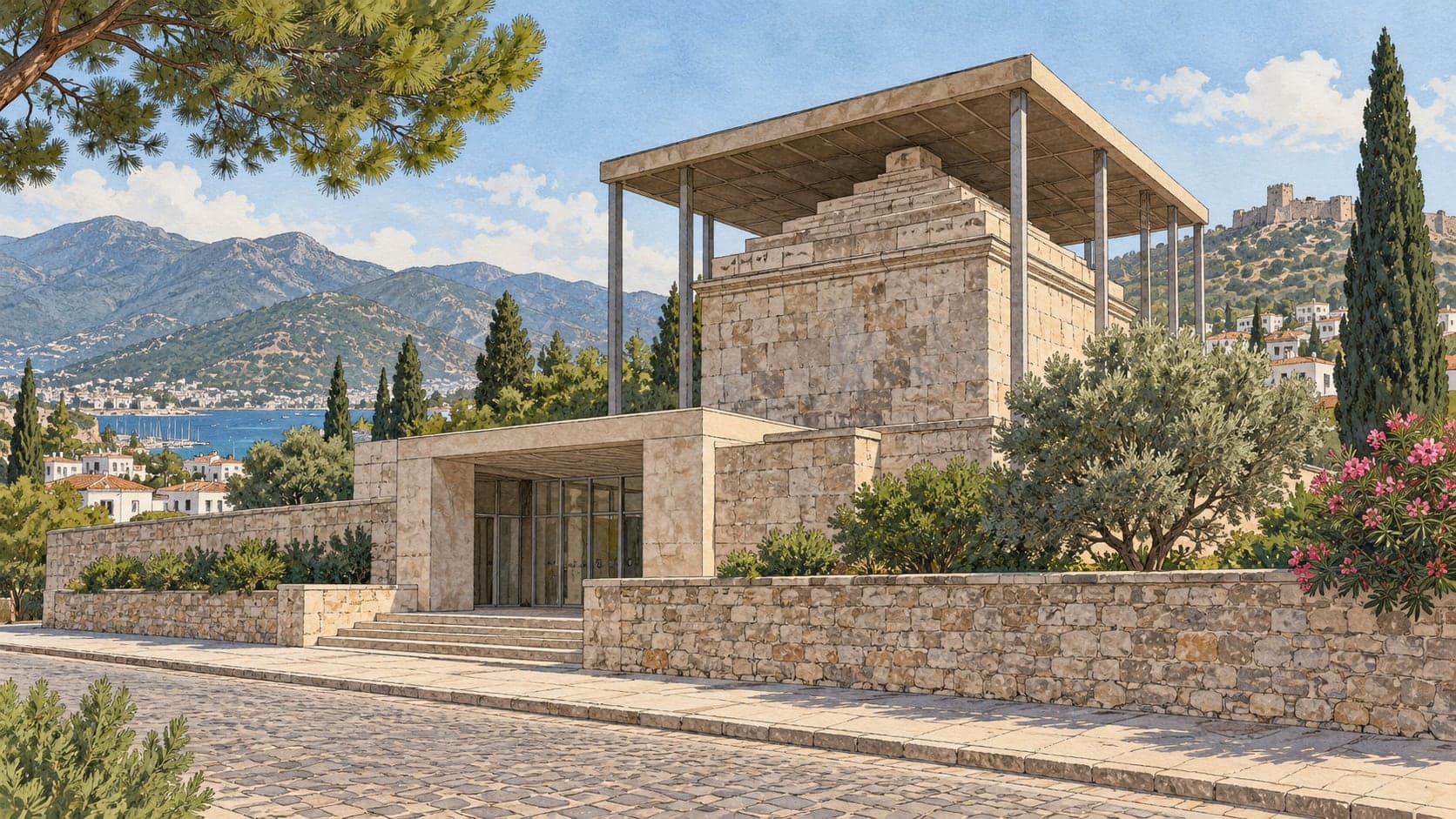
What made it famous was that it did not look like anything else of its time. Greek columns carried an Egyptian pyramidal roof, on a scale nobody had attempted for a tomb, and every later building in that manner came to be called a mausoleum after it.
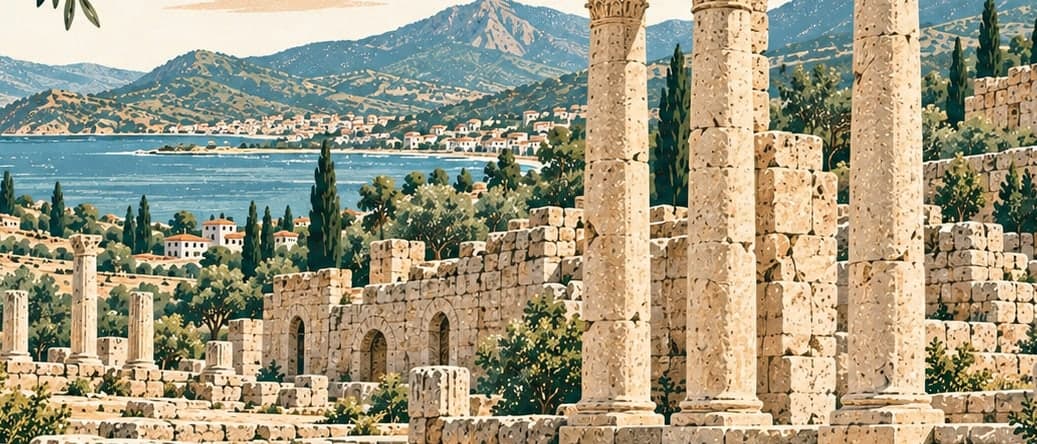
Be clear about what is left, because the building is not. It stood for centuries and was largely brought down by the Anatolian earthquake of 8 August 1304; its stones were then reused in the construction of Bodrum Castle. Many of its reliefs and sculptures were taken to the British Museum by the English in 1857. What you visit today is an open-air site rather than a monument.
Ancient writers name the architect as Pytheos, who also built the temple of Athena at Priene. Vitruvius records that the leading sculptors of the fourth century BC worked on it: Bryaxis, Timotheos, Leochares and Skopas. Bryaxis, himself a Carian, made the figures of Mausolus and Artemisia that stood on the four-horse chariot at the very top. The site is at Yeniköy Mahallesi, 1618. Sokak.