Guide
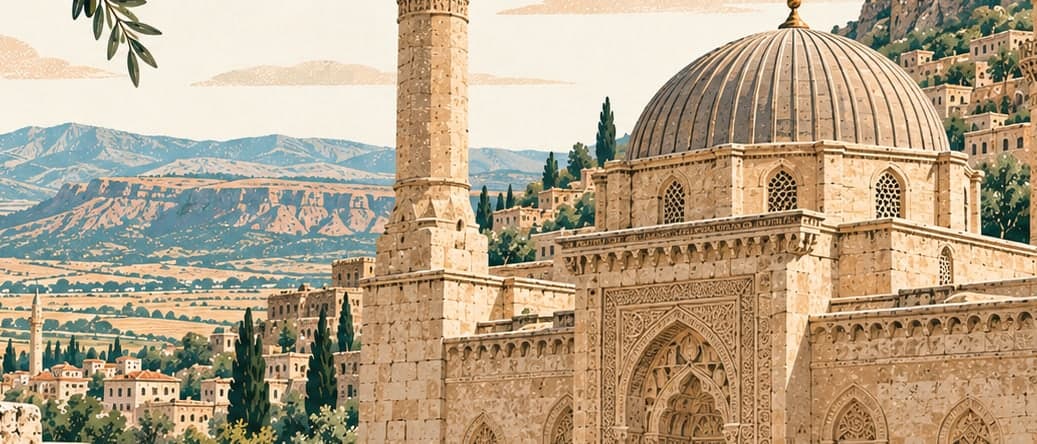
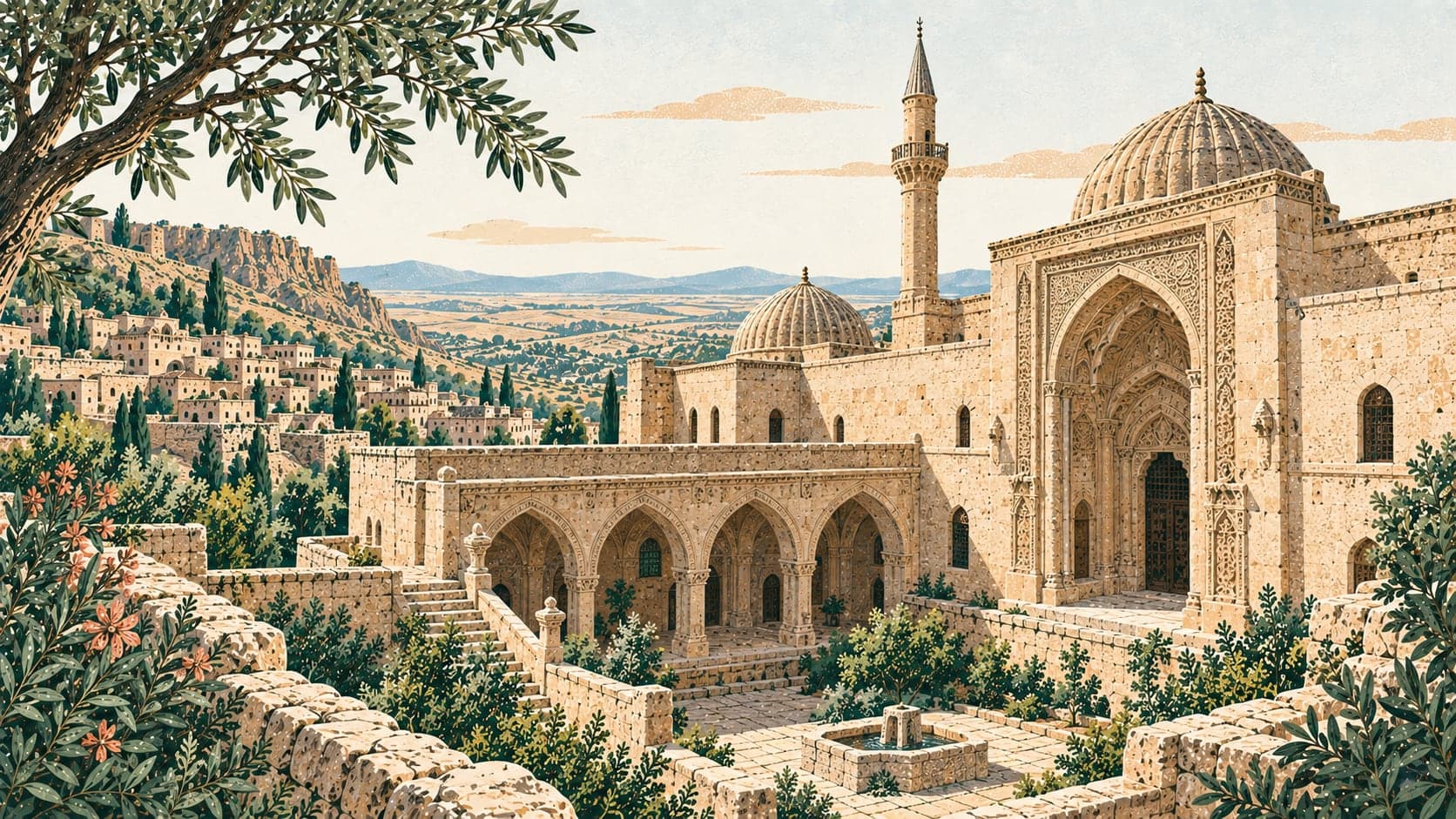
The Kasımiye Medrese stands in Mardin. Building was begun under the Artuqids but left unfinished because of the Mongol attacks in the time of Timur, and it was completed at the end of the fifteenth century under the Akkoyunlu sultan Kasım ibn Cihangir.
While it was teaching, the medrese was among the most important centres of learning in the region, and in the sixteenth century it is known to have been the best endowed medrese in Mardin. It closed during the First World War. The building also holds two mosques, a tomb and a fountain, and it houses the El Cezire Art Museum today.
According to local accounts Kasım Pasha was killed here. The story goes that when he died his sister rubbed his bloodied shirt against the walls of the iwan while she keened for him, and that the marks of that blood still show on those walls when water is poured on them.
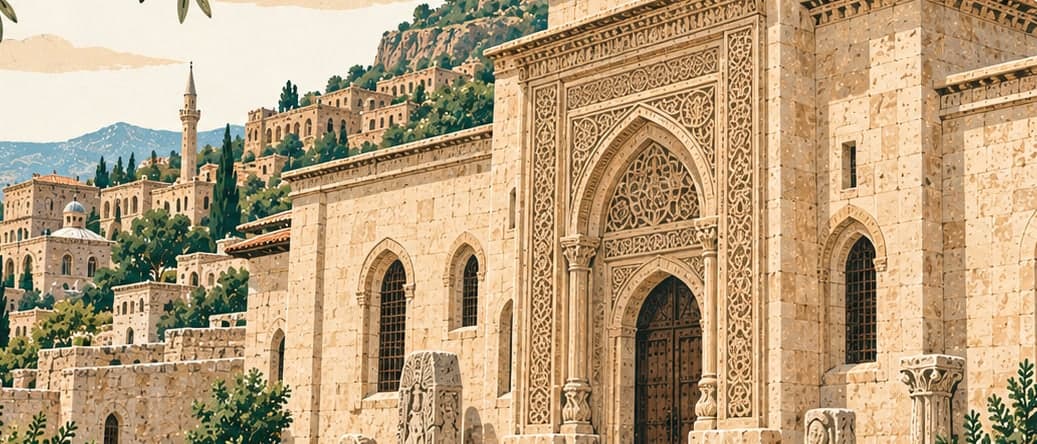
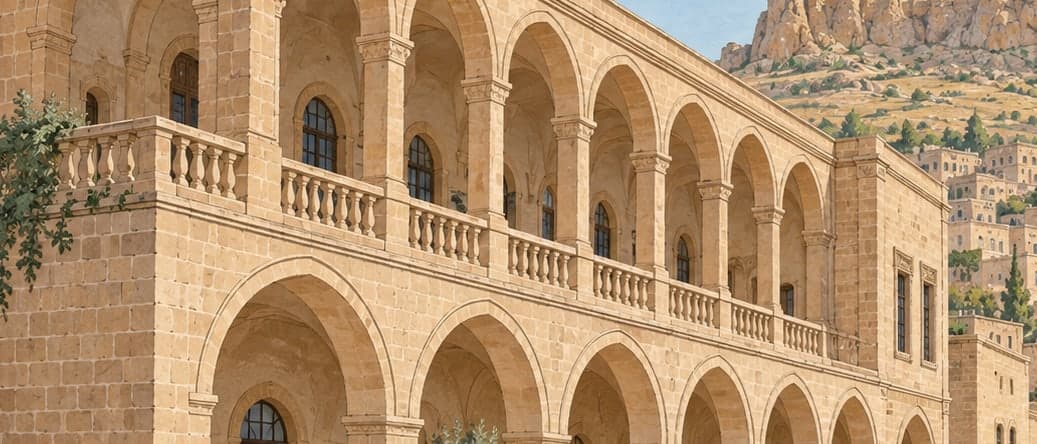
The building was put up in the architecture of the Artuqid period. It has two floors and is laid out around a single courtyard, with its southern face looking over the plain; the entrance is on that side. The doorway is worked with ornament of various kinds, some of it now damaged.
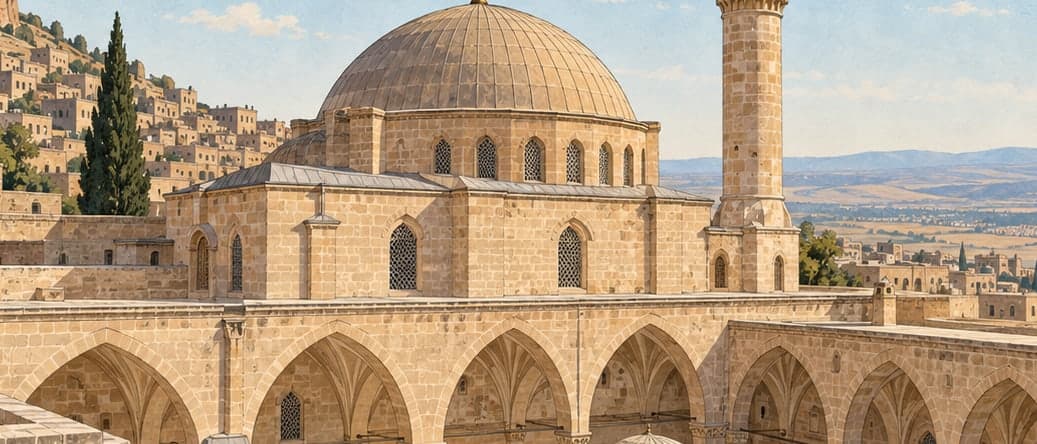
On the west of the building is a mosque used by the Shafi'is, rectangular in plan and domed; the mosque used by the Sunnis stands on the east and is somewhat smaller. The fountain is on the northern side.
The flow of water through the pool in the courtyard is taken to stand for human life from birth to death and after: the water issuing from the fountain is birth, the place where it falls is youth, the long narrow channel is maturity, and the gathering of the water in a pool is death. From there the water is carried through channels into the soil, and out of the soil it comes to life again.
From sunrise to sunset every classroom takes daylight, whichever way it faces. The doors of the classrooms stand a little over a metre high, and it is said that this height was chosen deliberately, so that a student would have to bow his head on entering his teacher's presence.