Guide
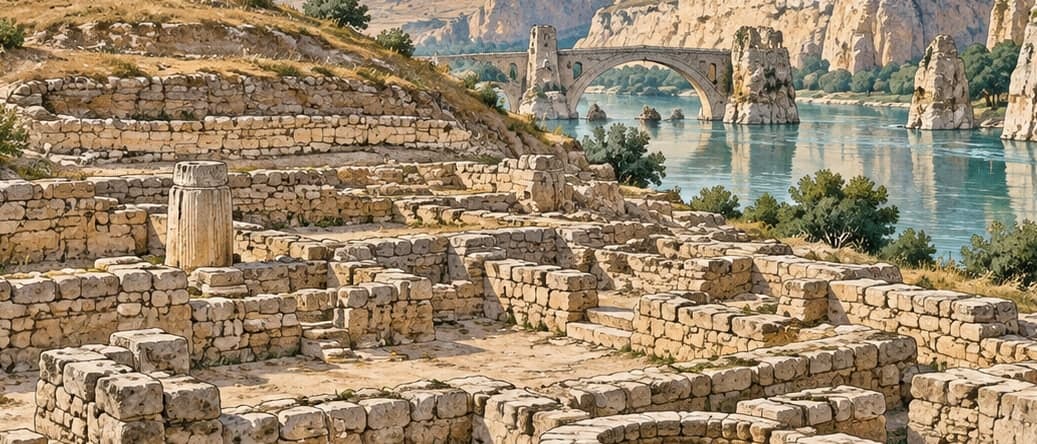
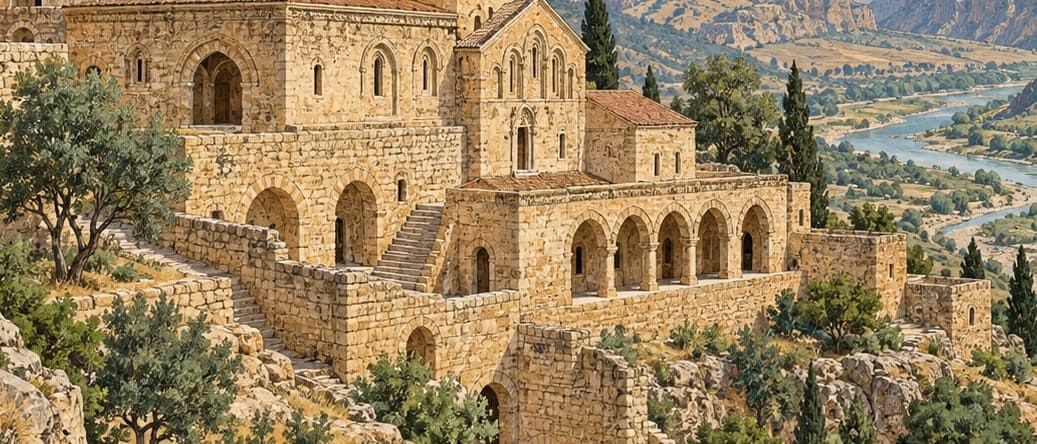
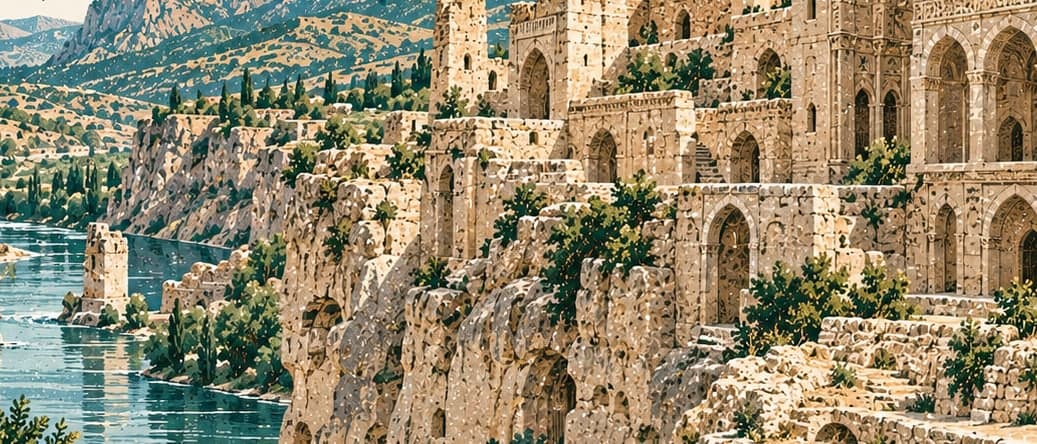
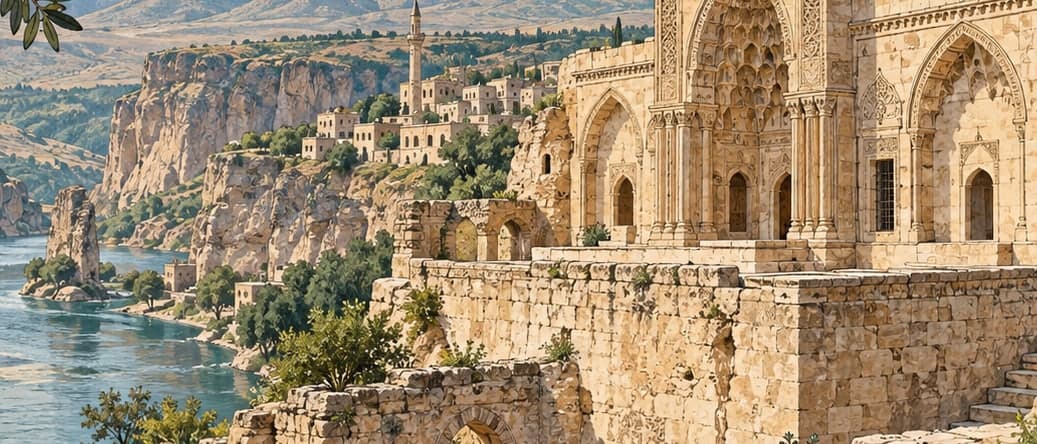
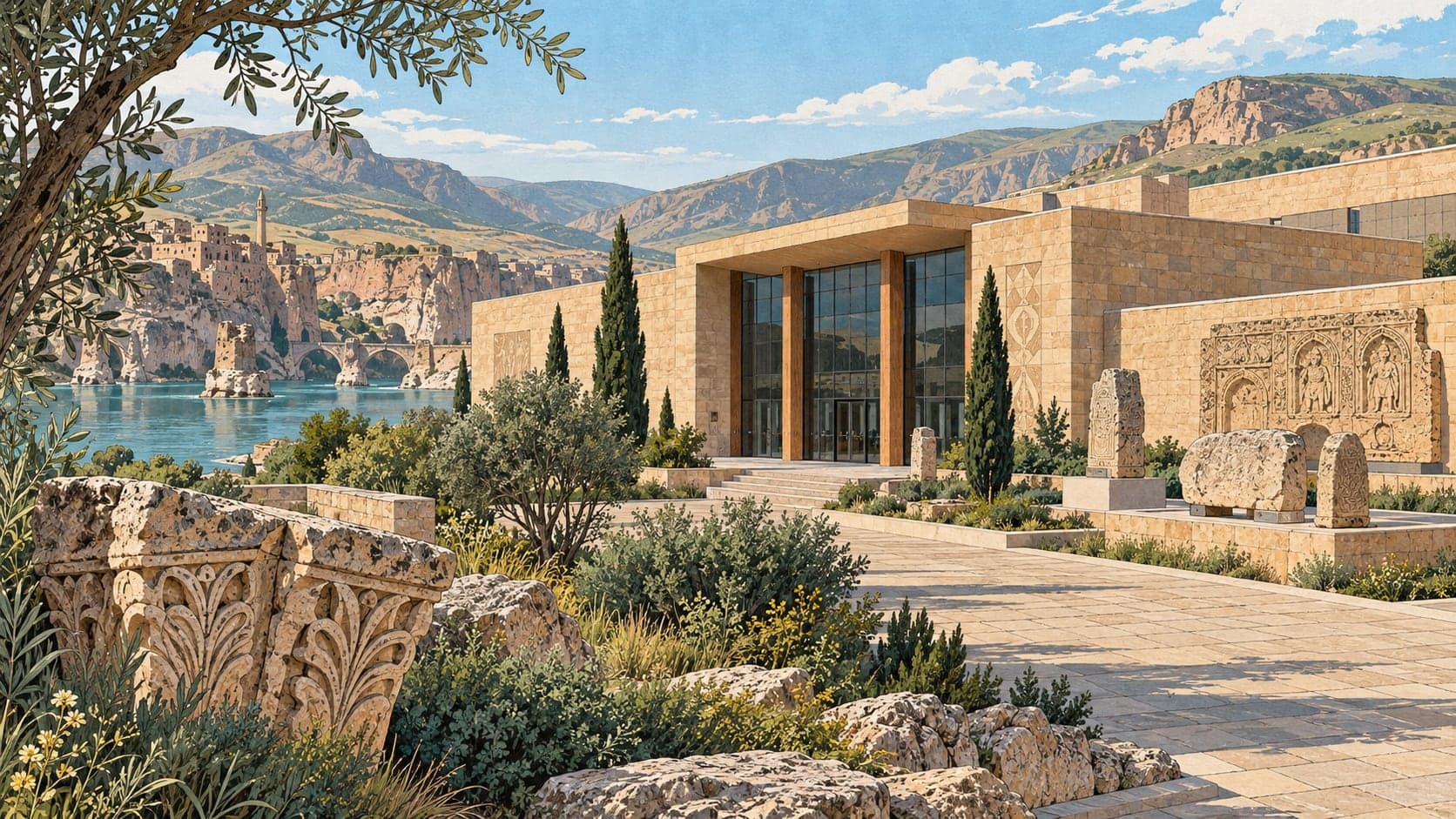
The Hasankeyf Museum was built to hold what the rescue excavations produced. Those digs were carried out on important historic sites — mounds among them — affected by the Ilısu dam, and the museum in the new settlement area of Hasankeyf was designed to suit the town's own architecture.
Construction began in 2012 on a complex that includes the museum building, entrance structures, an open-air theatre with its backstage building, a greenhouse, a park, and the landscaping around them; the provisional handover was in June 2015 and the final one in March 2019. The museum operated at first as a branch of the Batman Museum Directorate and was established as the Hasankeyf Museum Directorate in May 2019, beginning work that December. The site covers about 102,668 square metres, including an archaeopark.
The collection is broad: plant fossils and geomorphological material, archaeological and ethnographic objects, coins, tablets, seals and seal impressions, architectural elements including a portal and a dome interior, and stone works. It was assembled from objects transferred from the Batman, Diyarbakır and Mardin museums, from rescue excavations in Batman, Diyarbakır, Siirt and Mardin beyond Hasankeyf itself, and from purchases and donations.
The display is built to be used rather than only looked at, with computer-supported exhibits, touchscreens, interactive systems and a simulator.