Guide
Gökçeada — İmroz under its older name — has left little record of its ancient history. Its earliest known inhabitants were the Pelasgians. Miltiades tied the island to Athens in 500 BC and it remained under Athenian rule until the Romans. Mehmed II brought it into Ottoman territory in 1455. It was under Greek occupation between 1922 and 1923, and passed to the Republic of Türkiye on 22 September 1923 under the Treaty of Lausanne.
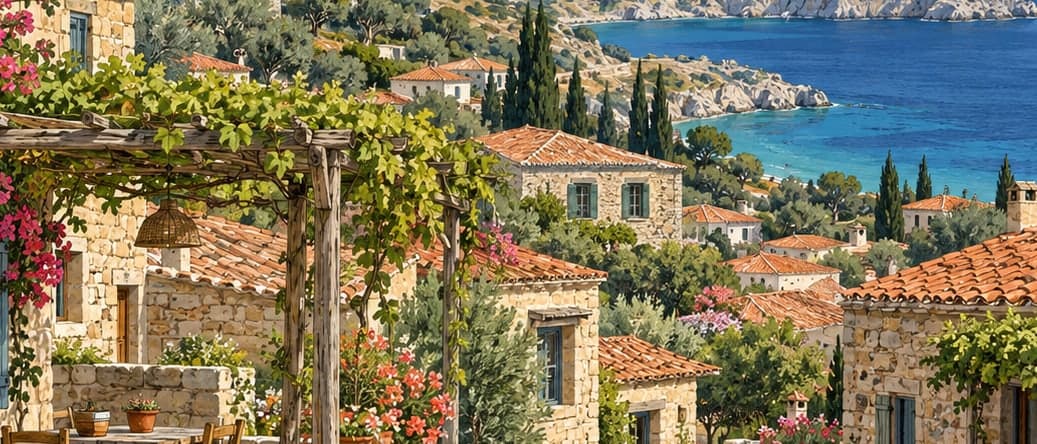
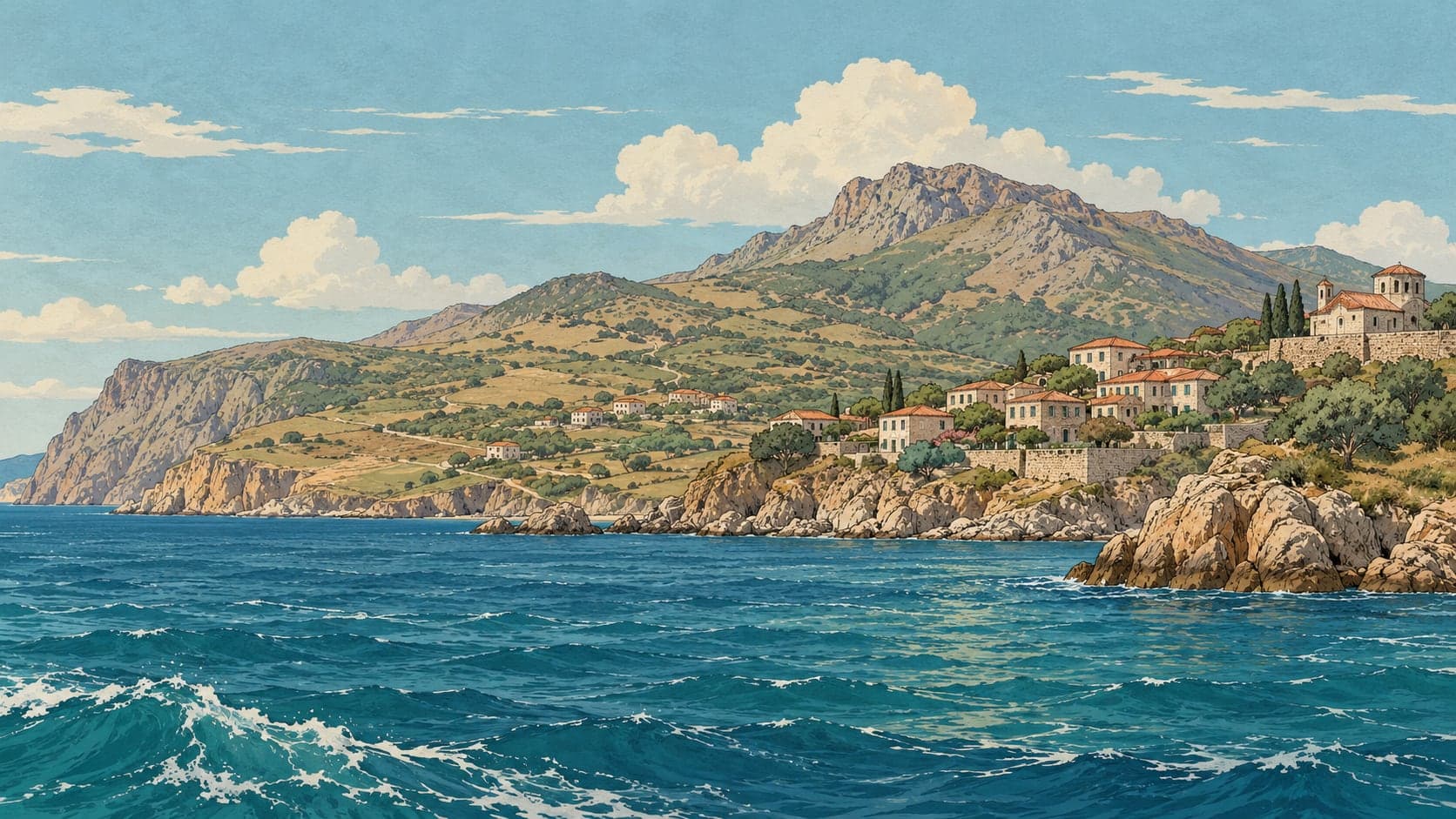
Several of the villages are protected. Old Bademli is one, and its historic laundry house, the century-old plane tree in front of it and the school buildings are what to look at there. At Yeni Bademli the mound is still being excavated, and near Kokina there is a Roman rock tomb with two burials. Tepeköy, the highest settlement on the island and a Greek village, is protected as well. So is Dereköy, among the oldest: a very large village of 600 households in the 1950s and 60s, now largely abandoned. The 38-metre Marmaros waterfall is there.
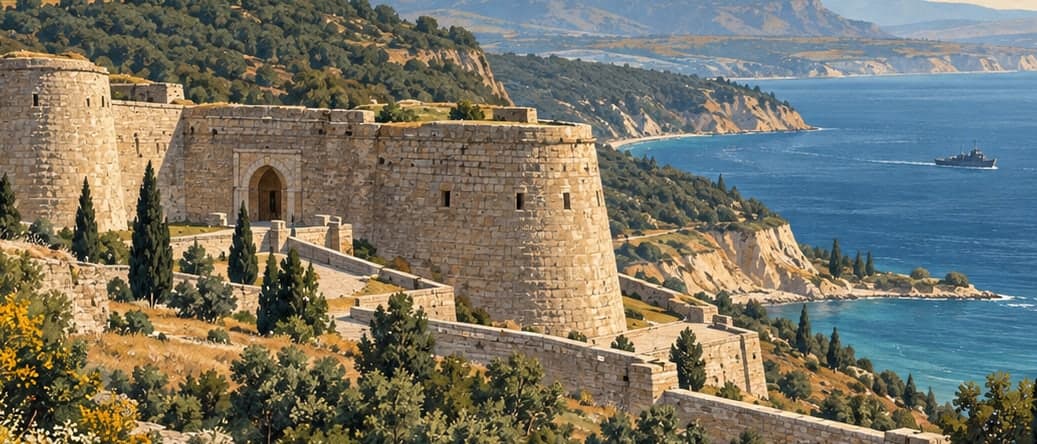
Most of the hotels and restaurants are at Aşağı Kaleköy; Yukarı Kaleköy was built at the foot of the old castle remains. The only underwater national park in the country lies between Yıldızkoy and Yelkenkaya, a stretch with unusual rock formations, assigned to the Turkish Marine Research Foundation and declared a protected area.
Zeytinli village is protected too, and it is where the island's food is easiest to find: the wines, and a dish called cullama made with local herbs such as nettle and fennel, with mastic pudding and dibek coffee now well known beyond the island. Aydıncık beach at Eşelek is the island's favourite and suits windsurfing; the salt lake with its medicinal mud is there as well. Past Kuzulimanı, Kaşkaval Burnu — also called the Cheese Rocks — along with Uğurlu village, Gizli Liman, İnceburun and Şirinköy are worth the drive.