Guide
This museum of medical history began as a collecting habit. From 1983, when Prof. Dr. Nil Sarı took over the department of deontology and medical history at Cerrahpaşa, historical material was gathered from the faculty's own departments, laboratories and pharmacy, from state hospitals, from private surgeries and chemists' shops, from retired doctors, dentists, pharmacists, nurses and midwives, from the families of health workers who had died, and from second-hand booksellers and antique dealers — mostly by donation, sometimes by purchase. With support from private sponsors, display cases were built in an empty hall of the department, and the museum Sarı founded opened formally on 20 May 1985 as a museum of medical and pharmaceutical history.
It outgrew that room. As the collection grew, much of it went into storage, and under a later rector and dean the oldest building on the campus was allotted for a medical museum; the faculty's foundation and revolving fund paid for repairing the building and the material and for making the cases. Donations rose again during the move — the pharmacology department gave historical material surviving from the time of Prof. Dr. Akil Muhtar Özden at the Haseki hospital, and books, photographs and documents from the department's own archive and library were added. The basement was repaired in 2005 to give modern storage conditions, with fire and security measures put in.
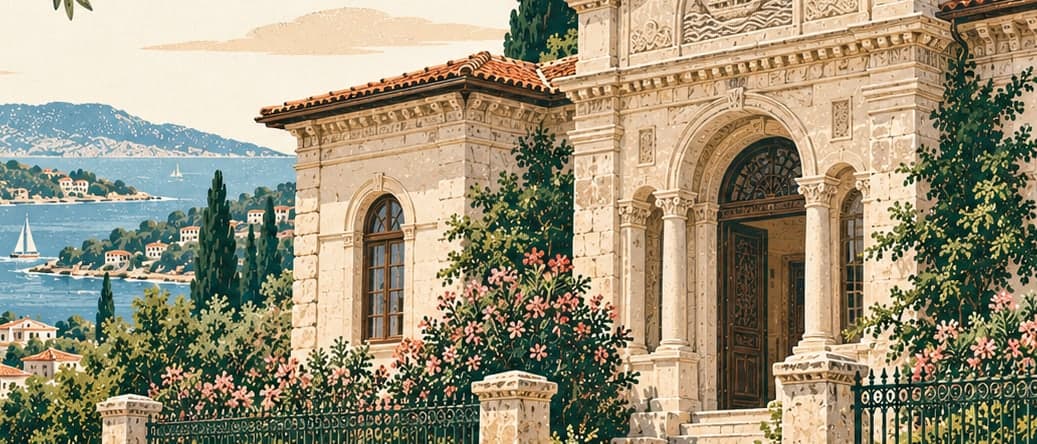
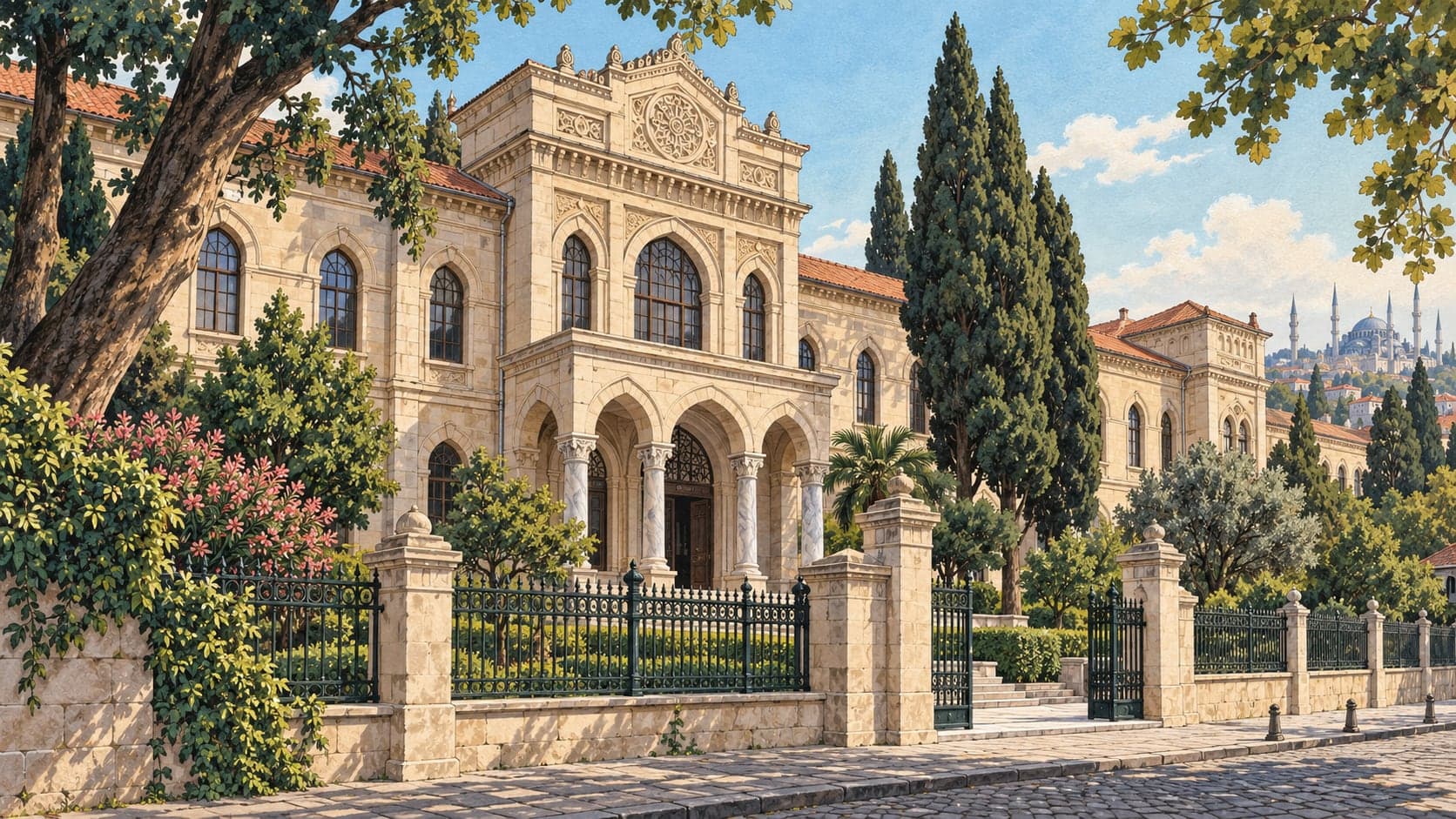
The building has a history worth knowing before you go in. During the cholera epidemic of 1893 the city used the Takiyeddin Paşa mansion in Cerrahpaşa as a temporary cholera hospital until April 1894; repaired in 1909, it opened as the Cerrahpaşa municipal hospital on 23 July 1910. Two masonry buildings were begun in 1911 in place of the wooden mansion and opened with 150 beds in 1915 — the one that now holds the museum as the central block, the other as the surgical pavilion. When the university's medical faculty clinics were distributed among five hospitals in 1933 and the surgical, first internal medicine and eye clinics moved to Cerrahpaşa, this building went on serving as the centre. The hospital takes its name from the complex built by Cerrah Mehmet Paşa, a palace surgeon under Murad III and Selim III who rose to be grand vizier.