Guide
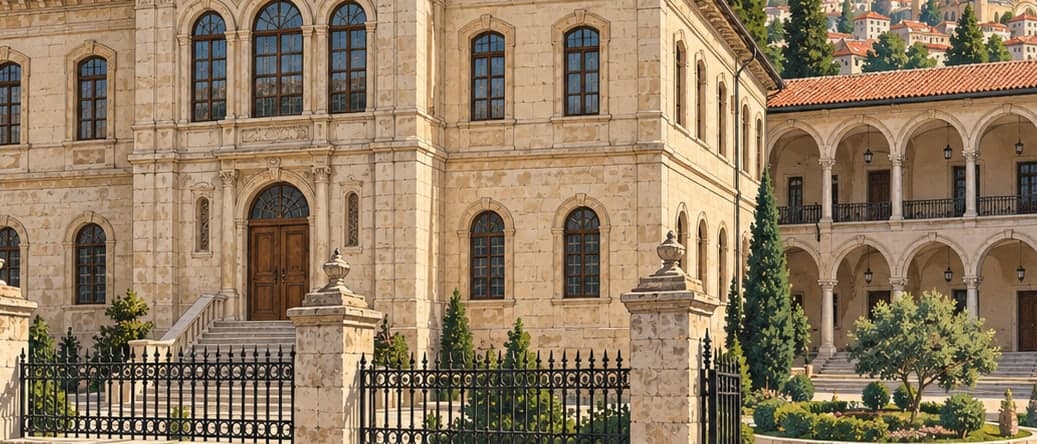
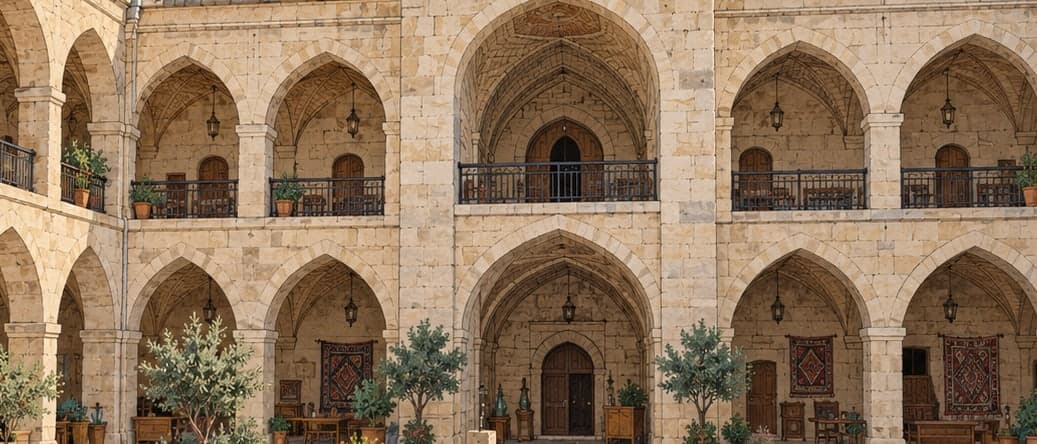
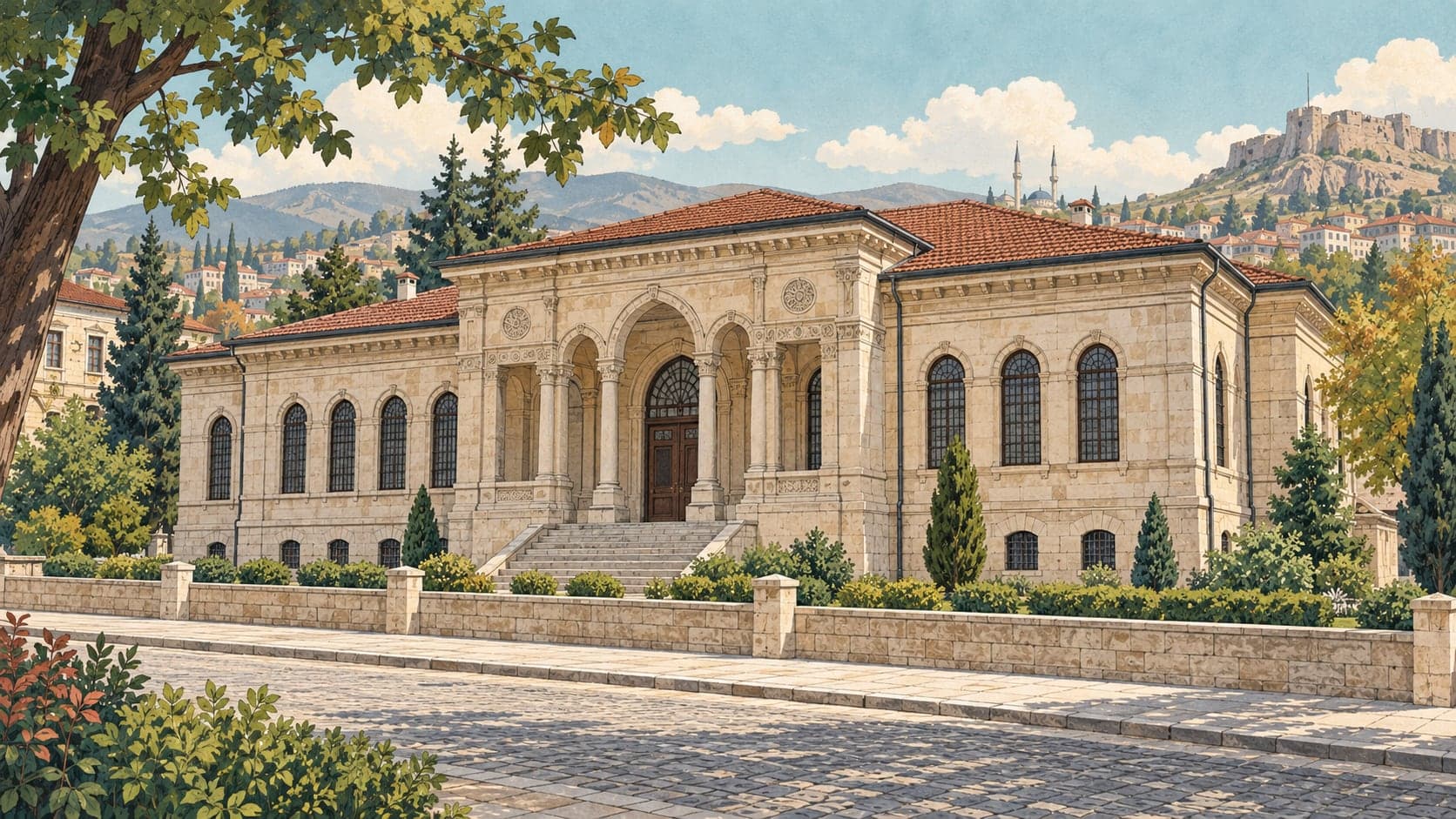
The museum occupies the old school of arts on Rahmi Günay Caddesi in the Yüceyurt quarter of central Sivas, a building registered as a cultural property in need of protection. It was raised between 1896 and 1899 by Reşit Akif Paşa, then governor of Sivas, as a Sanayi-i Mektebi, a school of industry.
In 1911 another governor, Muammer Bey, opened a smithing and carpentry workshop opposite the carpet-weaving school, meant to train intermediate technical staff for the factories. The school went on working in the first years of the Republic, but once the newly built industrial vocational high school proved sufficient the old building stood idle for a time.
Restoration was begun in 2005 by the special provincial administration of the Sivas governorate and finished in 2007. The Ministry of Culture and Tourism arranged the display, and the building opened to visitors as the Sivas Archaeological Museum on 29 April 2009.
The archaeology hall is laid out on a single floor and follows a chronological order.
The section of archaeological finds holds fossil remains from the excavation at Haliminhanı-Haymanlı, and then material running from the Chalcolithic and Early Bronze Ages through the ancient cities of Kuşaklı-Sarissa at Altınyayla and Kayalıpınar-Samuha at Yıldızeli, the Iron Age, and the Hellenistic, Roman, Byzantine, Seljuk and Ottoman periods. Among the smaller finds are terracotta vessels, everyday objects of many forms, metal and medical instruments, ritual vessels, Hittite tablets, seals and seal impressions, and ornaments.
A case of gold work displays ornaments and jewellery of the Urartian, Roman and Byzantine periods.
The stone works reflect the funerary culture of the peoples who lived in and around Sivas, and include inscriptions written in Hittite hieroglyphs, an orthostat carved with a goddess, lion statues, Roman sarcophagi, Seljuk and Ottoman tomb chests and grave inscriptions, and inscriptions taken from the historic buildings of the city.
Also on display is the bust of Osman Bey, commissioned in 1916 in the district of Hafik by the governor Muammer Bey from the craftsmen of the day, which the museum describes as the first monumental statue of the Ottoman period.
The glass section shows perfume vessels, tear bottles, unguentaria and amphoriskoi of the Hellenistic, Roman and Byzantine periods alongside everyday objects, and the coin display covers Greek, Hellenistic, Roman, Byzantine, central European and Islamic issues in gold, silver and bronze, together with a group of Ilkhanid coins.
Visit status for this record: open to visitors.