Guide
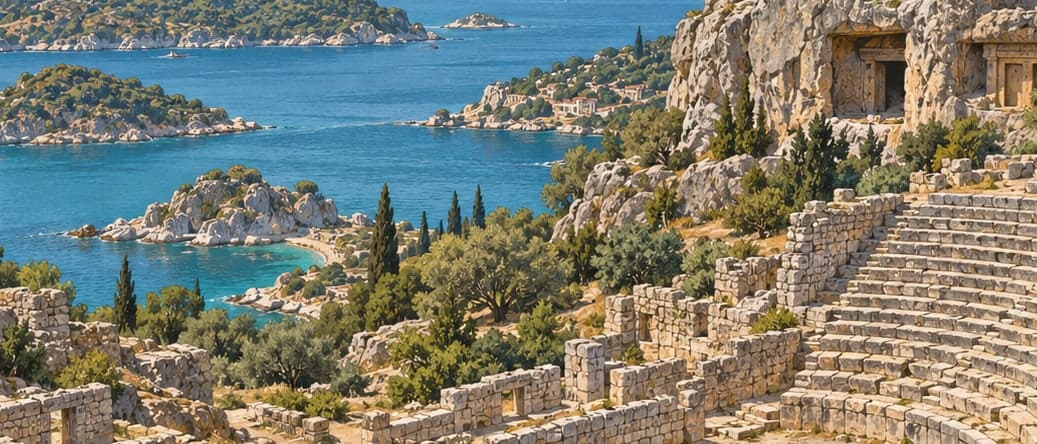
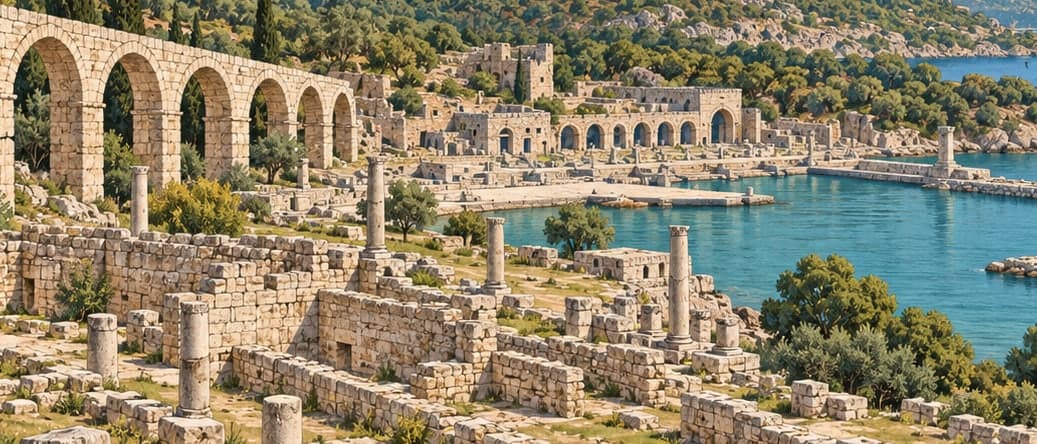
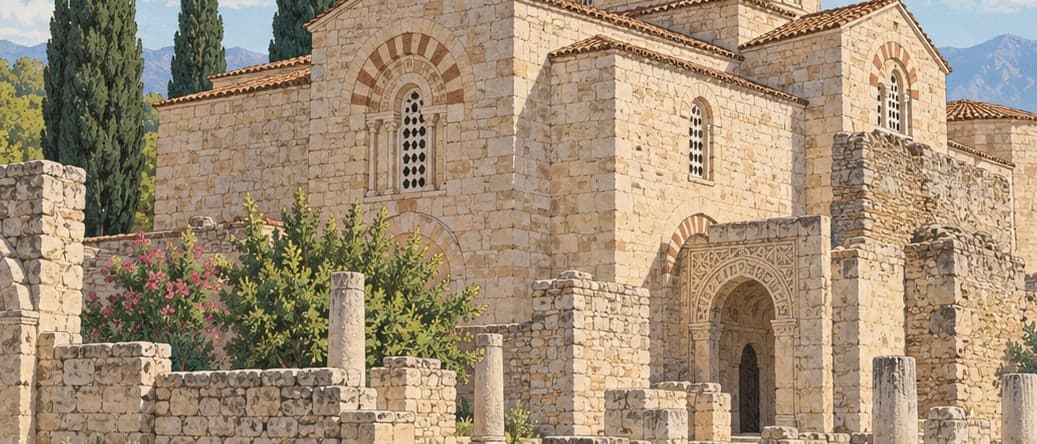
Theimiussa lies at Üçağız, reached by turning south at the twentieth kilometre of the Kaş-Demre road, and the ruins begin on the eastern side of the village where the houses thin out. An inscription found here shows it was not a city in the administrative sense but a village; the grave inscriptions, which require fines for violent crimes to be paid to Myra or Kyaneai, indicate it was a maritime unit dependent on those cities. The first thing you meet is a miniature fortress right on the shore, built of rusticated rectangular masonry, later enlarged in the Byzantine period into a wall that enclosed the settlement. Where the territory met that of Tybersissos there is an acropolis in the same technique, which must have been conceived together with Tybersissos as the last line of defence.
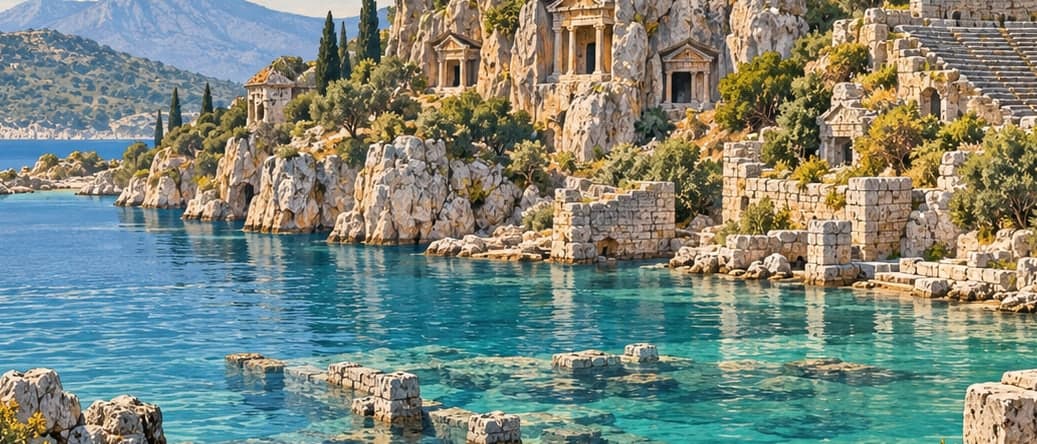
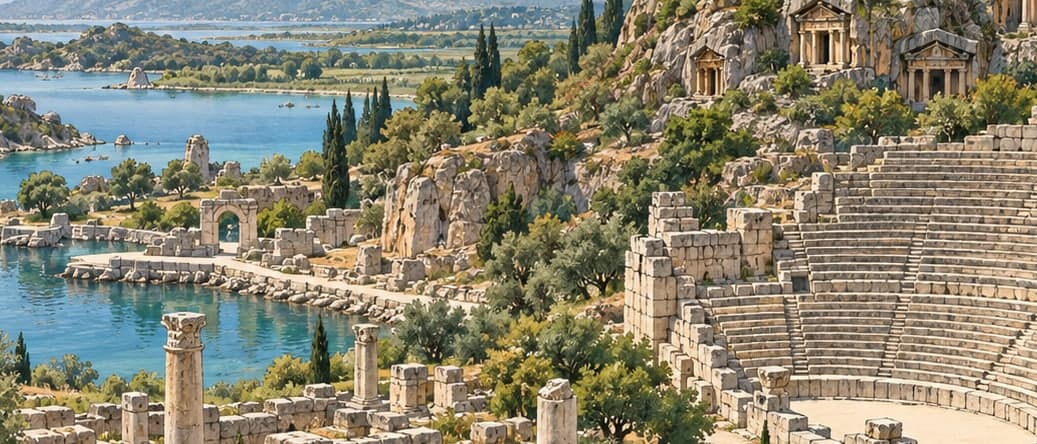
Walking east from the jetty, a little back from the shore, you come to a pair of house-type rock tombs whose doorways have been destroyed. On the right side of the eastern tomb stands the figure of a young man or a boy, and above the door is an inscription in Lycian naming the owner as Kluwanimi. East of that tomb building a channel runs between two cut-stone walls, and a large number of Late Hellenistic and Roman sarcophagi are lined up around it; at the northern end the channel finishes in an Early Byzantine structure whose purpose is not established. Theimiussa is included among the Ancient Cities of the Lycian Civilisation put forward for the UNESCO World Heritage List in 2009. You need your own vehicle.