Guide
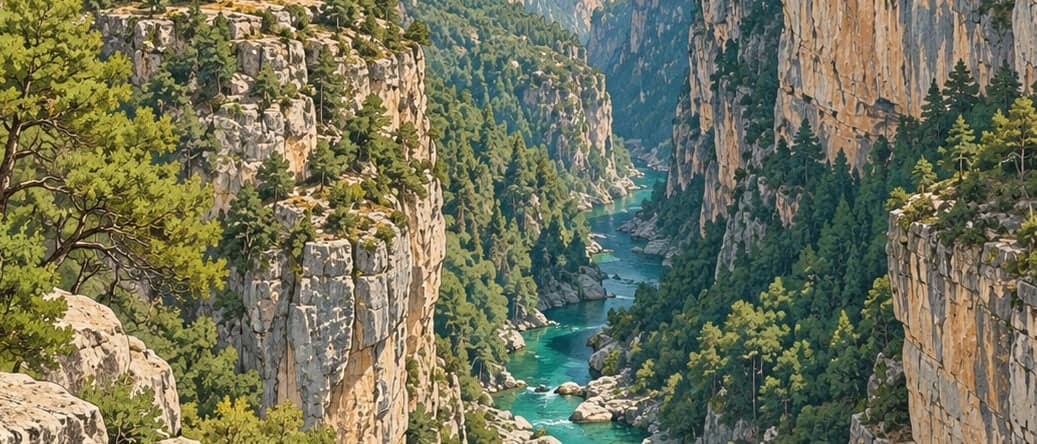
Termessos lies in a valley between the peaks of Solymos — today Güllük — in the part of Pisidia known as Milyas, and it was founded by the Solymi, descended from the Luwians, among the oldest peoples of Anatolia. It stands inside the national park that carries its name, which our inventory holds as a separate record.
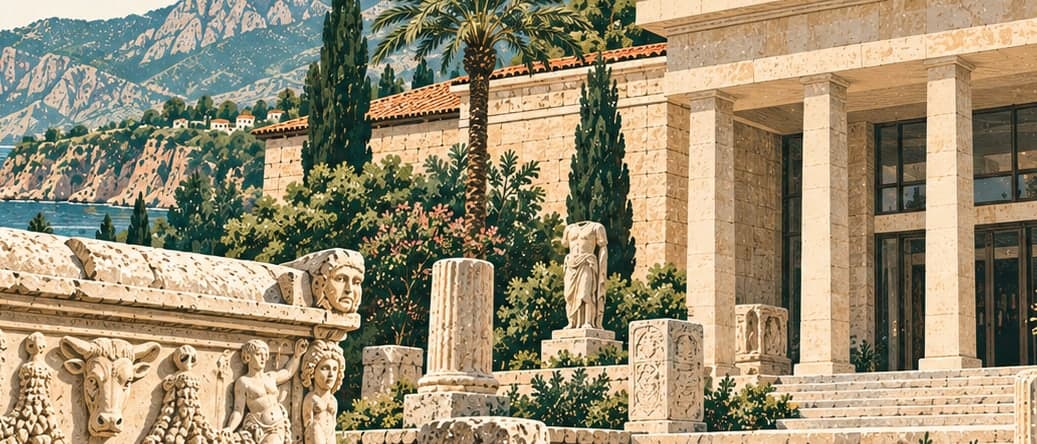
Seeing it means climbing. The remains begin at the Hellenistic wall near Yenicekahve on the Antalya-Korkuteli road and continue to the summit of Güllük; the site is reached by a road turning up to the left at the 24th kilometre of that road, and from the car park a footpath climbs into the city. On the right of the path are the steps and monumental entrance of an Ionic temple of Hadrian's time. Climbing south past the lower walls and the spring brings you to the gymnasium, part of its first storey still standing, and southwest of that a colonnaded street with shops behind it, beside channels that still show how good the drainage was.
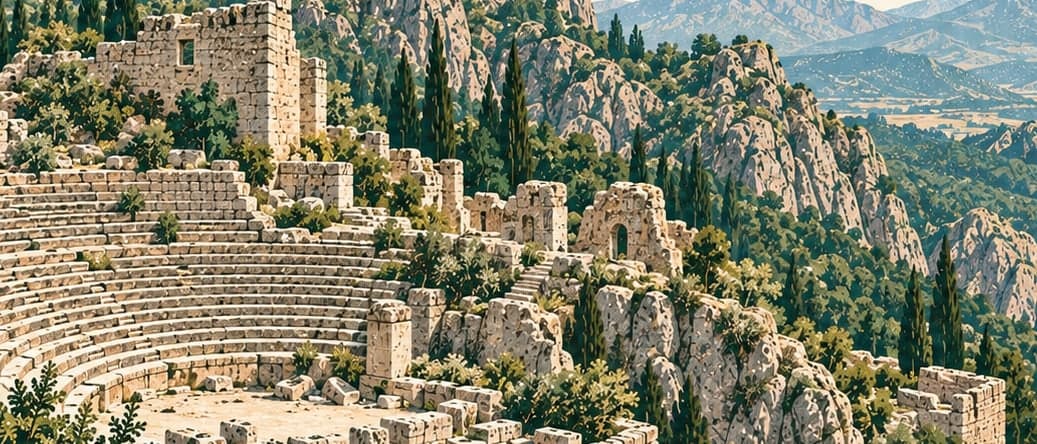
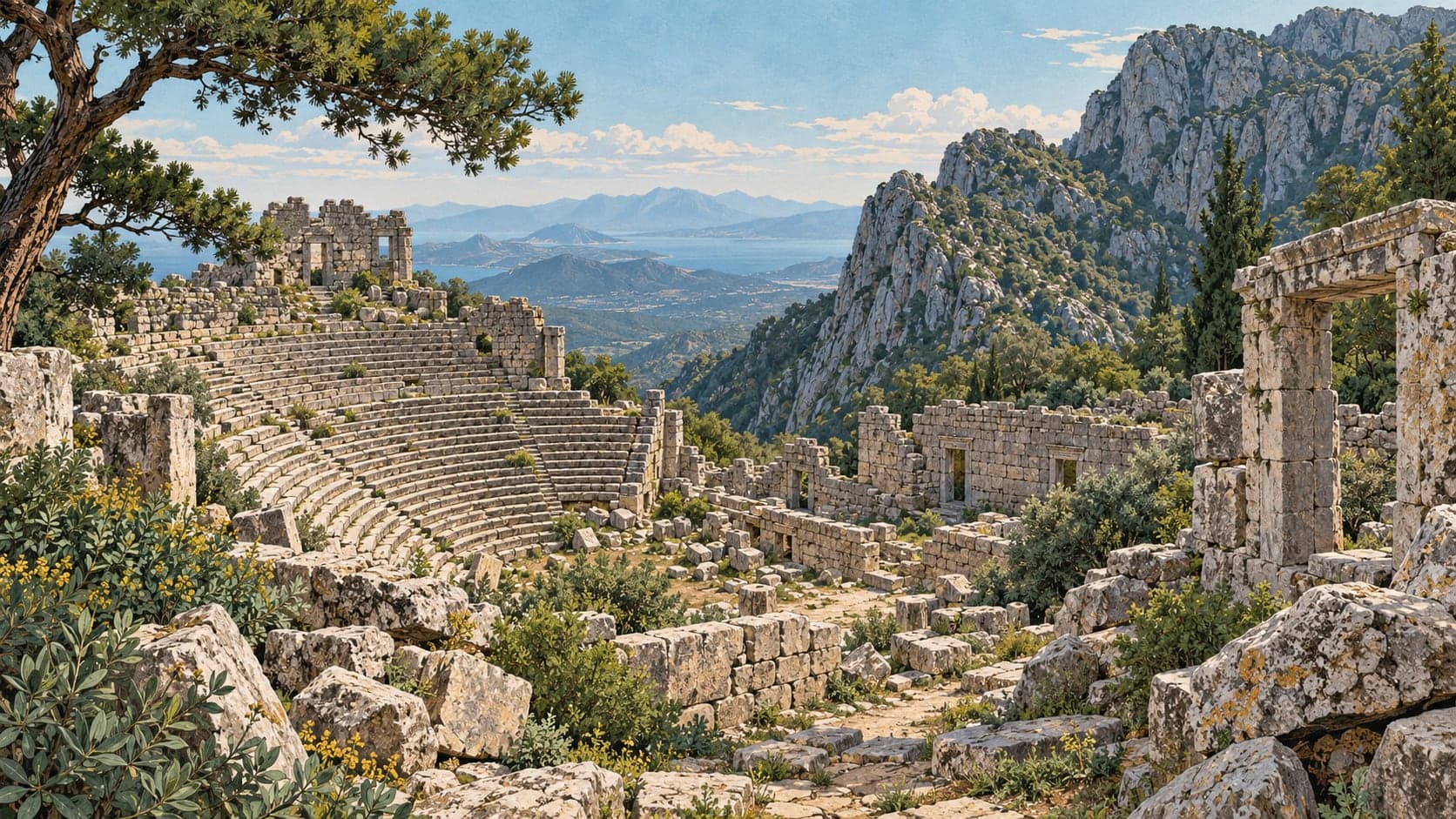
On the flat ground above lie the public buildings: the agora, with a Doric portico on its west built under Attalos II between 159 and 138 BC; the theatre east of it, set against the slope and looking out to the gulf of Antalya; and about a hundred metres southwest, the council house, standing to roof height. Five interconnected cisterns on the flat east of the agora are, the ministry says, without parallel for their depth and width. Southwest of the city are the remains of a Roman villa called the Founder's House, its Doric front wall reaching six metres, named from the inscription beside its door.
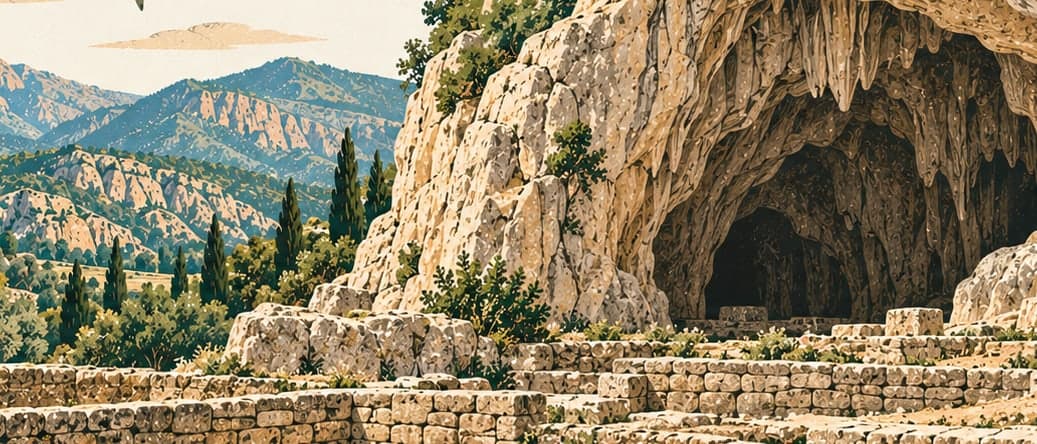
The city has many temples and very wide cemeteries, with tombs of unusual variety and rich carving; among them is the tomb of Alketas, one of Alexander's commanders, dated 319 BC. Termessos first enters history when Alexander besieged it in 333 BC and its people held out and refused to surrender. After his death it passed to the Ptolemies. In 189 BC the Termessians seized the neighbouring city of Isinda and were punished for it by Manlius Vulso, the Roman commander in Anatolia. By 71 BC Rome had granted the city friendship and alliance, and the Roman senate confirmed that it was independent in its affairs and would make its own laws. Of the Byzantine period and after, the ministry says plainly, nothing at all is known; the city was never resettled after it was abandoned.