Guide
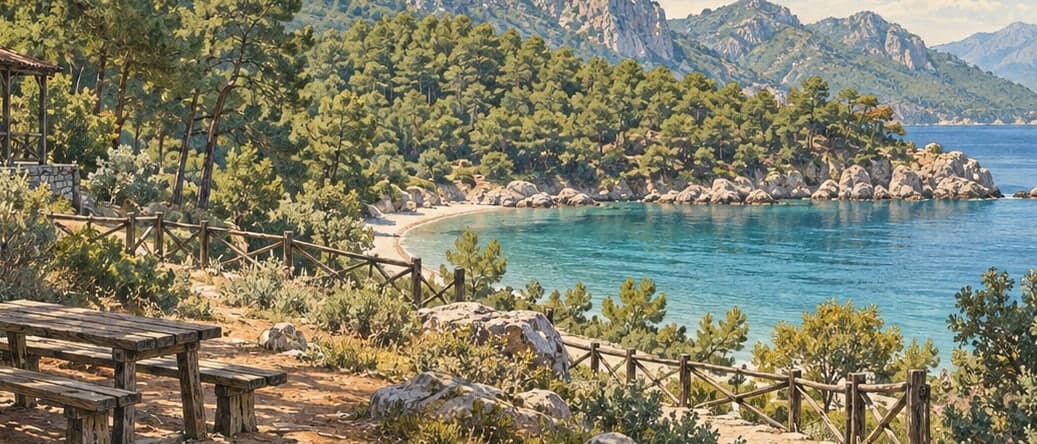
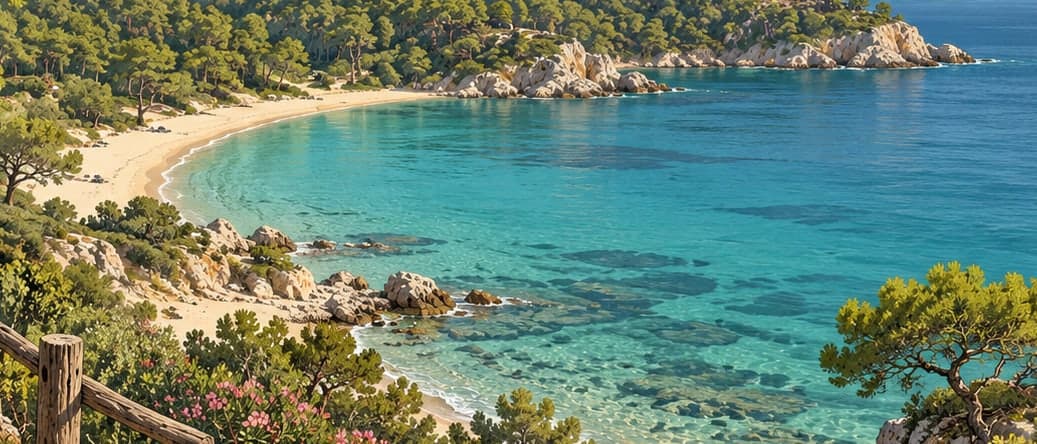
Ören lies on the shore of the gulf of Gökova, 45 kilometres from Milas. It is a holiday town of mostly summer houses and has begun to draw visitors from within the country in recent years. It can also be reached from Gökova and Akyaka by a road of 48 kilometres that runs along the north shore of the gulf in front of the Kıran mountains.
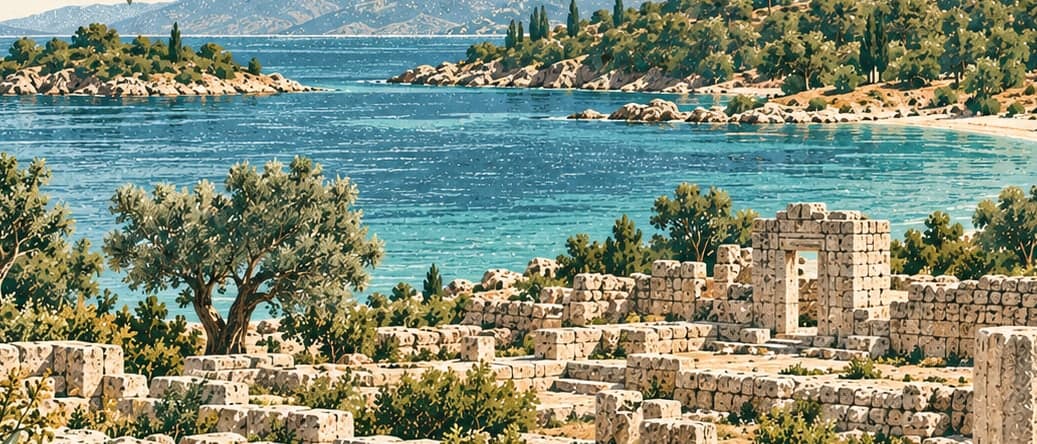
The remains of ancient Keramos lie between Ören and Akyaka. The name means pottery. Under Rhodian control in the Hellenistic age, the city made an alliance in that period with its northern neighbour Stratonikeia. In 129 BC it was taken into the Roman province of Asia, and from then on it steadily lost importance.
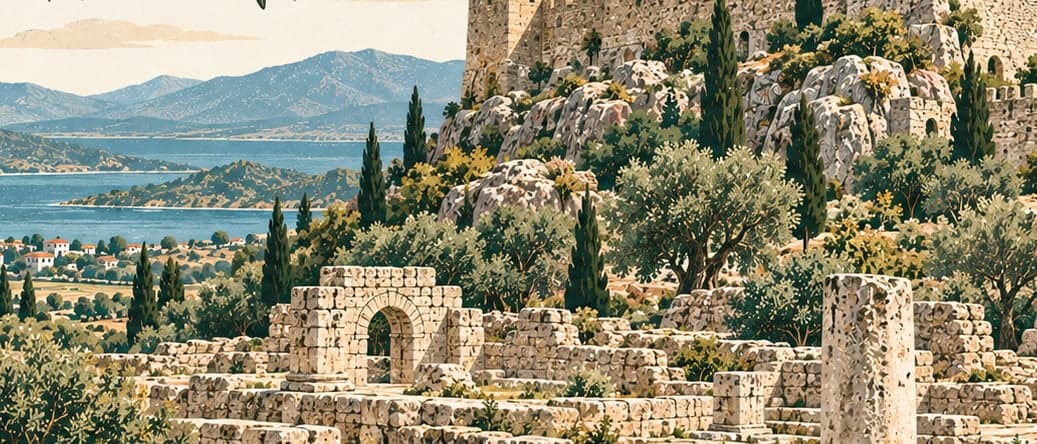
The walls on Meşekayası Dağı behind Ören have survived. Their lower sections are built of polygonal courses while the upper ones use a technique that produces regular horizontal lines.
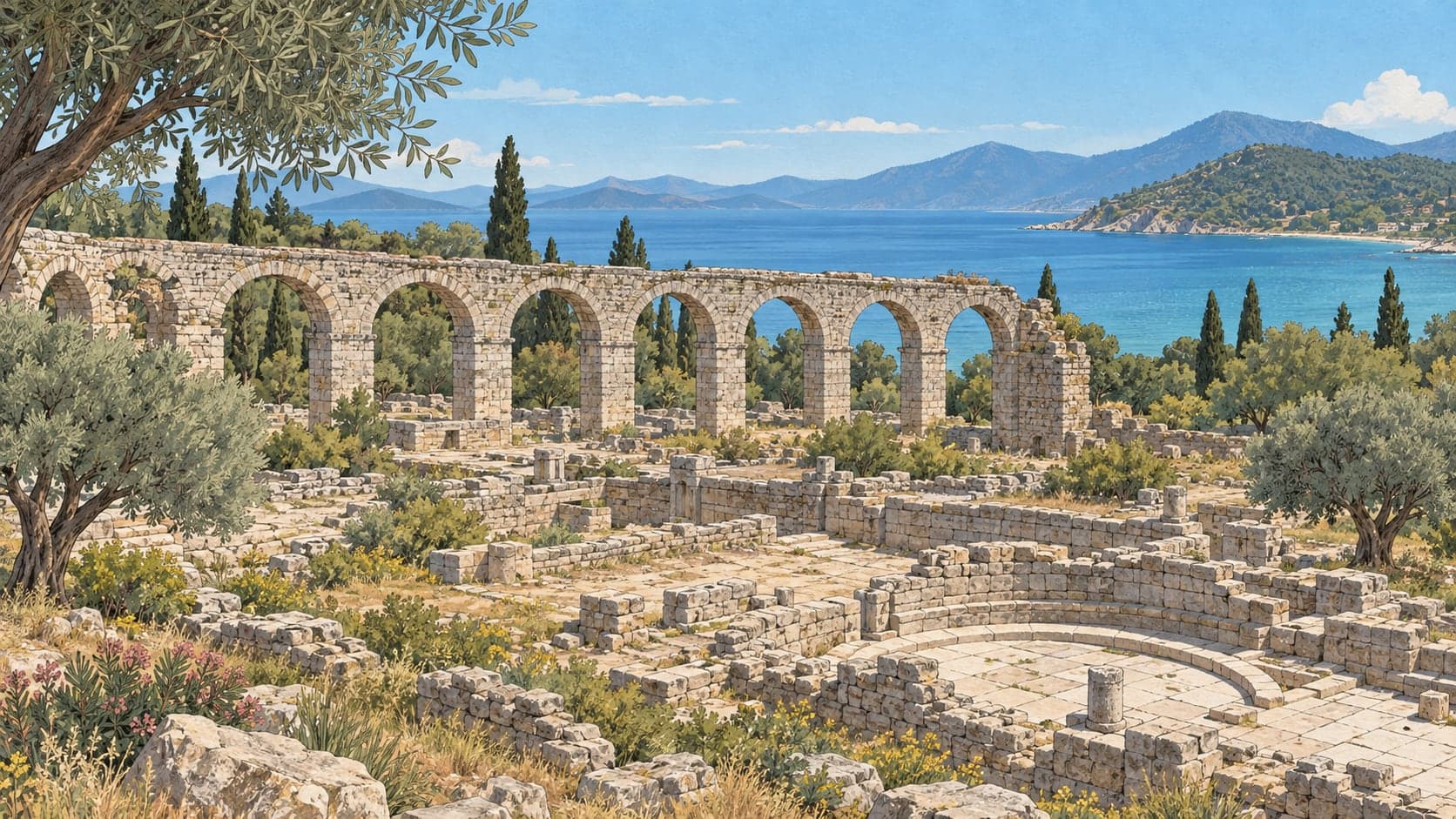
On a rocky terrace known locally as Bakıcak stand the two important temples of the city, reaching lengths of 25 metres. The building called Kurşunlu takes its name from the lead dowels used to join its stones; its terrace walls keep their original form on the south and west while the east has collapsed. On the level above the terrace are architectural pieces of the Corinthian and Ionic orders, and it has been proposed that this temple area belonged to Zeus Krysaoreus. Within the town itself, Akyapı is a large building complex of the Roman period, and those coming by the Gökova road meet aqueducts on the far side of Meşekayası before reaching Ören.