Guide
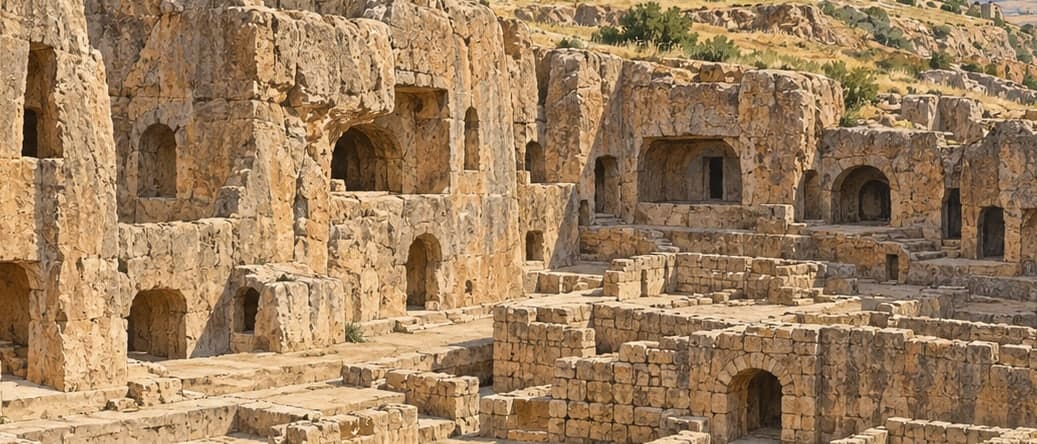
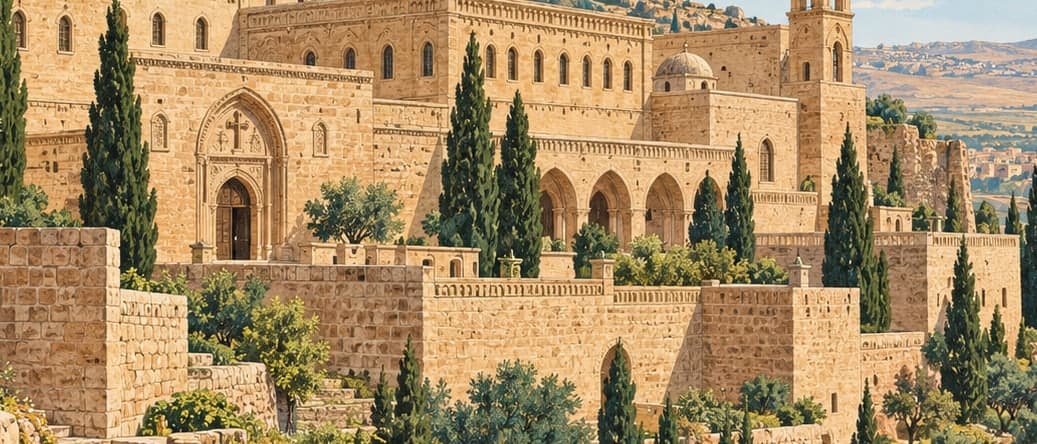
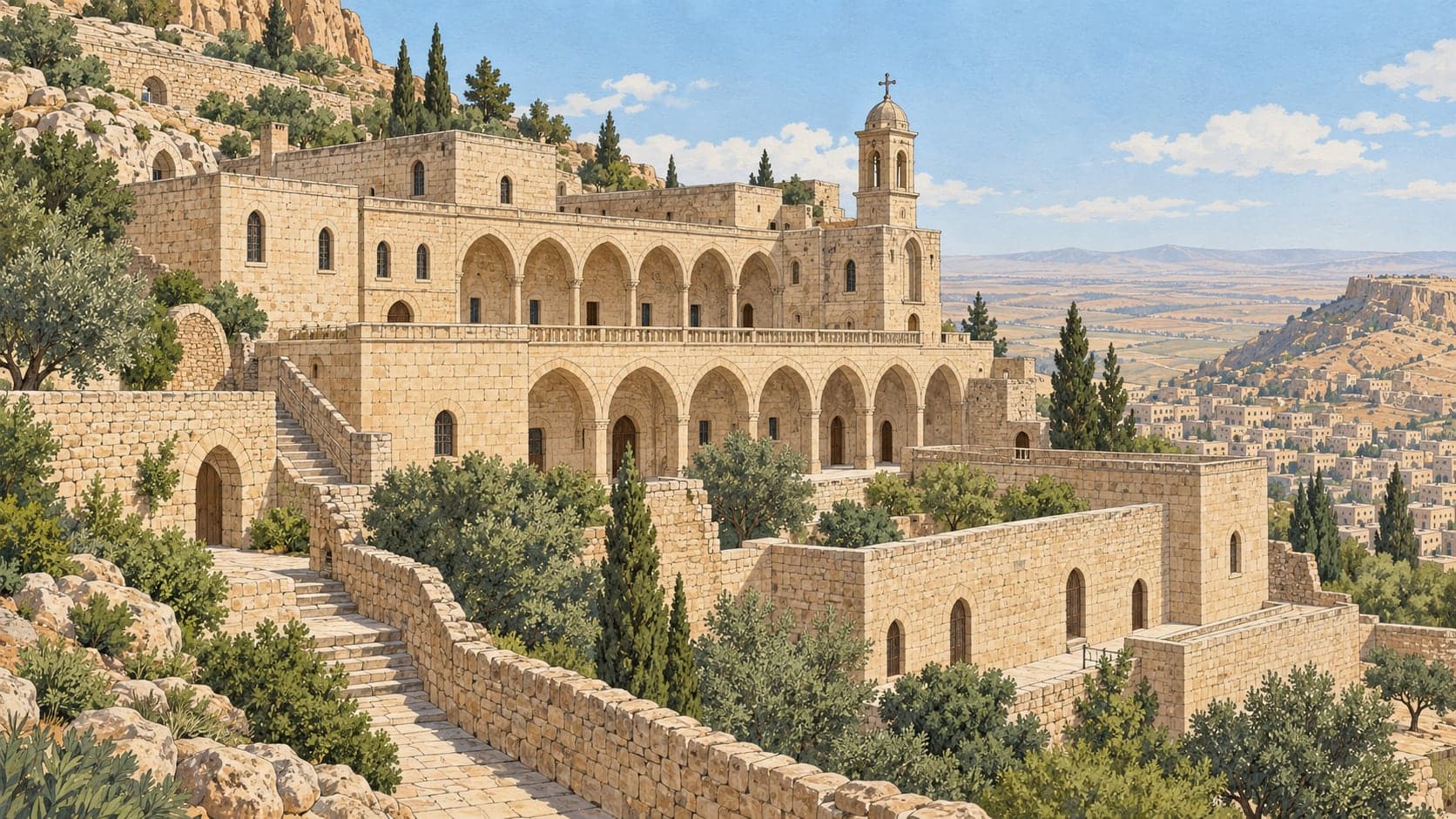
The monastery of Mor Yakup stands in Nusaybin, next to the Zeynelabidin Mosque, and was founded in 419 in the name of Saint Jacob. According to the tradition recorded by the Ministry, Mor Yakup was born in Egypt in 330 and became a monk at a small monastery in Alexandria, then travelled by sea to Tarsus and on to Diyarbakır before settling in the village of Salih in Turabdin; his life was remembered for healings, and he was later counted among the saints. Older still is what stood on the spot before: a Persian-period temple, whose ruined arches can still be picked out if you walk around the building. The account continues that at the end of the fourth century a Persian commander came to sacrifice at that temple and killed Mor Bar Sabo and eleven of his students there.
Mor Yakup died in 421 and his student Mor Daniel remained alone on the site, but over time hundreds of monks settled and the monastery had to be enlarged. Mor Daniel died towards the end of the fifth century, and between 508 and 510 a large church was raised in Mor Yakup's name under the abbot Teofil; it stood intact into the early seventh century. Two sets of inscriptions are worth knowing about. The one above the altar door lists donors to the monastery, most of them villagers, and what each gave. The others record the names of monks, priests and patriarchs who died here between 770 and 1364. The monastery was a metropolitan seat in the eighth century and served as the patriarchal seat for the Turabdin region from 1364 to 1839. It remained active until the First World War and then stood without a custodian until 1965, when a priest, Yakup Tekin, was appointed to it. Minibuses run from Mardin to Nusaybin.