Guide
Kars is the first place of settlement on the way into Anatolia from the Caucasus, and it has been inhabited for thousands of years, seeing a great many civilisations pass through. The ancient site of Ani on the Silk Road and the dense archaeological settlement of the surrounding country produced a body of movable and immovable cultural property that needed protecting.
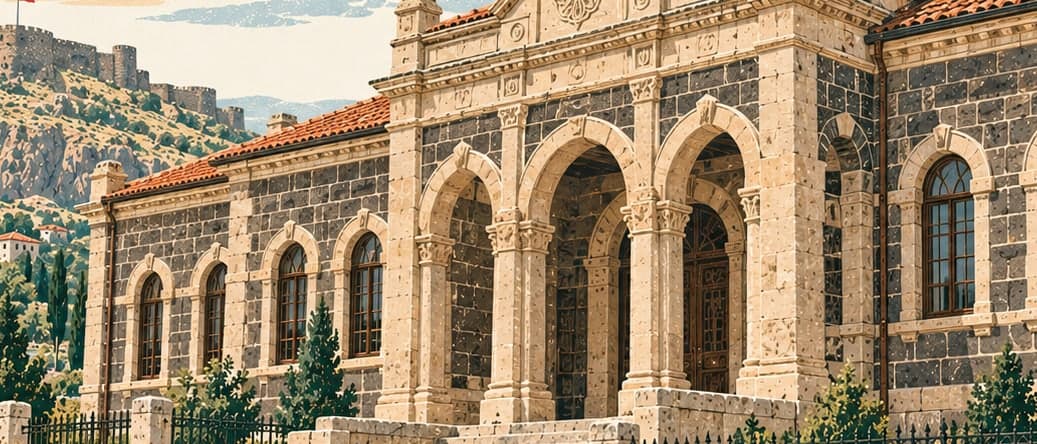
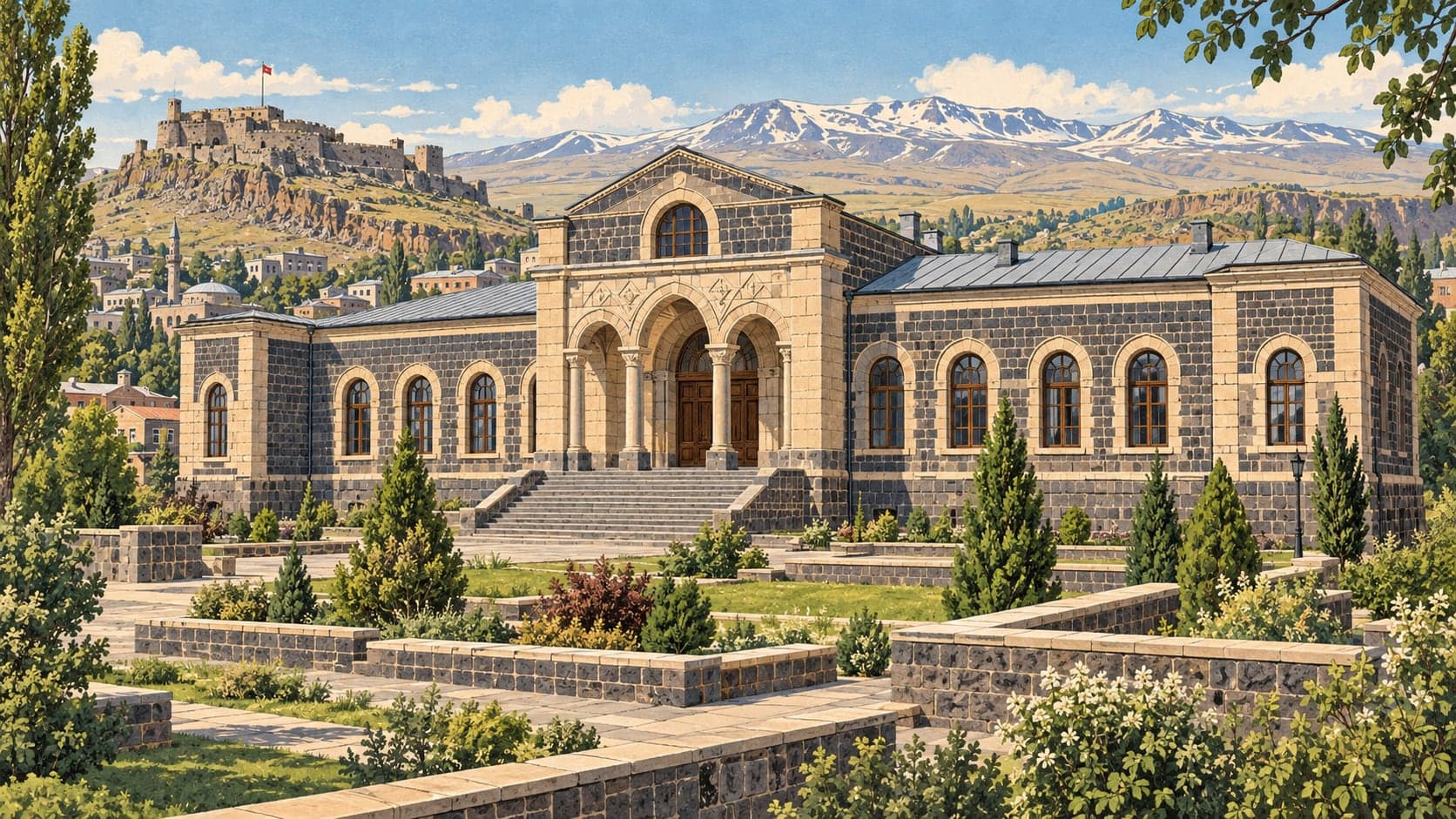
To meet that need a museum office was first set up in the provincial government house in 1959. As the objects collected from the region grew in number, the building known both as the Church of the Apostles and as the Kümbet mosque was turned into a museum and used for display from 1964 until 1978. A modern museum building was then put up in the İstasyon quarter in 1978 and opened to the public in 1981. It is today among the country's significant museums of archaeological, ethnographic and stone works.
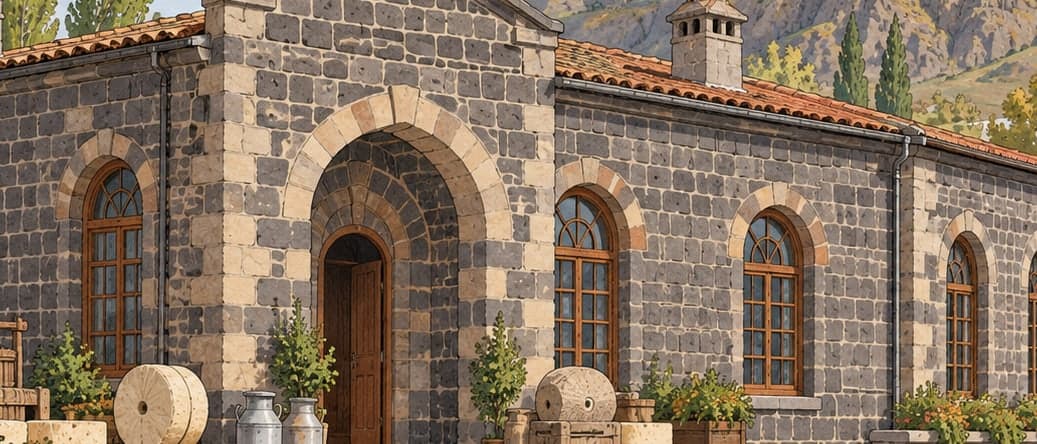
The archaeology hall runs from the Palaeolithic — stone hand axes, and a bone the museum labels as a dinosaur's — through Early Bronze Age material including metalwork, Urartian objects, coins, and finds of the Roman, Byzantine and Christian periods, to pithoi, the great jars used for storing grain, Seljuk works, stone works, porcelain and other valuable pieces, along with objects from the excavations and the churn once used in the region for making butter from milk.
The ethnography hall holds local wool-weaving tools, Ottoman kaftans, the costumes worn during the migration from the Caucasus, regional dress, silver Caucasian belts, hand-woven work, jewellery, copper kitchen vessels, samovars and candlesticks, and musical instruments. There is a children's museum and workshop section, and stone works stand in the museum garden.
The collection numbers 1,254 ethnographic objects, 2,014 archaeological objects and 4,152 coins.
A white railway carriage was given to Kâzım Karabekir Paşa, commander of the Fifteenth Corps and the liberator of Kars, by the Russian generals who came to the city for the Treaty of Kars of 13 October 1921. He used it as his private carriage between Kars and Erzurum in the years of his command. Thirteen metres long, it stood in the garden of the Kars museum and has since been moved to the garden of the Kanlı Tabya Caucasian Front Museum of War History.
The museum is open every day except Monday, from 8.30 to 12.30 and from 13.30 to 17.00.