Guide
The Burdur Archaeological Museum holds more than sixty thousand objects, which makes it one of the richer museums in the country. Most come from excavation: the mounds at Hacılar, Kuruçay and Höyücek, and the ancient cities of Boubon, Kibyra and Sagalassos. The rest were seized or bought.
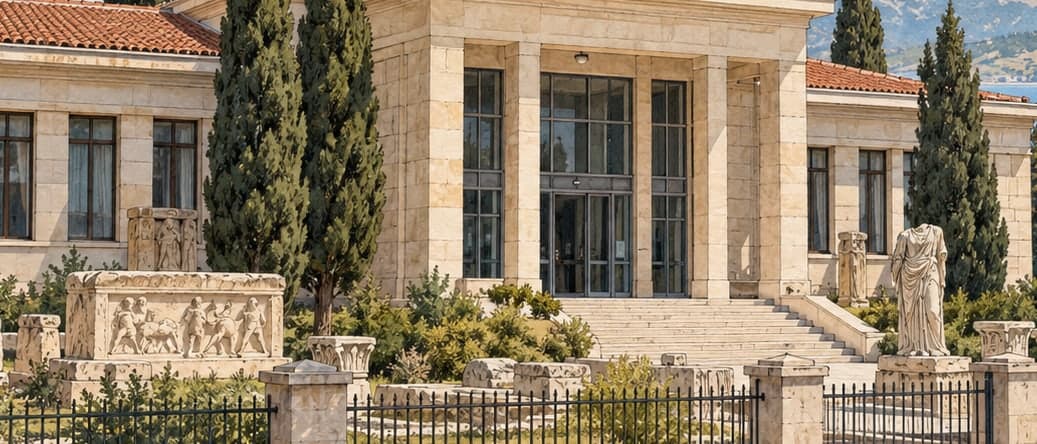
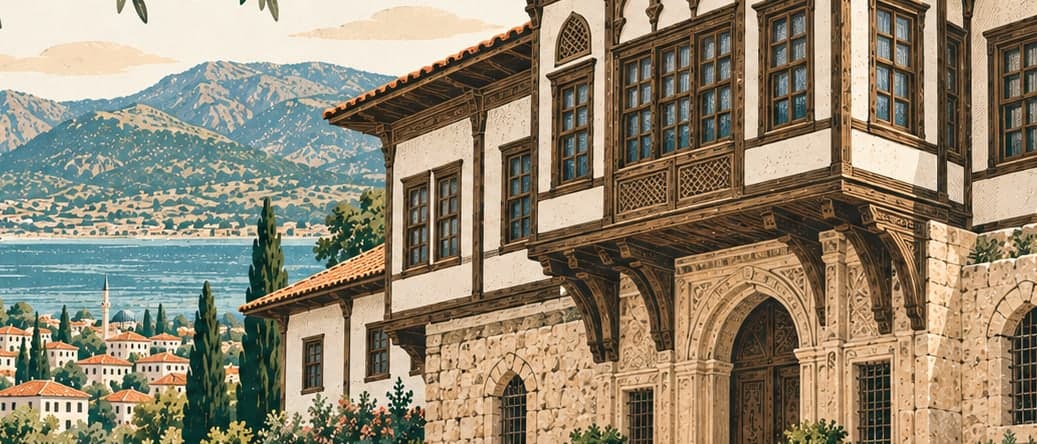
The museum was founded in 1956 and rearranged in 2001. The building takes its architecture from the Ottoman Pirkulzade Library, which is what remained of the medrese that once stood in the garden. It was given an award for museums worth visiting in 2008.
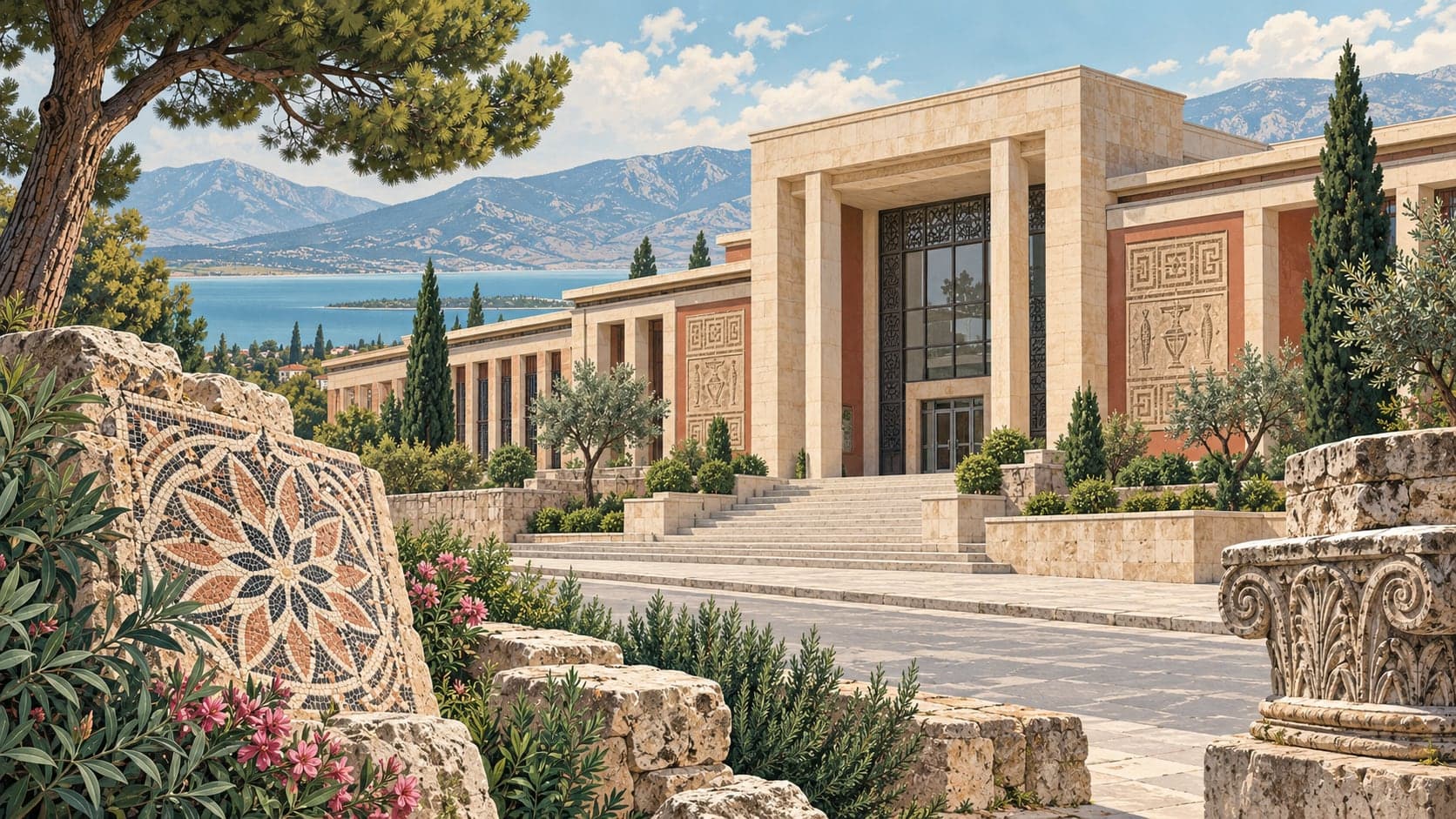
The ground floor is in three parts. The first holds the finds from Sagalassos, including colossal statues of Hadrian and Marcus Aurelius. The second has the hunting friezes from Kibyra. The third holds nine first-rate marble statues from Kremna. Upstairs the range is different and much older: Neolithic and Early Chalcolithic material, and objects of the Early Bronze Age.
Two pieces are worth singling out. The frieze of dancing girls was found in the middle of the north-western heroon at Sagalassos, carved at close to life size: thirteen girls in a line dance while another plays a zither, and the frieze is dated between 10 BC and AD 10. The sundial, found in front of the same heroon and dated to the second century AD, is a ring set at sixty degrees on a lion's-foot base; the name of the man who commissioned it is cut along the edge of the ring, though the pointer inside is missing.
From the fountains of Sagalassos the museum has the marble Satyr thought to have stood in the right-hand niche of the upper storey of the Hadrianic fountain, and a four-and-a-half-tonne statue matching the cult figure of Apollo Klarios from the central niche below. The Dionysos and Satyr groups from the Antonine fountain, which stood in the large aediculae on either side of the monument, are dated to the second century AD and are the most distinctive sculpture the fountain produced.